It is a little after 11 p.m. on a Wednesday, and the featured band has just finished its last set. Most of the dinner crowd has gone home. But nobody is stacking chairs yet. A young trumpet player is unpacking near the bar, a bassist is tuning in the corner, and a sign-up sheet on a clipboard is quietly making its way around the room. At jam sessions, musicians take turns sitting in with a house band, and for the next three hours, this club becomes something between a classroom, a laboratory and a party.
We spent several late nights at jam sessions in clubs across the city to understand how they work, why musicians love them and why you should go to one, whether you play or not.
How a jam works
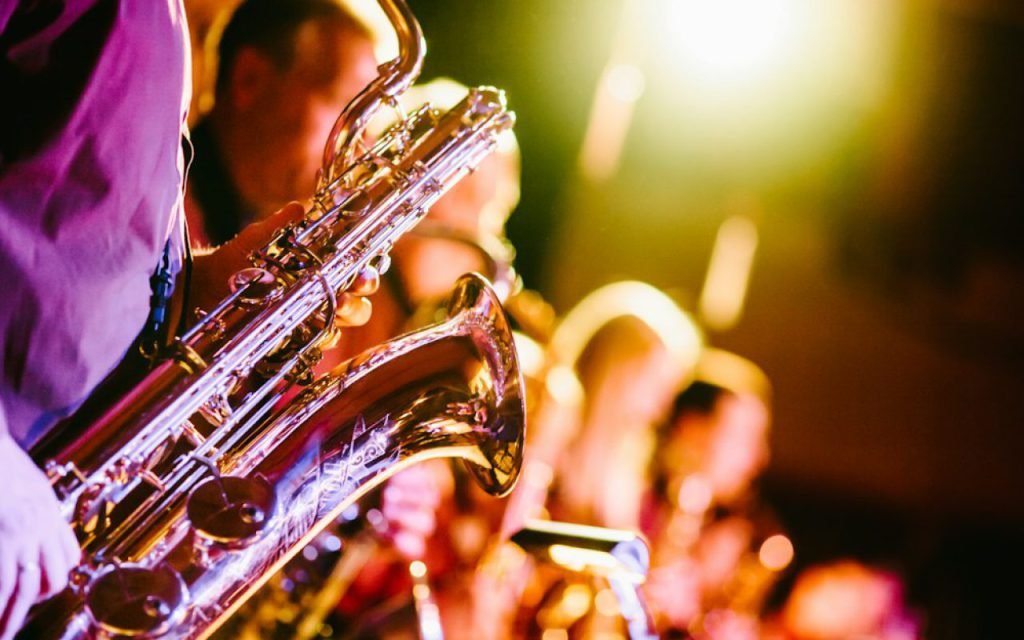
Every jam session has a house band, usually a rhythm section of piano, bass and drums, sometimes with a horn player who acts as host. The house band plays the first set to warm up the room. Then the host starts calling musicians up from the sign-up sheet, two or three at a time, to join the band for a tune or two.


The songs usually come from a shared repertoire of jazz standards that most serious players know by heart. Someone calls a tune, counts off the tempo, and the group plays the melody together. Then each musician takes a solo, and the band returns to the melody to end it. The whole thing might take eight minutes. Then a new group steps up, and it starts again.
Nobody rehearses. Many of the musicians on stage together have never met. That is the magic and the risk of the jam. Every tune is a small experiment, played live with no safety net, in front of an audience that knows exactly what it is watching.
The etiquette
Know the tune, keep solos short and listen more than you play. Those three rules came up in every conversation we had. Jam sessions run on trust and respect, and the unwritten rules exist to make sure everyone gets a turn and the music stays good.
Here are the most common expectations, as explained to us by hosts and regulars:
- Put your name on the sign-up sheet and wait to be called. Do not walk on stage uninvited.
- Have a couple of tunes ready that you know well, including the melody and the chord changes.
- Tell the band the key and tempo clearly before counting off.
- Keep your solos reasonable. Two or three choruses is usually plenty.
- Support other soloists. Lay out or play softly when it is not your turn.
- Thank the house band and step off promptly when your tune is done.
- Stay and listen to other players. It is a community, not a drop-in service.
Hosts are generally patient with newcomers who are respectful and prepared. What wears out a welcome is the opposite: endless solos, unfamiliar tunes called without warning and players who leave as soon as they are done.
For first-timers
If you are a musician thinking about your first jam, many hosts suggest coming once just to watch. Learn the vibe, notice which tunes get called and introduce yourself to the host. When you come back to play, pick a tune you could play in your sleep. Nerves are normal. Everyone in the room has been there.
After midnight
The best night of music I ever heard started at 1 a.m.
Andre Mills, saxophonist
Andre Mills has been attending jam sessions for more than two decades, first as a nervous college student and now as an occasional host. He says the late hours are where the real magic happens. “By one in the morning, the room is down to the people who really want to be there,” he told us. “Musicians from other gigs drop in. The pressure is off. That is when people try things they would never try at a regular show.”
We saw exactly what he meant. Around 12:45 on our second night, a pianist who had just finished a hotel gig across town sat down, nodded to a young drummer he had never met and launched into a ballad at an almost impossibly slow tempo. The drummer followed with brushes, barely touching the snare. The room went silent. Even the bartender stopped moving. When it ended, there was a beat of stillness before the applause, the kind of pause you only get when a room has collectively forgotten to breathe.
Why go
It is the best way to hear young players take risks. At a polished concert, musicians tend to play what they know works. At a jam, they try ideas they are still developing. Sometimes those ideas fall flat. Sometimes they turn into the most exciting music you will hear all year. Either way, you are watching musicians grow in real time.
Jam sessions are also where the music community connects. Players meet future bandmates, teachers spot promising students, and older musicians pass along knowledge that cannot be found in books. Several working musicians told us they landed their first paying gigs because someone heard them at a jam and asked for their number.
For listeners, jams are often the best value in live music. Cover charges are usually low, sometimes free, and you might hear a dozen different players in a single night. You also get a front-row view of how jazz really works, as a living conversation between people who may have met five minutes earlier.
Tips for listeners
- Check the club’s calendar. Many jams happen on weeknights when the room is otherwise quiet.
- Arrive after the first set if you want to see the most sitters-in.
- Applaud after solos, and cheer for nervous newcomers.
- Keep conversations quiet during ballads.
- Order something from the bar or kitchen. Jams help clubs fill slow nights.
- Stay late at least once. You will not regret it.
Beyond jazz
Jazz jams are the best known, but the tradition stretches across genres. Blues clubs host open jams where guitarists trade twelve-bar solos. Bluegrass and old-time musicians gather in circles at festivals and restaurants. Irish sessions fill pubs with fiddles, flutes and whistles. Funk and soul jams are popping up in more cities, often with a full horn section. The etiquette changes from scene to scene, but the spirit is the same: show up, listen, take your turn and make music with strangers.
If you are a beginner, many communities offer slower, friendlier jams designed specifically for newer players. Music schools and community centers sometimes host them, and they are a great stepping stone before diving into a late-night club session.
Key takeaway: A jam session is where music is still being figured out, live and unrehearsed. Show up late, listen closely and you may hear something unforgettable.
Last call
It was nearly 2:30 a.m. when the host finally called the last tune on our final night. Eleven musicians crowded onto a stage built for four, and they played a fast blues that seemed to go on forever. Everyone took a short solo. Everyone grinned. Then the lights came up, the bartender started stacking chairs, and the musicians packed their cases slowly, swapping phone numbers and plans for next week. Somewhere in that tired, happy room, the next great band was probably forming. Check our concert calendar for jam nights near you.