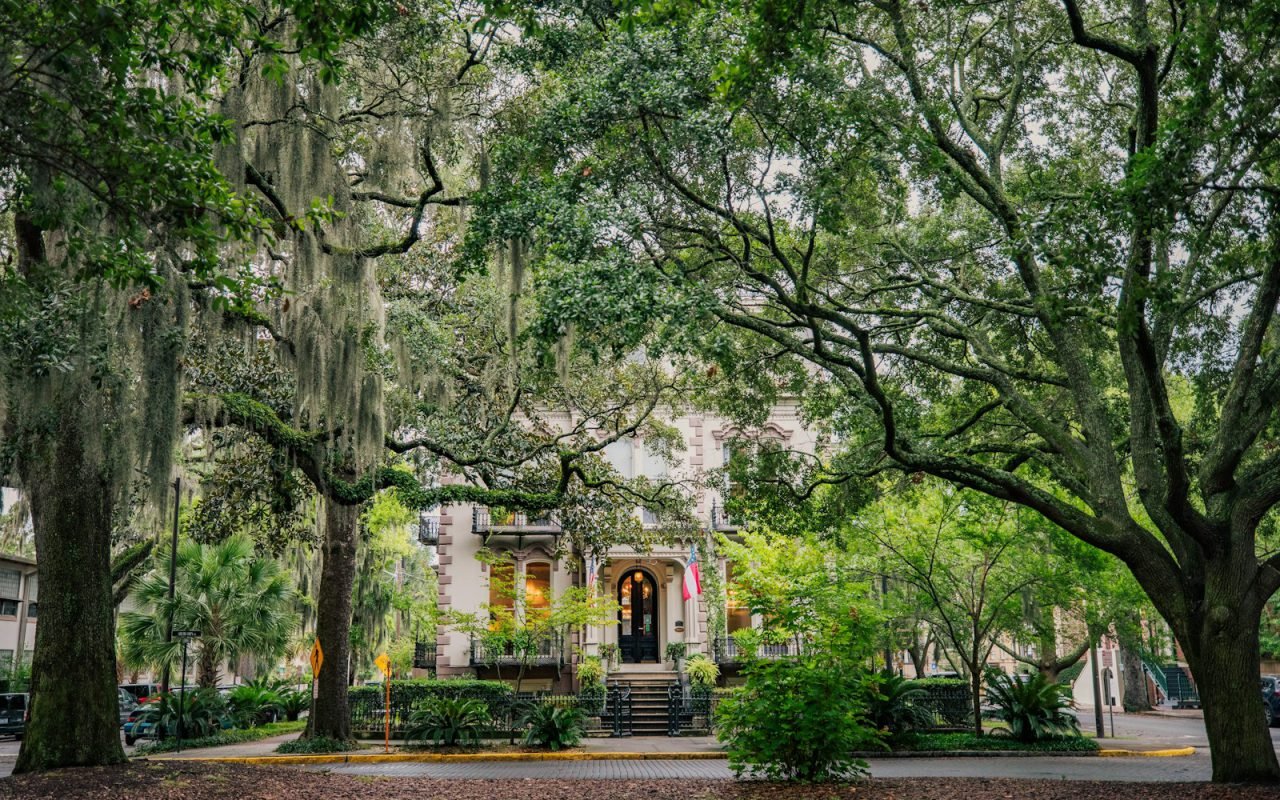

Savannah’s historic district was laid out around 24 squares, and 22 of them survive. Walking them under the Spanish moss is the best way to spend a spring morning, when the azaleas are blooming, the air is soft and warm, and the city has not yet slipped into the heavy heat of a Georgia summer. We spent three slow days here in April, walking nearly every block of the old town, eating far more than we planned and finishing with a lazy afternoon on the beach at Tybee Island. This is the guide we wish we had before we arrived.
Best time: March and April. Stay: three days. Budget: moderate.
Why spring is the season
Savannah is lovely almost any time of year, but spring is when it feels most like itself. Azaleas and dogwoods bloom across the squares in March, the live oaks are fresh and green, and afternoon temperatures usually sit in the comfortable seventies. By June the humidity arrives in earnest, and walking the squares at midday becomes a test of endurance rather than a pleasure.


Spring is also busy, so plan ahead. The weekend around St. Patrick’s Day is one of the biggest celebrations in the South, and rooms fill months in advance. If you want quieter streets, aim for a midweek stay in early April, after the spring break crowds and before the summer heat.
Bring bug spray in spring — the sand gnats are real.
Local guide Mae Holloway
Mae was right. The tiny biting gnats are most active around dawn and dusk, especially near the marshes and on Tybee. A small bottle of repellent in your day bag will save your ankles.
The squares
The genius of Savannah is its plan. When the city was founded in the 1730s, it was laid out as a grid of wards, each built around a small public square. The result is a downtown where you are never more than a block or two from shade, a bench and a fountain. Each square has its own fountain, monument and mood, and walking between them feels like moving through a series of outdoor living rooms.
Our walking route
Start at Chippewa Square and zigzag south to Forsyth Park. It is only about a mile and a half in a straight line, but the zigzag doubles it and takes a full, happy morning. Here is the loop we followed:
- Chippewa Square in the early morning, while the light is still low and the benches are empty.
- Madison Square, with its grand old homes and a bookshop on the corner that is perfect for browsing.
- Lafayette Square, framed by a tall cathedral and some of the most photographed oaks in town.
- Monterey Square, often called the prettiest of them all, and quiet even on busy weekends.
- Forsyth Park, where the big white fountain makes a natural finish line.
Walk slowly. Look up at the iron balconies and down at the old brick sidewalks, which can be uneven. Comfortable shoes are not optional here.

Forsyth Park
Forsyth Park is the green heart of the city, a 30-acre stretch of lawns, oaks and walking paths. On Saturday mornings a farmers market sets up on the south end, with local honey, fresh bread, peaches later in the season and plenty of coffee. Grab breakfast there and eat it on the grass. In the late afternoon the park fills with dog walkers, runners and families, and it is one of the best places in town to simply sit and watch Savannah go by.
Where to stay
Stay inside the historic district if you can. Everything worth seeing is within walking distance, and you will save yourself the hassle of parking, which is metered and patrolled with great enthusiasm. The old district is full of small inns set inside restored townhouses, many with tall windows, courtyard gardens and an evening glass of wine or sweet tea for guests. They cost more than the chain hotels out by the interstate, but the experience of stepping out your door straight onto a square is worth the difference.
If you prefer a vacation rental, look for a carriage house apartment. These small buildings once sat behind the main homes, facing the lanes, and many have been turned into charming, private places to stay. Read the listing carefully, since some are up steep and narrow staircases. Whatever you choose, book early for March and April, when the most popular inns fill up weeks or even months ahead.
Southern food
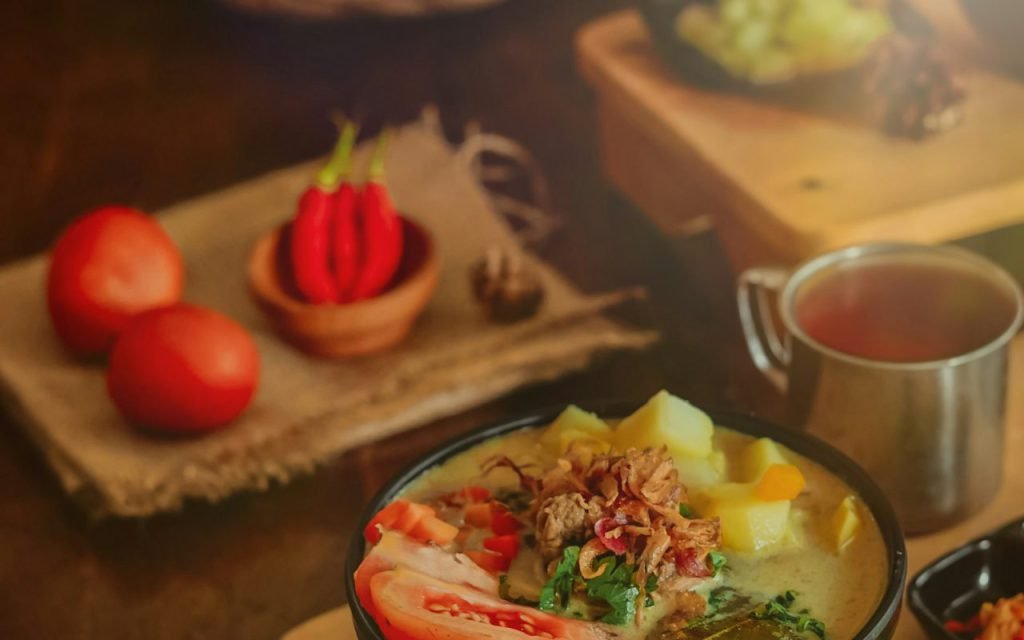
Family-style lunch at a boarding-house table is a Savannah tradition. Arrive early. At the most famous spots the line forms well before the doors open, and once you are seated you share a long table with strangers and pass bowls of fried chicken, collard greens, mac and cheese, black-eyed peas, cornbread and sweet potatoes until no one can eat another bite. It is part meal, part social hour, and entirely worth the wait.
Beyond the boarding houses, the city’s food scene is wonderfully varied. A few things we loved:
- Shrimp and grits, which seems to be on every menu and is different at every kitchen.
- Pralines from a candy shop near the riverfront, still warm if you time it right.
- Low-country boil with shrimp, corn, potatoes and sausage, best eaten outdoors.
- Peach cobbler, ideally with a scoop of vanilla ice cream on the side.
For dinner, book ahead on weekends. Many of the best restaurants are small, and walk-in tables go fast after 6 p.m.
After dark
Savannah is often called one of the most haunted cities in America, and the ghost tours lean into that reputation with enthusiasm. Most tours meet in one of the squares after sunset and walk for about 90 minutes, mixing local history with spooky stories about old houses, cemeteries and long-gone residents. Even if you do not believe a word of it, the tours are a great way to learn the city and see the squares lit only by gas lamps.
If ghosts are not your thing, take an evening stroll along River Street instead. The old cotton warehouses now house shops and restaurants, and the big cargo ships gliding up the river at night are a surprising sight.
Tybee Island
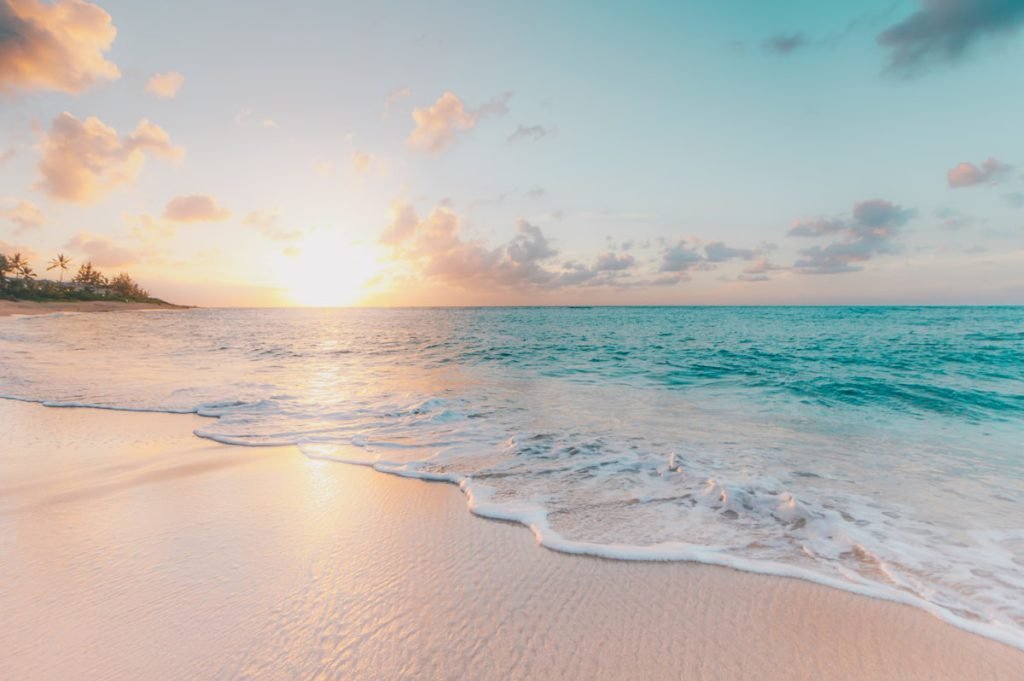
Twenty minutes away: a lighthouse, a long beach and fried shrimp with your feet in the sand. Tybee is Savannah’s beach town, and it has the easygoing charm of a place that never quite got around to building high-rises. Plan a full day here.
Start with the Tybee Island lighthouse, the oldest and tallest in Georgia. Climb the 178 steps for a sweeping view of the beach, the marshes and the shipping channel. Then find a spot on the sand on the quieter north end, rent a bike to explore the side streets, and finish with a casual seafood dinner at one of the shacks near the pier.
Key takeaway: leave the car parked downtown for your city days and use it only for Tybee. The historic district is best on foot, and parking is far easier once you stop moving it.
Don’t miss
Three days is enough to fall for Savannah, but it will not feel like enough to leave. If you only have time for the essentials, make sure you see the Forsyth Park fountain, sit down for a family-style lunch, take a ghost tour after dark and climb the Tybee Island lighthouse. Between those, wander the squares with no plan at all. The best part of this city is the time you spend between the famous places, under the moss, on a bench, with nowhere in particular to be.