Last January I made one change: no headlines before noon. I expected to feel uninformed. I mostly felt rested. It is now October, and I have kept the rule for nine months with only a handful of exceptions. I want to write about what happened, not because I think everyone should do the same thing, but because the change was so much bigger than I expected from something so small.
The news still found me by lunch. My mornings, for once, were mine. That turned out to be the whole story, and also the beginning of a much longer one about attention, sentences and what happens to a mind when you stop filling it the moment you wake up.
Why I tried it
For years my mornings went the same way. The alarm went off, I reached for my phone to turn it off, and before my feet touched the floor I had read six headlines, two of them alarming, one of them infuriating, and three of them about things I could do absolutely nothing about. By the time I sat down to write, my head was full of other people’s emergencies.


I would try to work and find myself drafting arguments with strangers in my head. My sentences got shorter and angrier. I would look up at eleven and realize I had written one paragraph and read thirty articles. I am a writer. My mornings are where my real work happens. And I was giving them away for free.
I didn’t want to stop following the news entirely. I care about what happens in the world, and I think staying informed is part of being a good neighbor and citizen. I just wanted to change the order. Me first, then the world.
The first two weeks
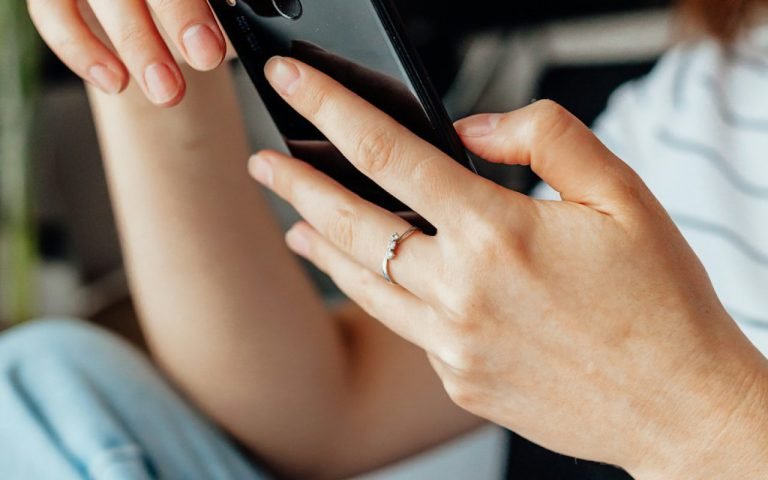
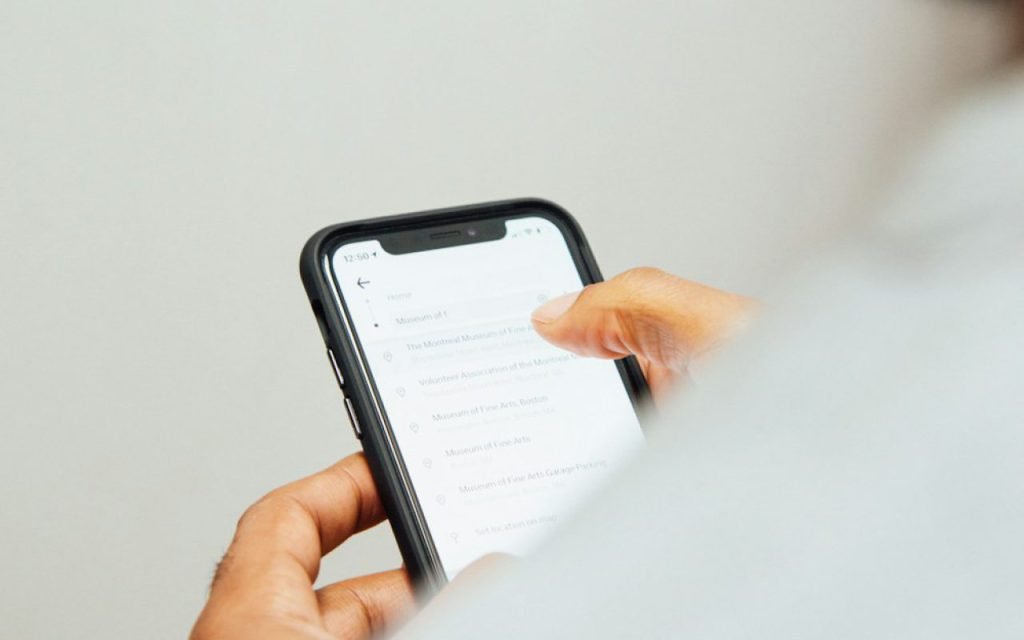
I reached for my phone forty times a day out of habit. I kept count on a sticky note. That number still surprises me. Forty times, before noon, I picked up the phone without deciding to, thumb already moving toward the news app before my brain caught up. Each time I put it down and added a tally mark to the yellow square stuck to my desk.
Those first two weeks were genuinely uncomfortable. I felt jittery and a little anxious, as if something terrible might be happening and I was the only one who didn’t know. I checked the weather app three times a day just to feel like I was looking at something. I got very interested in the birds outside my window.
A few things that helped
- I moved the news apps off my home screen and into a folder on the last page.
- I bought a cheap alarm clock so my phone could sleep in the kitchen.
- I put a paperback on my nightstand, so my hand had something else to reach for.
- I told two friends what I was doing, which made it embarrassing to quit.
By the third week the tally marks had dropped to about a dozen. By the end of February, I was down to two or three. The reaching never fully disappeared, but it became something I noticed instead of something that happened to me.
What came back
Long thoughts. The kind that take a whole walk to finish.
I don’t know how else to describe it. For years my thinking had been chopped into short pieces, each one interrupted by something new. Now, in the quiet hours, my thoughts started stretching out again. I would begin wondering about something on the way to the coffee shop and still be following the same thread an hour later. I had forgotten that my mind could do that.
I started finishing books again, too. For a few years I had been abandoning almost everything I picked up around page sixty, and I had blamed the books. It was not the books. It was the fact that my attention had been trained to expect a new jolt every few minutes, and a novel simply does not work that way. Once the mornings went quiet, the novels came back. I read more this year than in the previous two combined. I also noticed that I was more patient with people. I listened longer before I answered. I was less likely to assume the worst about a stranger in line at the pharmacy. I cannot prove the headlines had anything to do with it, but the timing is hard to ignore.
A quiet morning is not a luxury. It is where the work starts.
Nora
My sentences came back too. They got longer and calmer. I noticed it first in my morning pages and then in my essays. The angry, clipped rhythm that had crept into my writing slowly loosened. I started using semicolons again. I know that sounds like a small thing. For a writer, it is not.
What I gave up, and what I didn’t
I want to be honest about the costs, because there were some. A few times, friends texted me about something big that had happened, and I was the last to know. Once, I missed a local alert about a road closure and sat in traffic for twenty minutes. I have come to accept those small costs. They are far smaller than what I was paying before.
I made a few exceptions to the rule from the start:
- Weather and local emergency alerts stay on. Safety comes first, always.
- If a family member calls, I answer, whatever the hour.
- On election days and during major storms, I suspend the rule entirely.
What I did not give up was being informed. At noon I sit down with lunch and read the news properly, from a few sources I trust, for about half an hour. Then I close it. I actually think I am better informed now than I was before, because I read with attention instead of scrolling in a fog. I remember what I read. I can follow a story over several days. I have opinions that took more than thirty seconds to form.
Key takeaway: you do not have to choose between being informed and protecting your mornings. You just have to choose the order.
What a morning looks like now
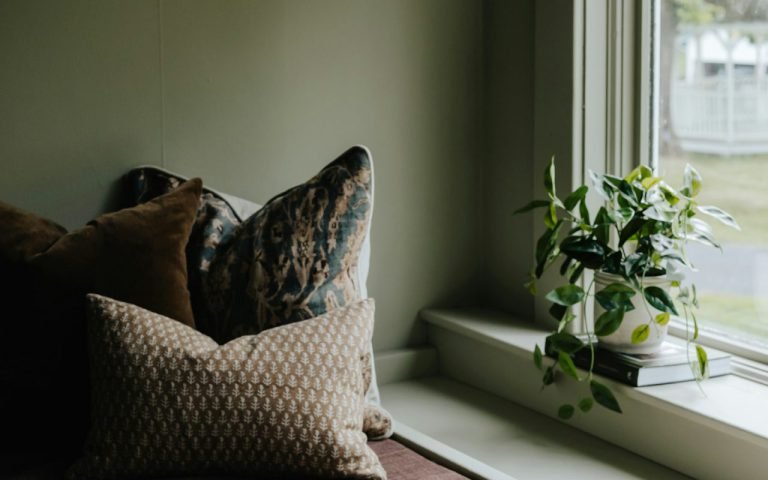
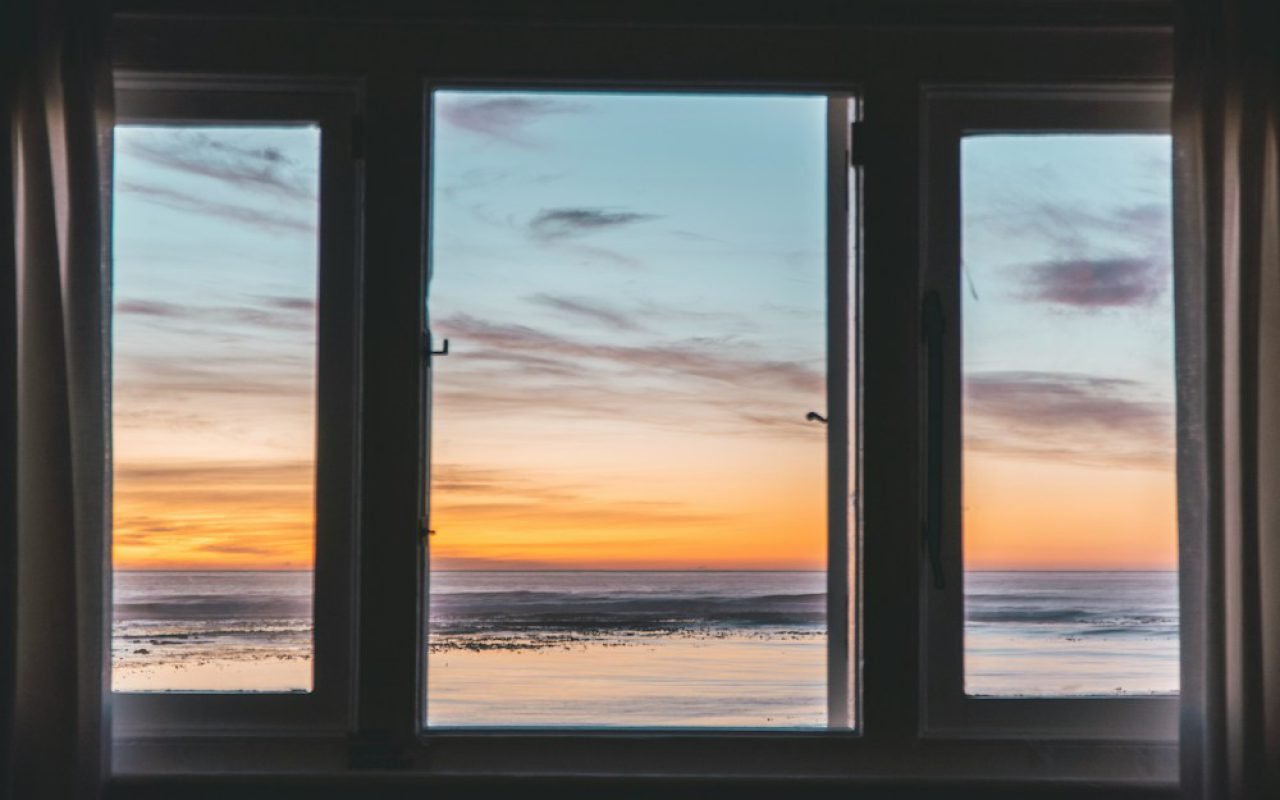
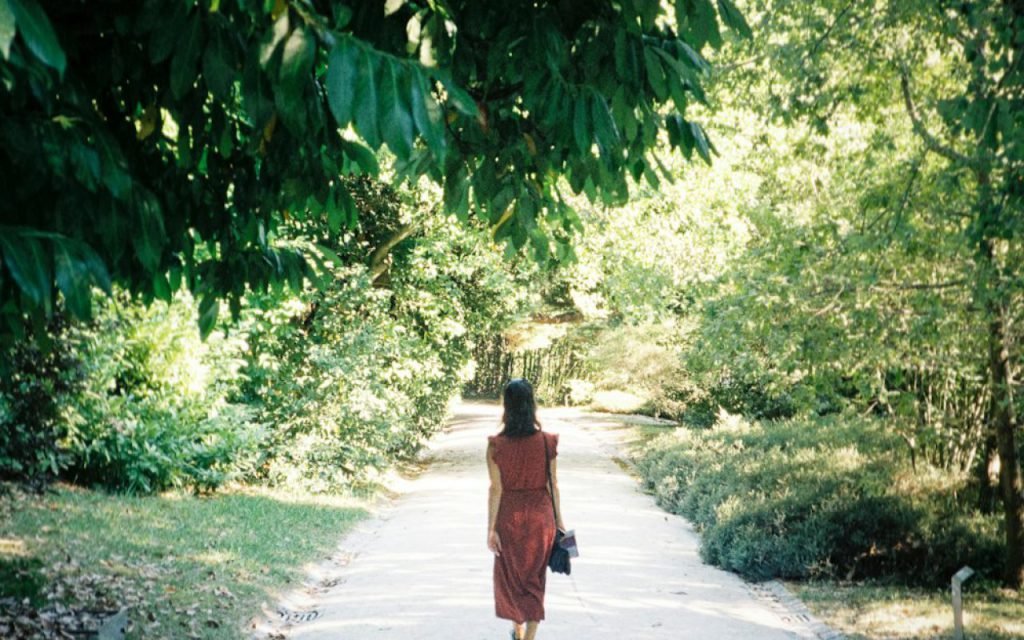
Here is a typical morning, nine months in. I wake up to a small brass alarm clock. I make coffee and write my three morning pages in the gray chair by the window. I read a few pages of whatever book is on the nightstand. I take a walk, usually the same loop around the park, and think about whatever I am writing. Then I work until noon.
None of it is remarkable. That is exactly what I love about it. It is a morning with nothing in it but my own life, and it turns out my own life is plenty interesting when I give it room.

If you want to try it
Start with a week. Pick an hour that feels realistic, maybe nine or ten, not noon. Keep your safety alerts on. Put your phone somewhere slightly inconvenient. Keep a sticky note and count the reaches, if you are curious; it is a humbling and useful number. And give it a real chance, at least two or three weeks, because the first days are the hardest.
The world will still be there at lunch, with all its noise and trouble and occasional good news. You will meet it rested, and you will meet it as yourself. That, more than anything, is what I gained this year.