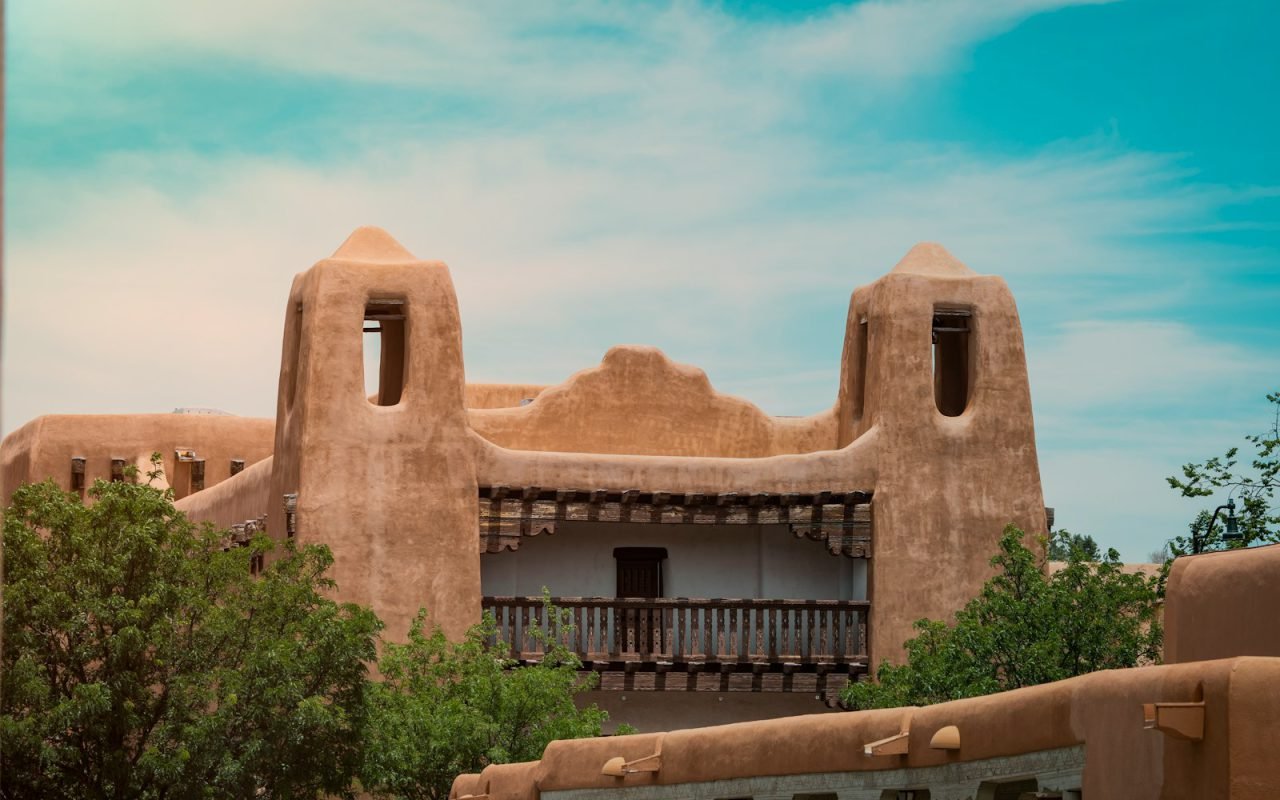

Santa Fe sits at 7,000 feet, has more than 250 galleries and smells like piñon smoke in the fall. Plan slow days and early nights. This is a city built for wandering: low adobe buildings the color of the desert, blue doors, strings of dried red chile hanging from porches and a light so clear and golden that artists have been moving here for more than a century just to paint in it. Three days is enough to see the highlights, eat very well and leave with a list of everything you want to come back for. Here is how we spent ours.
Best time Sept–Oct · Stay 3 days · Budget $$
Getting settled
September and October are the best months to visit. The days are sunny and mild, the nights are crisp, the aspens in the nearby mountains turn gold and chile roasters fill the air with smoke outside markets and grocery stores. Summer is warm and busy, often with afternoon thunderstorms, and winter can bring snow, which looks magical on the adobe rooftops.


Stay near the historic Plaza if you can. It puts you within walking distance of most museums, restaurants and shops, and lets you leave the car parked for most of the trip. Many of the older hotels and inns are built in the traditional adobe style, with kiva fireplaces, wooden ceiling beams and small courtyards.
Drink lots of water the first day. The altitude sneaks up on visitors.
Local guide Rosa Delgado
Rosa Delgado, who has led walking tours of the city for years, says nearly every visitor underestimates the elevation. “People arrive, go straight to a big dinner with margaritas and wake up with a headache. Take the first day easy. Walk, drink water, eat lightly and save the hiking for day two.” Wear sunscreen and sunglasses too. The sun is strong at this height, even on cool days.
Canyon Road
A half-mile of adobe galleries, sculpture gardens and studios. Go on a Friday evening when many galleries stay open late. Canyon Road is the heart of Santa Fe’s art scene, a narrow, winding street that climbs gently uphill from near downtown. Once a path used by farmers and traders, it is now lined with galleries in old adobe homes, many with gardens full of sculptures you can walk through.
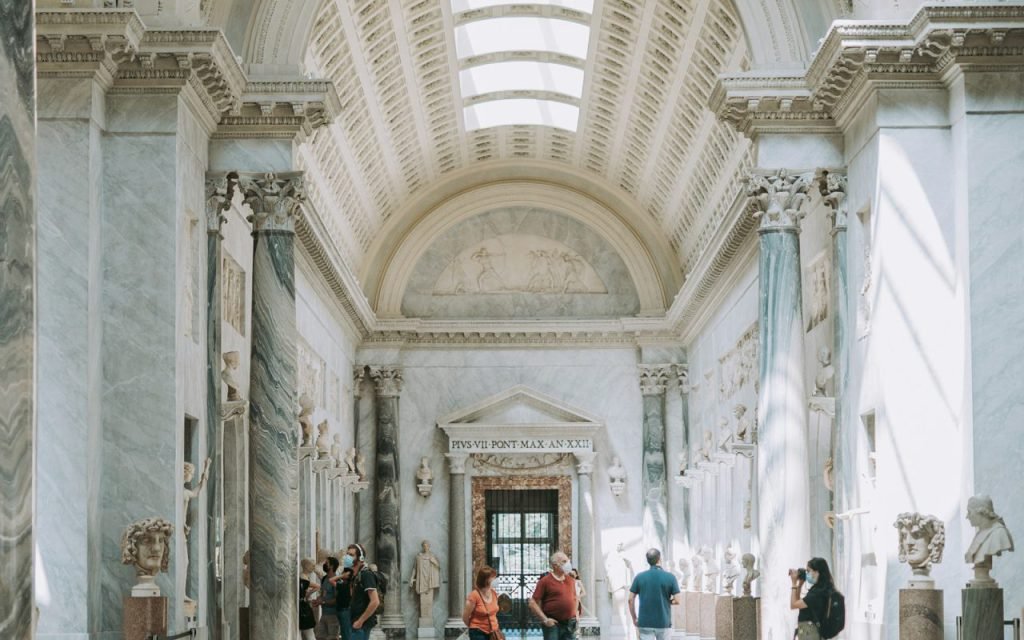
The variety is impressive. You will find traditional Southwestern landscapes, Native American pottery and jewelry, contemporary paintings, glass art, photography and large outdoor sculptures. Prices range from affordable prints to museum-quality pieces, and the gallery staff are generally happy to talk about the artists even if you are only browsing.
Tips for Canyon Road
- Start at the bottom and walk uphill slowly, stopping wherever something catches your eye.
- Wear comfortable shoes. Some sidewalks are narrow and uneven.
- Visit on a Friday evening, when many galleries host openings with refreshments.
- Take a break at one of the cafés partway up the street.
- Ask before taking photos inside galleries.
Plan at least a half-day here, more if you love art. It is easy to lose track of time.
Museum Hill
The Museum of International Folk Art is worth a whole morning. Museum Hill sits a couple of miles from the Plaza and is home to several excellent museums clustered around a central plaza, so you can easily visit two or three in one day. The folk art museum holds one of the largest collections of its kind in the world, with toys, textiles, masks, figures and miniature villages from more than one hundred countries.
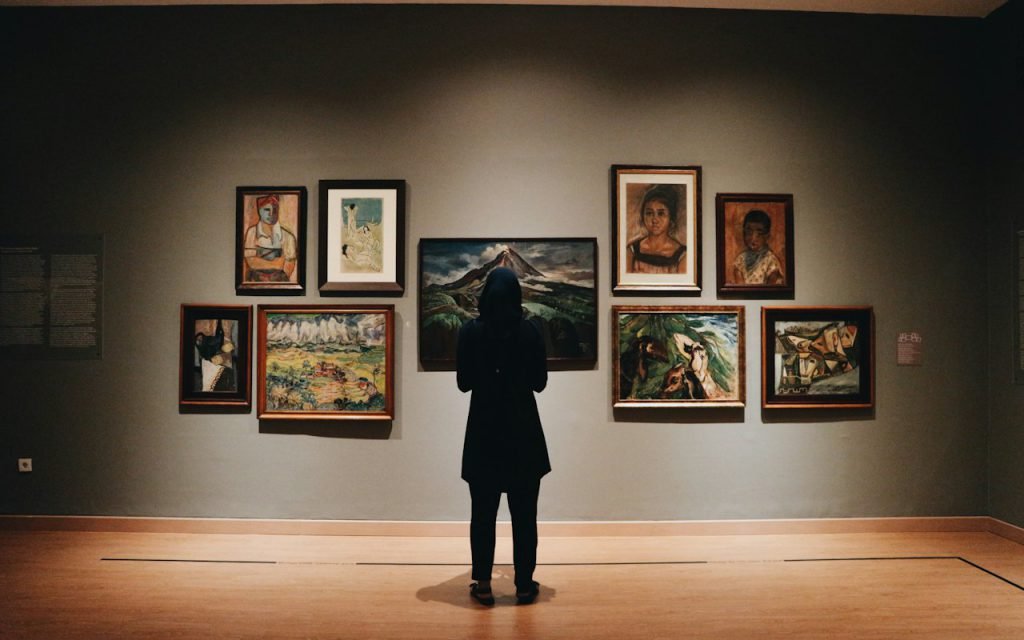
The highlight for many visitors is a huge gallery filled with tiny, detailed scenes: markets, festivals, villages and processions crafted by artists around the globe. Kids love it, and so do adults. Nearby museums cover Native American art and culture and Spanish colonial art, each offering a different window into the layered history of the region.
There is a café on Museum Hill for lunch, and a botanical garden nearby if you want a quiet walk among native plants afterward. Plan your visit for the morning, then head back toward downtown in the afternoon to rest before dinner.
What to eat
Order everything “Christmas,” with red and green chile, at least once. In New Mexico, chile is not just a condiment. It is the official state question: “Red or green?” Red chile is made from ripe, dried pods and tends to be earthy and rich. Green chile comes from freshly roasted pods and is bright, smoky and sometimes very hot. If you cannot decide, say “Christmas” and get both.
Here is what to try during your visit:
- Breakfast burrito: eggs, potatoes, cheese and bacon or sausage, smothered in chile.
- Enchiladas: often stacked flat rather than rolled, sometimes with a fried egg on top.
- Posole: a hearty hominy stew, perfect on a cool evening.
- Sopapillas: puffy fried bread served with honey at the end of the meal.
- Green chile cheeseburger: a New Mexico classic, with roasted green chile melted under the cheese.
- Biscochitos: the state cookie, flavored with anise and cinnamon.
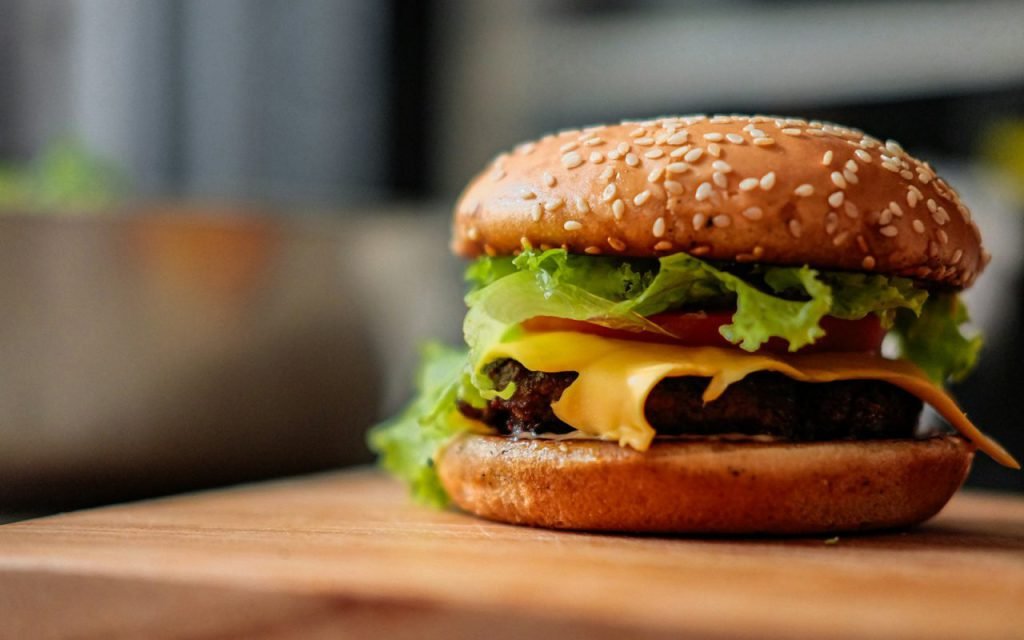
Ask locals for their favorite green chile cheeseburger and you will get a dozen passionate answers. Every diner, café and roadside stand seems to have its loyal fans. Try one in town and, if you take a drive into the surrounding hills, another at a small-town spot along the way.
A morning beyond town
If you have a car, spend part of a morning outside the city. The High Road to Taos winds north through old Spanish villages, small adobe churches and orchards, with the mountains rising on one side and wide desert views on the other. You do not need to drive the whole route. Even an hour or two out and back shows you a slower, older side of northern New Mexico, with roadside weaving studios, wood-carving shops and family farms selling apples and ristras in the fall.
Closer to town, the foothill trails in the Sangre de Cristo Mountains offer short hikes through piñon and juniper, with views back over the city. Save these for your second or third day, once your body has adjusted to the altitude, and bring more water than you think you need. In early October, the aspen groves higher up the ski basin road turn brilliant yellow and draw crowds of leaf peepers on weekends, so go on a weekday morning if you can.
Don’t miss
- Canyon Road on a Friday night
- The Museum of International Folk Art
- Sunset from the Cross of the Martyrs
- A green chile cheeseburger
The Cross of the Martyrs sits on a small hill just north of downtown, reached by a short, paved path with historical markers along the way. At sunset, the whole city turns gold and pink, and the Sangre de Cristo Mountains glow in the distance. It is one of the easiest and most rewarding walks in town.
Key takeaway: Take the altitude seriously, walk everywhere you can, spend real time on Canyon Road and Museum Hill and say “Christmas” at every meal.
Santa Fe is a city that asks you to slow down. Galleries invite lingering, museums reward curiosity, and meals stretch long into the evening under strings of lights. Three days here leaves you rested, well fed and inspired. And when you get home and catch the faint smell of a wood fire on a cool night, you will probably find yourself thinking about adobe walls and a plate of chile.