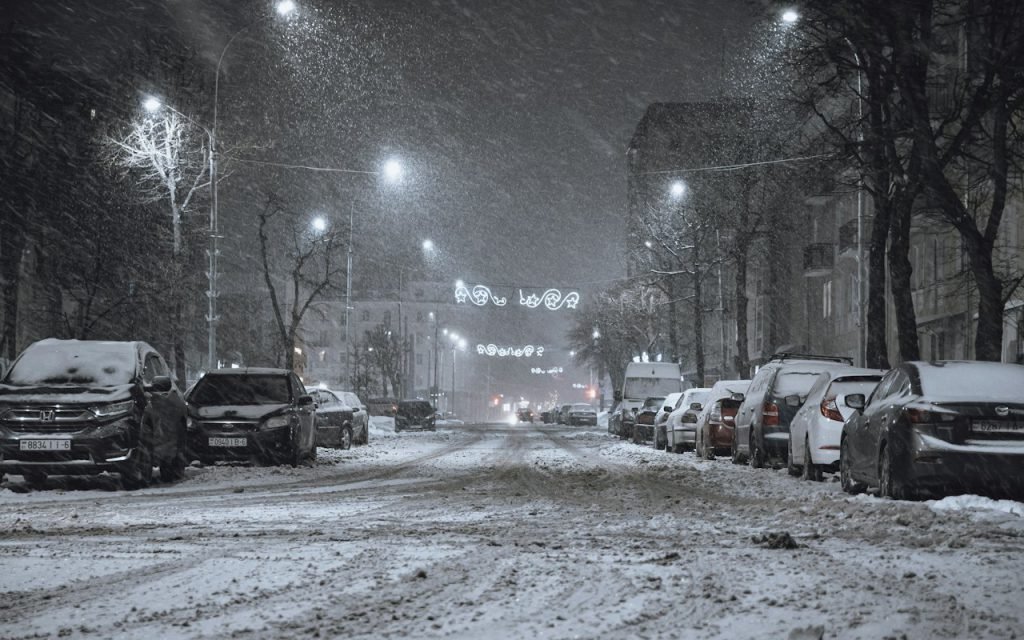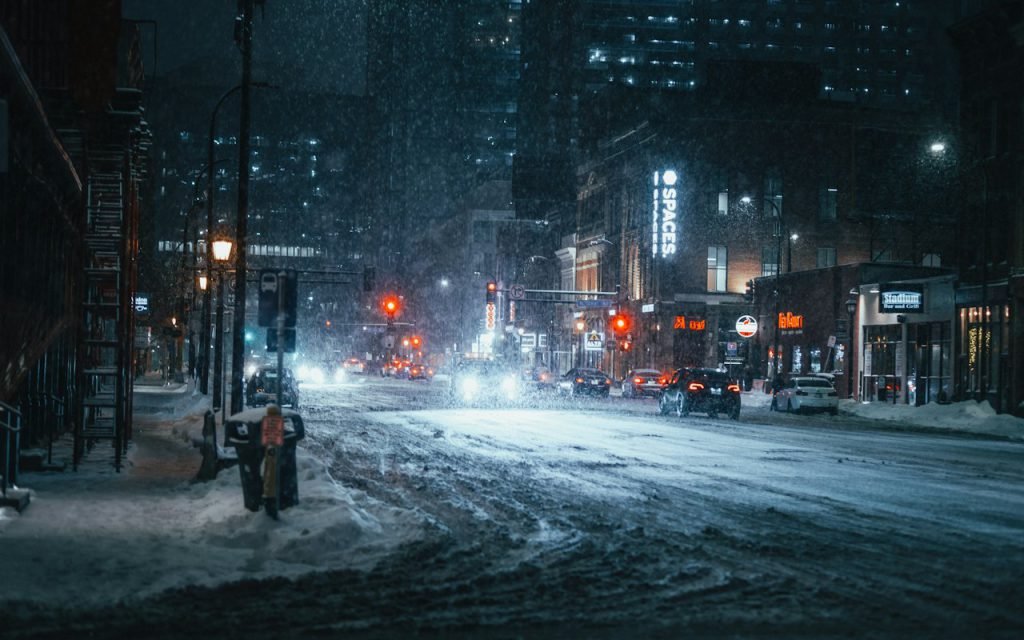
KANSAS CITY, Mo. — Grid operators across the central United States asked millions of residents to turn down thermostats and delay running appliances Monday night as an arctic storm sent temperatures plunging to 20 below zero in parts of the Plains, pushing electricity demand toward winter records.
About 2 million customers in eight states were under conservation alerts by evening, according to the Central Plains Grid Authority, which manages the high-voltage network across much of the region. Rolling outages were avoided, officials said, though about 140,000 customers lost power because of ice-damaged lines and downed trees.
“We are tight, but we are holding,” said Patricia Lindgren, the authority’s chief operating officer, at a late-afternoon briefing. “Every degree on a thermostat matters tonight. Small changes in millions of homes add up to a power plant’s worth of electricity.”


Lessons from past storms
Since a series of severe winter storms in recent years exposed weaknesses in the nation’s power systems, many utilities and plant operators have invested in winterizing equipment. Natural gas wellheads, pipelines and power plants have added insulation, heat tracing and backup fuel supplies to keep running in extreme cold.
- Customers under conservation alerts: about 2 million
- Outages from storm damage: about 140,000 at peak
- Lowest temperature reported: minus 23 degrees in northern Minnesota
- Reserve power plants called into service: 17
The authority said 17 reserve plants were brought online and that power imports from neighboring regions helped balance supply. Battery storage systems, which have expanded quickly in the region, discharged during the evening peak, when demand for heating was highest.
A debate over reliability
The storm renewed a long-running debate about how to keep the grid reliable as the power mix changes. Some industry groups argue that the region needs to keep more natural gas and coal plants available for extreme weather, while clean energy advocates say batteries, demand response programs and stronger transmission links can fill the gap at lower cost.
Cold weather isn’t a surprise anymore. The question is whether we pay to prepare before the storm or pay much more after the lights go out.
Jerome Whitfield, executive director of the Midcontinent Energy Consumers Coalition
Daniel Arroyo, a grid analyst at the Great Plains Energy Institute in Lincoln, Neb., said the night’s performance showed improvement over earlier storms but also how thin margins can be. “We avoided the worst, partly because of investments and partly because the wind kept blowing,” he said. “Both of those deserve credit, and neither should be taken for granted.”
Emergency managers opened about 300 warming centers across the region, many in schools, churches and libraries. In Omaha and Des Moines, outreach teams drove through neighborhoods checking on people without shelter and handing out blankets.
The National Weather Service warned that wind chills could reach 40 below zero in some areas, levels at which frostbite can occur on exposed skin within minutes. Many schools across Kansas, Nebraska and Iowa canceled classes for Tuesday. State public utility commissions said they would review storm performance once conditions improve. Several lawmakers called for hearings on whether utilities had met winterization requirements adopted after past storms.
Temperatures are expected to begin moderating by Thursday. Until then, officials urged residents to avoid using ovens or outdoor grills for indoor heat, to check on elderly neighbors and to keep pipes from freezing by letting faucets drip. In a Kansas City suburb, Linda Morales bundled her two children into coats before heading to a warming center after her power went out. “It’s cold in the house, but we’re OK,” she said. “Someone left a light on for us here, and that’s enough for tonight.”