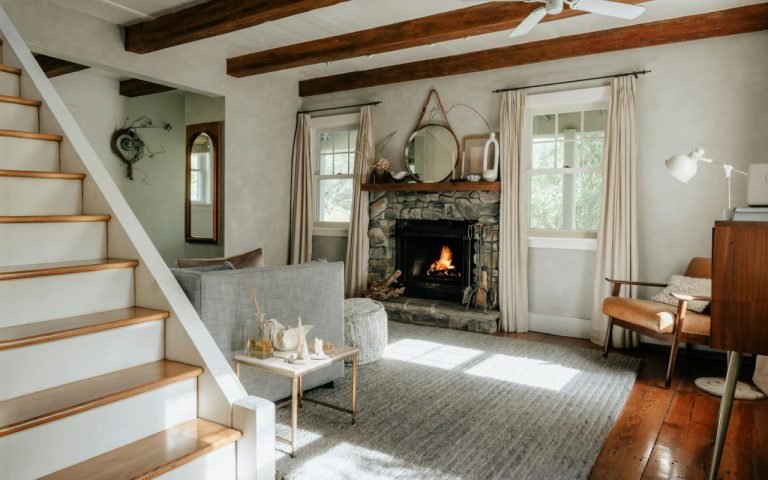
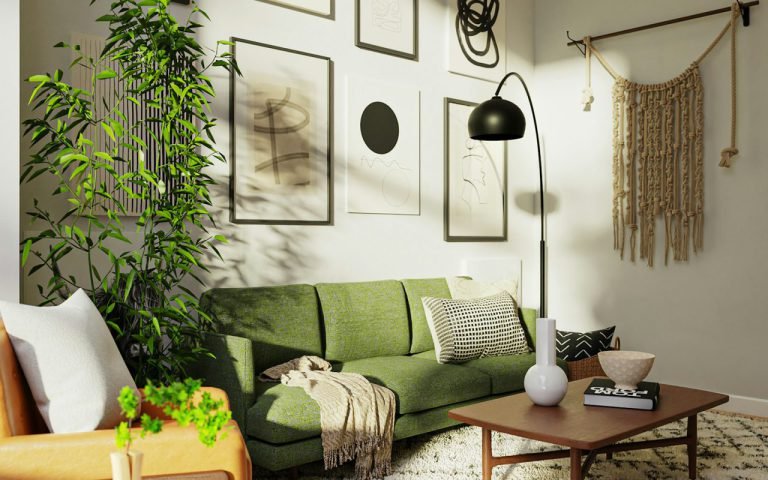
We schedule our workouts, our meals and our children’s weekends. Almost nobody schedules nothing. That might be the most important appointment of the week. Look at a typical calendar and you will find it packed edge to edge: meetings, errands, soccer practice, dinner with friends, a dentist appointment squeezed in at lunch. Even our free time has become productive, filled with podcasts at double speed, online courses, home projects and fitness goals tracked on a watch. Somewhere along the way, simply doing nothing started to feel like a waste.
It is not. Unscheduled time, hours with no agenda and no goal, gives the mind room to wander, recover and make unexpected connections. Many people say their best ideas arrive in the shower, on a walk or while staring out of a window, rarely while sitting in front of a screen. To explore the art of doing nothing, we spent a slow afternoon with Martha Quinn, who owns a small tea shop in Portland, Maine, and who has made a weekly practice of protecting a few empty hours for more than a decade.
Why idle time matters
Martha started her Sunday afternoon habit after a particularly exhausting year running her shop, which she describes as a long blur of early mornings, late inventory nights and weekends spent catching up on paperwork. She was not sick, exactly, but she felt worn thin. A friend suggested she try setting aside one afternoon a week for nothing at all. Martha laughed at first. Then she tried it, and she never stopped.


What she discovered is something many people find when they finally slow down. In the first hour, the mind races through to-do lists and worries. In the second, it begins to settle. By the third, something shifts: a sense of ease, a feeling of having room to breathe. Martha says she often leaves her Sunday afternoons with a clearer head, a better mood and, occasionally, a solution to a problem she was not even trying to solve.
Rest is not laziness. It is part of a healthy life, as much as exercise and good food. If you find that you cannot rest, or that you feel constantly exhausted or anxious no matter how much you slow down, it is worth talking to a doctor or a counselor.
Rest isn’t a reward for finishing everything. Nothing is ever finished.
Martha Quinn, tea shop owner
Block it out
Put three hours on Sunday afternoon in your calendar and call it something boring so nobody asks. If you leave rest to chance, it will almost never happen. Free time has a way of filling up with errands, invitations and chores. The only reliable way to protect it is to treat it like any other appointment: put it on the calendar, in ink, and guard it.
Martha labels hers simply as admin. Nobody asks to join admin, and nobody questions why she cannot meet for brunch. Others choose names like appointment, planning or personal. The point is to make it look ordinary, so that friends, coworkers and family members do not try to negotiate it away.
Three hours is a good starting point, long enough for the mind to truly settle. If that feels impossible, start with one hour and build up. Some people prefer a weekday evening or an early Saturday morning instead of Sunday. The day matters less than the habit.

Low effort, high comfort
Tea, a novel, a blanket, a window. If you fall asleep, that counts. The ideal empty afternoon asks almost nothing of you. It should not require planning, special equipment or effort. It should simply feel good.
Martha brews a full pot of loose-leaf tea, usually a gentle black tea in winter and a light green tea in summer, and settles into an armchair by her living room window with a novel and a soft wool blanket. She keeps the lights low and the house quiet. Sometimes she reads for three hours straight. Sometimes she reads a few pages and spends the rest of the afternoon watching the clouds and the neighbors’ cat. Sometimes she falls asleep. All of it counts.
Choosing the right book
A doing-nothing afternoon calls for a particular kind of reading. Skip work-related books, self-improvement titles and anything you feel you should read. Choose a novel you are genuinely looking forward to, a long, absorbing story, an old favorite or a gentle mystery. Martha keeps a small stack of books she is saving for Sunday afternoons, and she never reads them at any other time.
Let it be unproductive
No podcasts, no learning, no tidying. The point is to have no point. This is the hardest part for most people. The moment we sit down to rest, a little voice reminds us of the laundry, the unanswered emails or the language app we have not opened in a week. It feels wrong to spend time on nothing when there is so much to do.
Martha’s advice is to notice that voice and gently ignore it. The laundry will still be there at five o’clock. Leave your phone in another room, ideally switched to silent, so that notifications cannot pull you back into the busy world. Resist the urge to turn rest into self-improvement by adding a meditation app, an educational podcast or a list of goals. The goal is simply to be.
If you find it hard to sit still, start with something gently absorbing, such as a jigsaw puzzle, a slow walk without headphones, sketching or simply sitting outside. Over time, many people find that doing nothing becomes easier and more enjoyable.
The kit
You do not need to buy anything to rest well, but a few simple comforts make the ritual more inviting. Martha’s list is short:
- A book you’ve been saving
- A pot of tea
- A sofa or a bed with sunlight
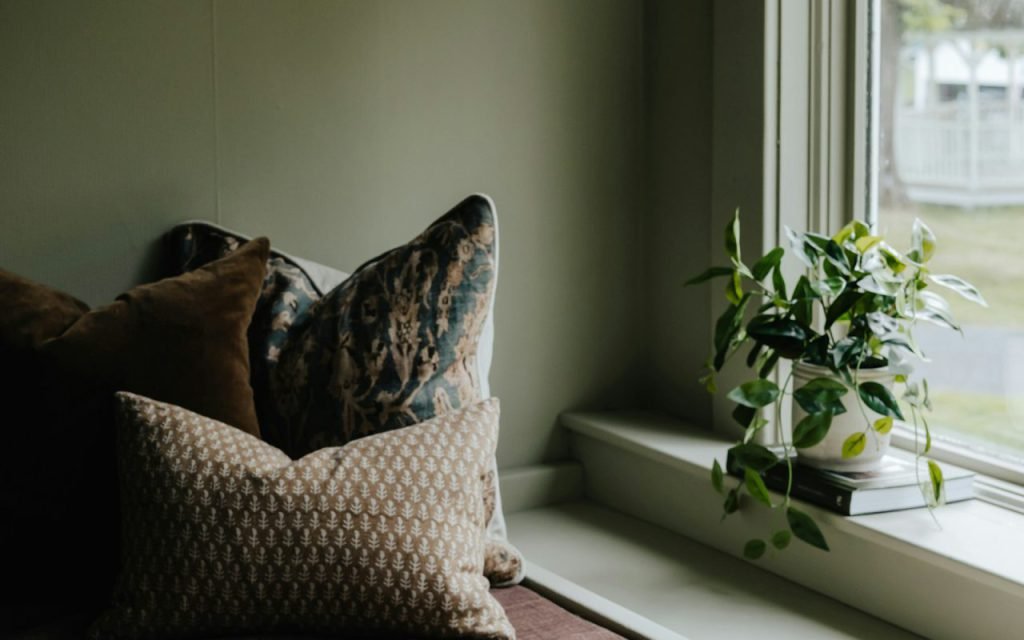
A full teapot, rather than a single cup, means you do not have to get up for a refill. A sofa or bed near a sunny window makes the afternoon feel bright and warm, even in winter. Add a soft blanket, a cushion for your back and perhaps a small plate of cookies, and you have everything you need. Some readers also mentioned a favorite mug, a pair of thick socks or quiet music playing in another room.

Martha also recommends paying attention to the space itself. A tidy corner feels far more restful than one surrounded by piles of mail and unfolded laundry, so she clears a small area before she sits down, nothing more. She opens the curtains wide, sets the teapot on a tray within easy reach and puts a coaster on the windowsill. The preparation takes five minutes, and it signals to her body and mind that the busy part of the day is over.
Key takeaway: Put empty time on the calendar, give it a boring name, make it comfortable and let it be completely unproductive.
An appointment with yourself
Ten years after her first lazy Sunday, Martha says those three hours have become the anchor of her week. Her shop is busier than ever, and her calendar is as full as anyone’s, but she rarely misses her afternoon of nothing. When she does, she notices the difference by Wednesday. This weekend, she suggests, try it once. Block out an afternoon, brew a pot of tea, pick up the novel you have been saving and let the world go on without you for a while. It will still be there when you are ready to return to it.