A short walk can be an easy way to reset during a busy day. When your thoughts start to spin, your focus slips or your mood sours, the instinct is often to push through: one more email, one more task, one more cup of coffee. But sometimes the most useful thing you can do is stand up, step outside and walk for ten minutes. Step outside, breathe, notice, then come back. That is the whole idea behind the ten-minute walk reset, a simple habit that fits into almost any day and asks for nothing more than a pair of comfortable shoes.
Why ten minutes is enough
Ten minutes might not sound like much, but it is long enough to change your surroundings, get your body moving and give your mind a break. Many people find that a short walk helps them feel calmer and more clear-headed when they return. A walk also offers a natural transition, a way to close one chapter of the day and start the next.
The beauty of ten minutes is that it is easy to fit in. You can take a ten-minute walk between meetings, during a lunch break, after picking up the kids or before starting dinner. You do not need to change clothes, drive anywhere or plan ahead. You simply go.


Ten minutes outside can change the next three hours.
Our wellbeing editor
A walk reset is not about fitness goals or step counts, though the movement is a nice bonus. It is about giving yourself a short, intentional pause that helps the rest of the day go more smoothly.
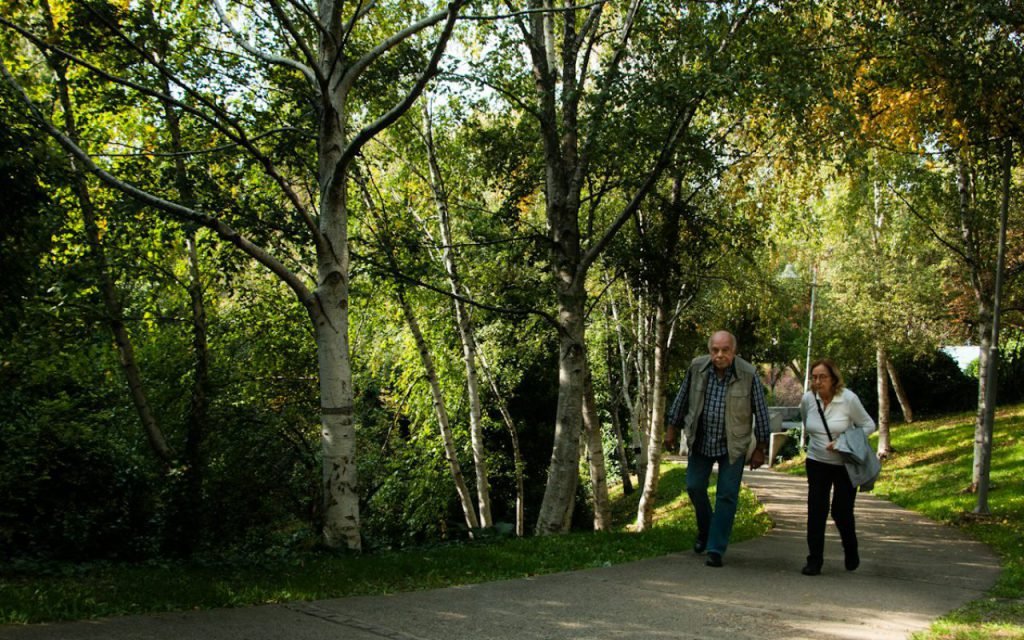
Leave the phone
Or at least keep it in your pocket. This is the step that makes a walk a true reset rather than just a change of scenery. If you spend the whole walk checking messages, scrolling social media or answering calls, your mind never gets a real break.
If you can, leave your phone at your desk or at home. If you need it for safety or to stay reachable, keep it on silent in your pocket and try not to take it out. Some people like to switch on a focus mode that silences notifications for fifteen minutes.
Leaving the phone behind can feel strange at first. You may reach for it out of habit or wonder what you are missing. That is normal. After a few walks, many people find that the freedom from their screen is one of the best parts of the reset.
The walk, step by step
Here is a simple structure for your ten-minute walk reset. Feel free to adapt it to suit your day and your surroundings.
- Step outside (minute 0). Put on your shoes, leave the phone behind or tuck it away and head out the door.
- Breathe (minutes 1 to 2). As you start walking, take a few slow, deep breaths. Let your shoulders drop and your arms swing naturally.
- Settle into a pace (minutes 2 to 4). Walk at a comfortable pace, neither rushed nor too slow. Let your body find its rhythm.
- Notice (minutes 4 to 8). Turn your attention outward with a simple sensory exercise, described below.
- Turn back (minutes 8 to 10). Head back toward where you started. Use these final minutes to think about one thing you want to focus on next.
- Arrive (minute 10). Pause for a moment before going back inside. Take one more deep breath and notice how you feel.

Notice
Five things you see, four you hear, three you feel. This simple grounding exercise is a gentle way to bring your attention into the present moment. Instead of replaying a stressful meeting or worrying about tomorrow, you focus on what is around you right now.
Five things you see
Look around and name five things you can see. They might be a red door, a cloud shaped like a whale, a cat in a window, a crack in the sidewalk or the way light hits a building. Try to notice details you usually miss.
Four things you hear
Listen closely and identify four sounds. Perhaps birdsong, a distant siren, wind in the leaves, children laughing or your own footsteps. Some sounds may be pleasant and some not; just notice them without judgment.
Three things you feel
Pay attention to three physical sensations. The air on your face, the ground under your feet, the warmth of the sun, the swing of your arms or the rhythm of your breath. Let your body be part of the experience.
If your mind wanders back to work or worries, that is perfectly normal. Simply notice that it wandered and gently return to the exercise. There is no wrong way to do this.
Making the walk reset a habit
The ten-minute walk reset is most helpful when it becomes a regular part of your routine. Here are a few ways to make it stick:
- Pick a regular time. Many people find that a mid-morning or mid-afternoon walk works well, especially when energy dips.
- Use it as a transition. Take a walk between work and home life, or between a stressful task and the next one.
- Find a route you enjoy. A loop around the block, through a nearby park or along a quiet street can become a familiar, comforting path.
- Keep shoes ready. Leave a pair of comfortable walking shoes by the door or under your desk.
- Invite someone. A coworker, partner, neighbor or friend can make the walk more enjoyable and help you stay consistent.
- Walk in most weather. A light jacket or umbrella makes it possible to walk on cooler or drizzly days. On very hot, cold or stormy days, a few minutes outside or a walk inside a building can still help.
It can also help to keep a quick note of how you feel before and after each walk for the first week or two. Nothing elaborate, just a word or two such as “tense” and then “lighter,” or “foggy” and then “clearer.” Seeing that pattern on paper is often the nudge that turns an occasional walk into a daily habit. On days when you truly cannot get outside, a slow lap around the office, the hallway of your apartment building or even your own backyard can stand in. The setting matters less than the pause, the breathing and the noticing.
If you have a health condition or are new to walking, talk with your doctor about what is right for you, and start with what feels comfortable.
Step outside, breathe, notice, come back
The ten-minute walk reset is one of the simplest ways to care for your wellbeing during a busy day. Leave the phone behind or keep it in your pocket, take a few deep breaths, notice five things you see, four you hear and three you feel, and then come back. Ten minutes outside can change how the rest of your day unfolds.
Try it today. The next time you feel stuck, stressed or scattered, stand up, step outside and walk for ten minutes. Notice how you feel when you return. You may find that this small habit becomes one of the most valuable parts of your day.
Key takeaway: Ten minutes, no phone and a simple noticing exercise are all it takes to reset a busy day.
General wellbeing information, not medical or mental-health advice. If you are in crisis in the US, call or text 988 to reach the Suicide & Crisis Lifeline.