
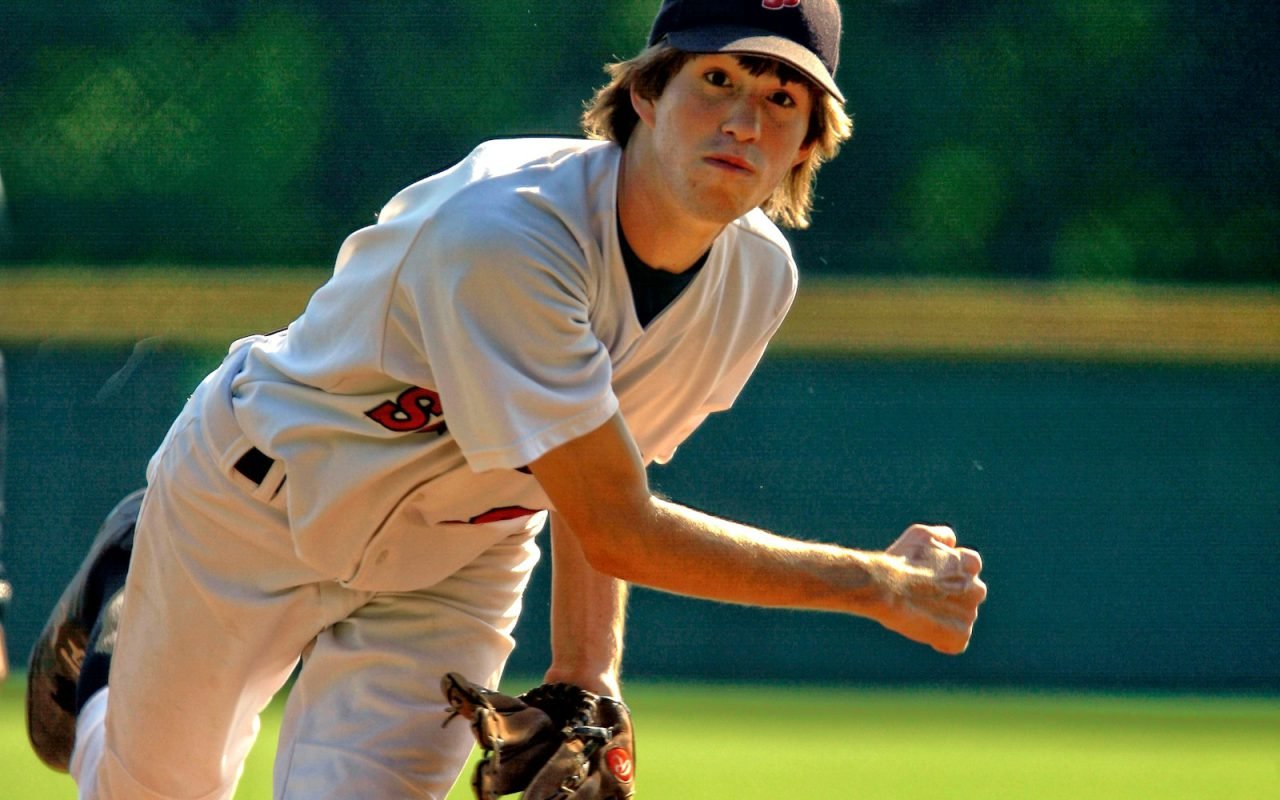
The average major-league fastball now travels 94.6 miles per hour. In 2010 it was 91.3. Teams love velocity because it works — hitters struggle to catch up. A pitcher who adds even two or three miles per hour can turn from a fringe prospect into a valuable big-leaguer almost overnight, and every organization in baseball now has coaches, cameras and training programs devoted to finding that extra speed. The cost shows up in the training room. Elbow ligament surgeries have more than doubled over the same period, and the sport is wrestling with a question it has not been able to answer: how do you chase velocity without breaking the arms that produce it?
This is not a new tension. Baseball has always valued hard throwers, and arm injuries have always been part of the game. What has changed is the scale. Pitchers are throwing harder at younger ages, with more intensity on every pitch, than at any time in the sport’s history. Many people inside the game now believe the two trends are directly connected.
Why velocity wins
The appeal of a faster fastball is simple. A hitter has well under half a second to decide whether to swing. Every extra mile per hour shortens that window, and at the highest speeds even elite hitters are forced to start their swings before they can clearly see the pitch. Faster fastballs also make breaking balls and changeups more effective, because hitters must commit early and are easier to fool.


Front offices have noticed. Scouting reports now lead with radar gun readings, and pitchers who throw in the high 90s are drafted earlier and paid more. Relief pitchers, in particular, are often chosen almost entirely for their velocity. Many bullpens now feature several pitchers who regularly reach 98 or 99 miles per hour, something that would have been extraordinary twenty years ago.
The training industry has followed. Young pitchers attend specialized programs that use weighted balls, high-speed cameras and strength training to add velocity. Many of these programs work. Pitchers who were throwing in the high 80s in high school are reaching the mid-90s by college. But the gains come with risks that are still not fully understood.
What the data shows
Researchers found that every 1 mph added to a fastball raises the risk of an elbow injury by roughly 5 percent. That figure helps explain why the rise in velocity and the rise in surgeries have moved together. The faster a pitcher throws, the more stress travels through the ulnar collateral ligament, a small band of tissue on the inside of the elbow that holds the joint together during the throwing motion.
When that ligament tears, the usual treatment is reconstructive surgery, in which a tendon from elsewhere in the body replaces the damaged tissue. The procedure has a strong track record, and many pitchers return to their previous level. But recovery typically takes a year or more, and some pitchers never fully regain their form. A second surgery is far less likely to succeed.
Team doctors and trainers say the pattern is consistent across the sport. Pitchers who throw the hardest tend to get hurt the most, and the problems often begin long before they reach the major leagues. Several team physicians told reporters that a growing share of the surgeries they perform are on pitchers in their early twenties, or even teenagers.
We are asking the human arm to do something it was not built to do, 100 times a night.
Orthopedic surgeon Dr. Naomi Patel
Patel, who has treated pitchers at many levels, said the human elbow is remarkably strong but has limits. Throwing a baseball at high speed puts enormous stress on the joint, and doing it repeatedly without enough recovery can wear down the ligament over time. She said most injuries are not caused by a single pitch but by an accumulation of stress over months and years.
What teams are trying
Pitch limits, six-man rotations and wearable sleeves that measure stress on the elbow during every throw. Clubs have tried a range of approaches, often in combination, to protect their pitchers without giving up the benefits of velocity. Here are the most common:
- Pitch limits: Starters rarely throw more than 100 pitches in a game, and many teams pull them earlier.
- Six-man rotations: An extra starter gives each pitcher an additional day of rest between outings.
- Wearable sleeves: Sensors track stress on the elbow and help trainers spot fatigue before it becomes injury.
- Throwing programs: Carefully planned workloads in the offseason help pitchers build up gradually.
- Strength work: Shoulder, back and core training aims to share the load more evenly across the body.
The results so far have been mixed. Some teams report fewer injuries, but surgeries across the sport remain high. Part of the problem, trainers say, is that many pitchers arrive in professional baseball with years of wear already on their arms.
Pitchers themselves are split. Several veterans told us they would happily give up a mile or two per hour for a longer career, while younger pitchers often see velocity as the only way to get noticed. One relief pitcher in his late twenties, who has already had elbow surgery once, said the choice rarely feels like a real choice. Throwing hard got him drafted, he said, and throwing hard keeps him on a roster.

What it means for kids
Doctors say youth pitchers who throw year-round are the most at risk. Most recommend at least three months a year without throwing. That advice runs against a youth sports culture that increasingly encourages young athletes to specialize early and play on travel teams across multiple seasons.
Parents and coaches can help reduce the risk. Widely shared guidance from youth baseball organizations and sports medicine doctors includes a few basic steps:
- Follow pitch count and rest-day guidelines for the player’s age.
- Avoid pitching on consecutive days, and do not let a pitcher catch on rest days.
- Take a real break from throwing for several months each year.
- Encourage young athletes to play other sports.
- Stop immediately if a pitcher reports elbow or shoulder pain, and see a doctor.
These are general guidelines, not medical advice for any individual player. Parents with concerns about a child’s arm should talk to a pediatrician or a sports medicine specialist, who can give advice based on the child’s age, growth and history.
Key takeaway: Velocity is valuable, but it comes at a cost. Rest, sensible workloads and time away from throwing remain the best protection, especially for young arms.
Where baseball goes from here
There is no easy solution. Teams will keep valuing velocity as long as it helps them win, and pitchers will keep chasing it as long as it earns them contracts. Some people in the game have suggested rule changes, such as limits on the number of pitchers a team can carry, which would force starters to work deeper into games at lower intensity. Others believe technology, including better sensors and smarter training, will eventually help pitchers find a safer balance.
For now, the sport is caught between what wins today and what protects players over the long run. Every hard-throwing rookie who reaches the majors is a reminder of how far velocity has come. Every pitcher who goes under the knife is a reminder of what it costs. Read more in our pitching series this month, and tell us in our fan poll whether you think baseball should change its rules to protect pitchers.






Thanks for explaining this so clearly.
Great reporting — please keep following this story.