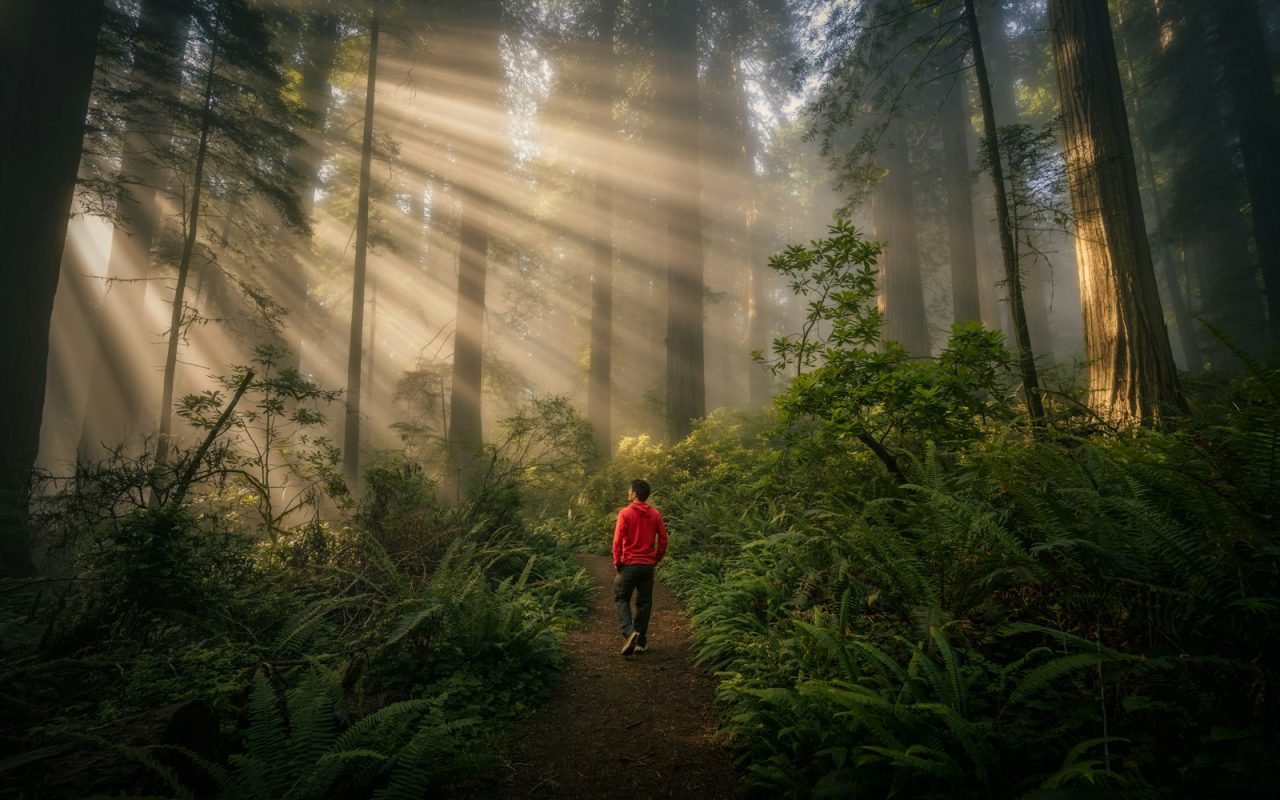

Forest bathing started in Japan in the 1980s as shinrin-yoku, and it is simpler than it sounds: walk slowly into a forest and pay attention. There is no water involved, no special equipment and no destination. You do not hike to a summit, track your steps or race the sunset. You simply spend time among trees with all five senses switched on, and let the woods do the rest.
The practice has spread around the world, and in the United States you can now find guided forest walks in state parks, nature centers and quiet woodlands from the Smoky Mountains to the redwood groves of Northern California. But you do not need a guide or a famous forest to begin. A patch of woods near home and two unhurried hours are enough. Here is a beginner’s guide to walking slowly, with advice from a forest therapy guide in Vermont.
What forest bathing is, and isn’t
The easiest way to understand forest bathing is to compare it to a hike. A hike usually has a goal, a distance and a pace. You walk to see a view or reach a lake, and you probably check your watch along the way. Forest bathing has none of that. The point is to slow down, notice your surroundings and let your attention rest on what is right in front of you.


Many people find time among trees calming, and spending time outdoors is widely seen as good for overall well-being. Forest bathing is not a medical treatment, though, and it is not a substitute for care from a doctor or therapist. Think of it as a pleasant, restful way to spend time outside that many people find leaves them feeling refreshed.
Go slowly
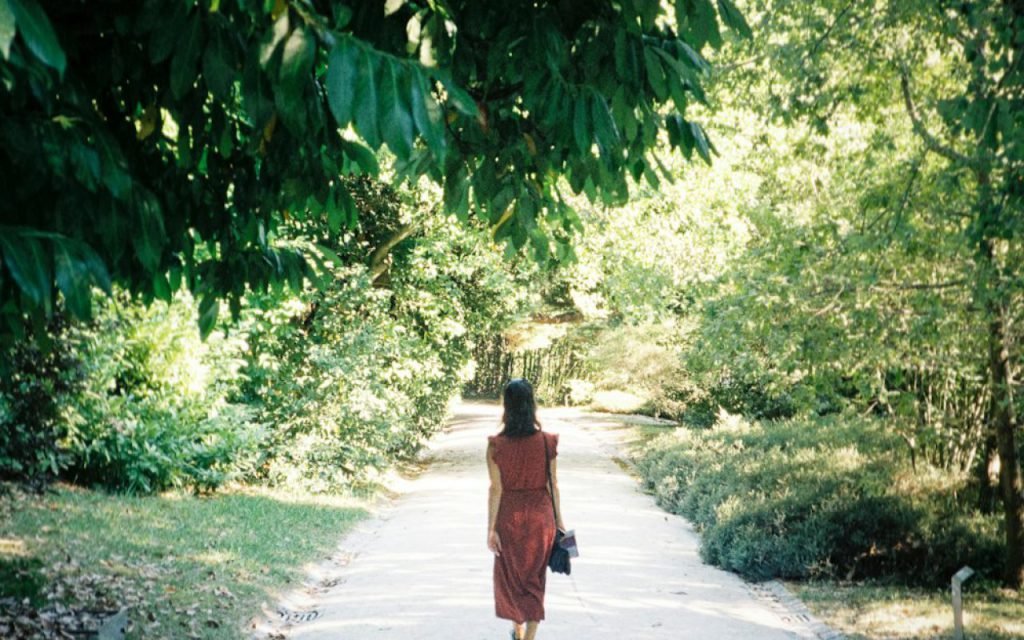
Walk at half your normal pace. Stop often. The goal is not to reach anywhere. This is harder than it sounds. Most of us are used to walking with purpose, and slowing down can feel awkward or even a little silly at first. Give yourself permission to be slow.
Dr. Leah Morrison, a certified forest therapy guide who leads small group walks in the woods outside Burlington, Vermont, suggests starting with a deliberate pause. Stand still at the edge of the forest for a minute or two before you go in. Take a few slow breaths. Notice the temperature of the air on your skin. Then walk in as though you have all the time in the world.
Most people relax within twenty minutes. The trees do almost all of the work.
Dr. Leah Morrison, certified forest therapy guide
Pace yourself by your breath rather than your feet. Leah tells her groups to take a step on each slow breath out, which brings most people down to a gentle stroll. On a typical two-hour walk, her groups may cover less than a mile. People are often surprised by how much they notice at that speed: a spider web catching the light, the sound of a squirrel in dry leaves, the change in temperature as the path dips into a hollow.
In Leah’s experience, the first twenty minutes are often the hardest. Thoughts about work, shopping lists and unanswered messages crowd in. That is normal. When you notice your mind wandering, gently bring your attention back to something you can see, hear or feel. Over time, the busy thoughts tend to quiet down on their own.
Use every sense
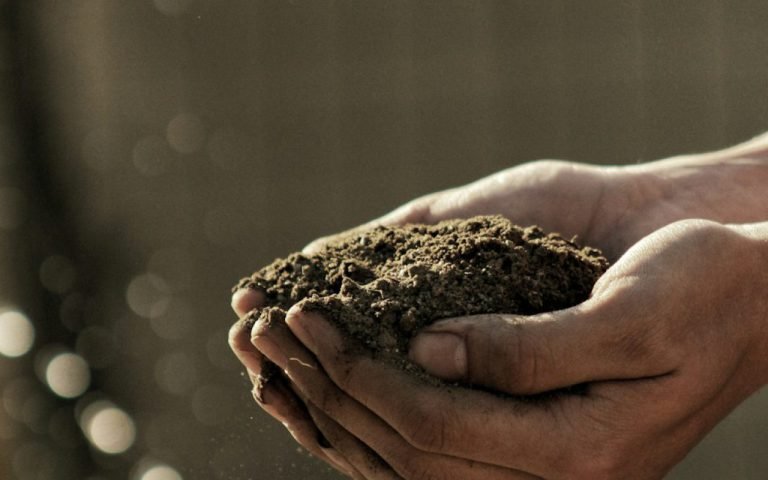
Notice five things you can hear, the smell of the soil, the feel of bark under your hand. Forest bathing is about engaging the senses one at a time. Most of us rely heavily on sight and ignore the rest. In the woods, every sense has something to offer.
A simple sense walk
Leah often guides beginners through a short sequence. You can try it on your own:
- Listen. Close your eyes and count five different sounds: birds, wind in the leaves, a creek, your own footsteps, a distant woodpecker.
- Smell. Breathe in slowly. Notice the scent of damp soil, pine needles or fallen leaves.
- Touch. Rest your hand on the bark of a tree. Is it rough, smooth, cool, warm? Run your fingers over moss or a smooth stone.
- Look closely. Find something small, such as a mushroom, a fern unfurling or a beetle, and study it for a full minute.
- Look up. Lie on a blanket or lean against a trunk and watch the canopy move against the sky.
Taste is usually left out for safety; never eat plants, berries or mushrooms you find unless you are with an expert who can identify them with certainty. A warm drink from home after the walk is a much safer way to finish.
Leave the phone in your bag
Take one photo at the end if you must. Phones pull our attention away from the present moment faster than anything else. Even a quick glance at the screen can bring back the noise you came to the forest to escape.
Switch your phone to silent and keep it in your bag. It is wise to carry it for safety, especially if you are walking alone, so let a friend or family member know where you are going and when you expect to be back. If you want a photo to remember the day, take it at the end, once your walk is complete.
Key takeaway: slow down, engage your senses and keep your phone out of sight. That is the whole practice.
What to bring
Forest bathing asks for very little. You probably already have everything you need:
- A quiet woodland near home
- Two hours
- Comfortable shoes
- Something warm to drink afterwards
- Layers for changing weather and a small blanket or mat to sit on
Finding a forest
You do not need ancient old-growth woods. A local park with a stand of trees, a nature preserve, a quiet trail in a state forest or even a large wooded cemetery can work well. Look for somewhere relatively quiet, away from road noise, where you can walk without needing to watch your step constantly. Stay on marked trails, follow posted rules and be aware of local wildlife and seasonal hazards such as ticks.
Choosing a time
Early morning and late afternoon are especially lovely, when the light is soft and the woods are quiet. Every season has its pleasures: spring brings birdsong and new leaves, summer offers deep shade, fall fills the air with color and the smell of leaves and winter brings a hushed stillness that many people find deeply peaceful.
Bringing it home
Some people like to write a few lines in a notebook afterward: three things they noticed, how the air smelled, how their shoulders felt on the walk in compared with the walk out. Over months, those notes become a small record of the seasons in your local woods, and a gentle reminder of why you keep going back. Others prefer to simply sit and say nothing at all, which is just as good.
When your walk is over, take a few minutes to sit quietly before heading back to the car. Many guides end their walks with a simple tea, shared in a circle. You can do the same with a thermos. Notice how you feel compared to when you arrived.
The more often you practice, the easier it becomes to slip into that slow, attentive state. Some people make forest bathing a monthly ritual. Others take a short version on their lunch break in a nearby park. However you approach it, the idea is the same: no hiking, no destination, just two hours among trees with all five senses. Let the forest set the pace, and follow.