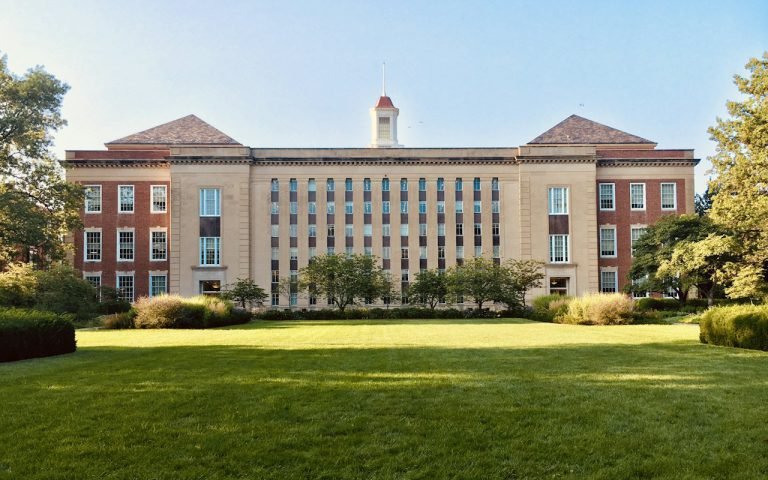

The community college will offer a free 16-week pre-apprenticeship program for electricians starting in January, funded by a group of 14 local contractors. The contractors say they have about 300 openings to fill across the region and not nearly enough trained workers to fill them, and they are betting that paying for the training themselves is faster than waiting for the problem to fix itself.
Graduates get a guaranteed interview for a paid apprenticeship with one of the sponsors. Tuition, books, a starter tool kit and safety gear are all included, and classes are scheduled in the evenings and on Saturdays so that students can keep their current jobs while they train.
A shortage on every job site
Contractors across the region say demand for electricians has rarely been higher. New housing developments, school renovations, solar installations, electric vehicle chargers and upgrades to older homes have all added work. At the same time, many experienced electricians are approaching retirement, and fewer young people have entered the trade over the past two decades.


The result is a backlog. Several sponsoring contractors told reporters they have turned down projects or pushed start dates back by months because they cannot staff them. Homeowners have felt it too, with longer waits for everything from panel upgrades to new outlets.
We have more work than people. This is how we fix that.
Robert Dale, owner of Dale Electric
Dale, whose company employs 45 electricians and apprentices, helped organize the group of sponsors. He said contractors had talked about the shortage for years but had mostly competed with one another for the same small pool of workers. “We were all stealing each other’s people,” he said. “That doesn’t grow the workforce. It just moves it around. We decided to stop complaining and start training.”
What the program covers
The pre-apprenticeship is designed to give students a solid foundation before they begin on-the-job training. It does not replace a full apprenticeship, which typically takes four to five years and combines paid work with classroom instruction. Instead, it prepares students to start that apprenticeship ready to contribute on day one.
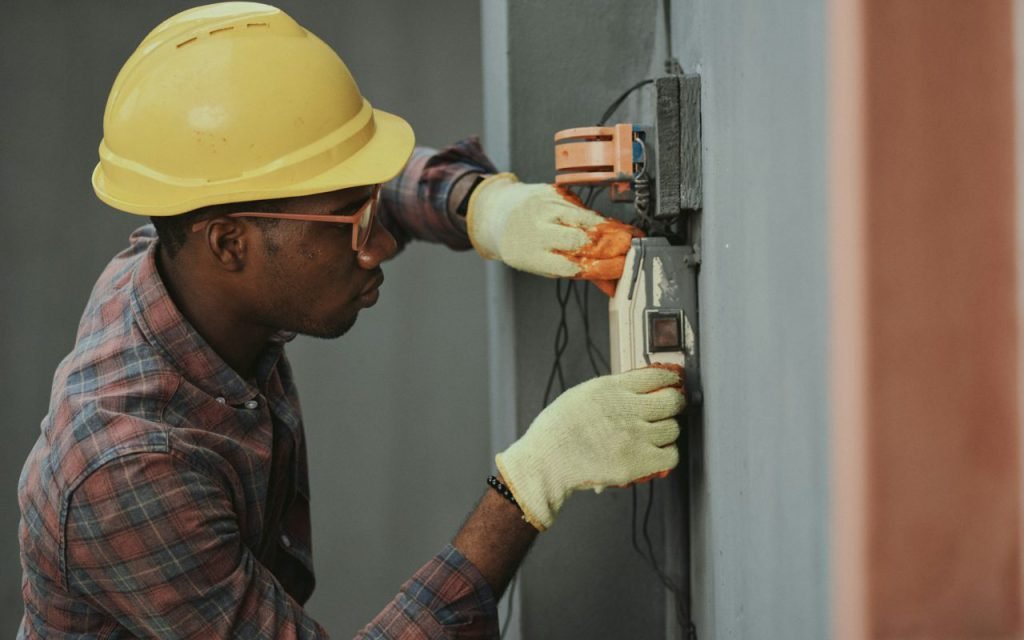
Instructors include college faculty and working electricians from the sponsoring companies. Classes meet three evenings a week and on Saturday mornings, with a mix of lectures and hands-on work in the college’s training lab, which includes mock walls, panels and conduit stations.
Course topics
- Basic electrical theory and math for the trade
- Reading blueprints and electrical drawings
- Introduction to the National Electrical Code
- Hand and power tool safety
- Residential wiring, outlets, switches and lighting
- Conduit bending and installation
- Jobsite safety training and first aid certification
Students also spend several Saturdays visiting active job sites, where they shadow electricians and see the work up close. Organizers say those visits help students decide whether the trade is the right fit before they commit to an apprenticeship.
Who can apply
The program is open to adults 18 and older with a high school diploma or equivalent and a valid driver’s license. No experience is required. Applicants must pass a basic math assessment and attend an information session at the college. The first class will enroll 40 students, and organizers hope to run two sessions a year.
College officials say they are especially encouraging applications from people who might not have considered the trades before, including women, veterans, recent high school graduates and workers looking to change careers. Lisa Moreno, dean of workforce programs at the college, said the free tuition and flexible schedule are meant to remove the barriers that keep many people from trying.
“A lot of people assume the trades aren’t for them, or they can’t afford to stop working to train,” Moreno said. “This program says, keep your job, come in the evening, and in four months you can be on a path to a solid career.”
From classroom to career
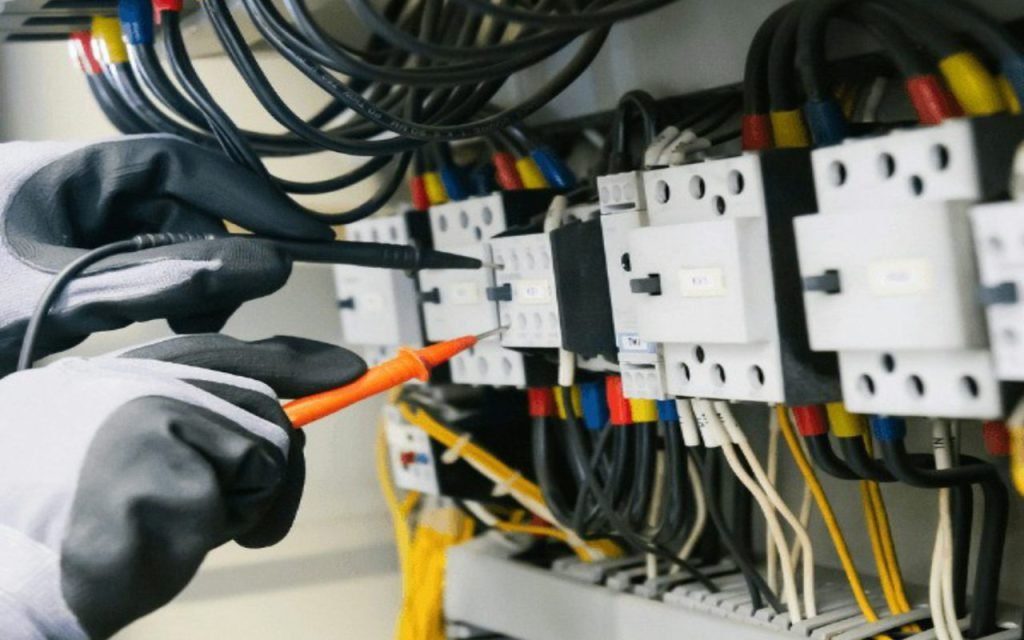
Graduates who complete the program and pass the final exams will receive a certificate and a guaranteed interview with at least one sponsoring contractor. Those hired begin a paid apprenticeship, earning a wage while they work under licensed electricians and continue classroom training toward their journeyman license.
Apprentice wages vary by employer and experience, but sponsors say starting pay is competitive with many entry-level jobs and rises steadily as apprentices gain skills and hours. Licensed electricians in the region can earn a comfortable middle-class income, and many eventually start their own businesses.
Sponsors also plan to pair each apprentice with a mentor, usually a senior electrician who can answer questions, offer advice and help new workers settle into the rhythm of job sites. Dale said mentoring was the piece he wished he had when he started out decades ago. “Nobody explained anything to me,” he said. “I learned by making mistakes. We can do better than that for these folks.”
The college will also offer students help with practical hurdles, such as transportation to job sites and child care referrals, through its existing student support office. Moreno said those services can make the difference between finishing a program and dropping out halfway through.
Jasmine Ortiz, a 27-year-old who works as a cashier, attended the first information session last week. She said she had always liked fixing things but never knew how to get started. “I can’t quit my job to go to school,” she said. “This is the first time I’ve seen something that fits my life. If I get in, I’m going to work as hard as I can.”
Key takeaway: The program is free, runs evenings and Saturdays for 16 weeks starting in January, and leads to a guaranteed interview for a paid apprenticeship with one of 14 local contractors.
A model for other trades
College leaders say the electrician program could become a model for other skilled trades facing shortages, including plumbing, heating and cooling, and welding. Several contractors in those fields have already reached out about similar partnerships. Moreno said the college hopes to launch at least one more program next year if funding comes through.
For the sponsoring contractors, the investment is practical. Dale estimates that training each student costs a fraction of what his company loses when a job is delayed or turned away. “If we get even half of these students into apprenticeships, it pays for itself many times over,” he said. “And it gives people a real career. That part matters to me.”
How to apply
Applications for the January class are open now through mid-November. Information sessions will be held on several weeknights at the college’s technical center, and interested applicants can register online or by calling the workforce office. Space is limited to 40 students, and organizers recommend applying early.
Applicants who are not accepted into the first class will be placed on a priority list for the next session, and the college says it will offer free math refresher workshops for anyone who needs extra preparation before taking the assessment.
For those who are accepted, the next four months will mean long evenings and early Saturdays. But for a trade with more work than workers, the path at the end of those 16 weeks could lead to a steady career, and to the lights coming on in homes and businesses across the region.