
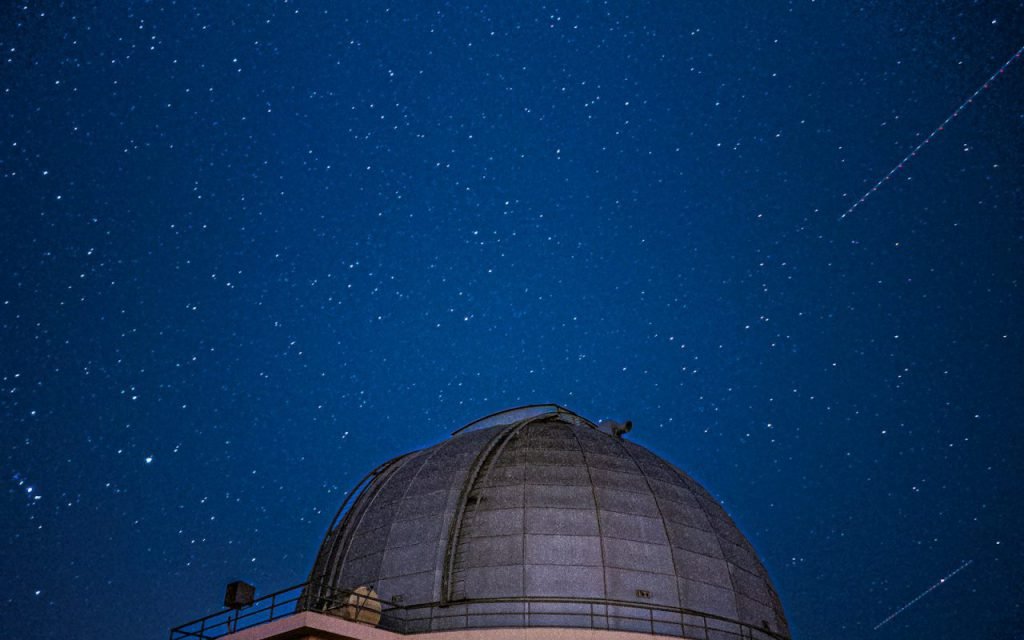
A small telescope run by graduate students at the state university has helped track a newly found comet that could be visible to the naked eye this winter. The instrument, a 20-inch reflector housed in a modest dome on the edge of campus, is better known for student training and public stargazing nights than for discoveries. This fall, it found itself part of a worldwide effort to pin down the path of a faint, fuzzy visitor from the outer solar system.
The comet will pass closest to the sun in early January. If it survives the trip, it may brighten enough to see from dark skies just after sunset. Astronomers say it may be bright enough to see without binoculars by mid-January, though they are quick to add that comets rarely behave exactly as predicted.
How the comet was found
The comet was first reported by an automated sky survey that scans large patches of the night sky looking for moving objects. Within days, observatories around the world began taking follow-up images to measure its position. Each new set of measurements helps narrow down the comet’s orbit, which in turn tells astronomers when and where it will appear in our sky.


That is where the university’s telescope came in. Because it sits at a different longitude than many of the large observatories that track comets, it can observe the object during hours when others cannot. Over six weeks, students captured more than 300 images, measured the comet’s position against background stars and sent the results to the international clearinghouse that collects such data.
Graduate student Marcus Ellison, who led the overnight observing shifts, said the work was mostly patient and repetitive. “You take an image, you measure a tiny smudge, you check it, and you do it again,” he said. “Then one morning you see your observations listed next to observatories you’ve only read about in textbooks.”
What makes this comet special
Astronomers believe the comet is on a very long orbit, which means it may not have passed through the inner solar system for thousands of years, if ever. Comets like this are made of ice, dust and rock left over from the solar system’s formation. As they approach the sun, the ice warms and turns to gas, releasing dust and creating the glowing head and long tails that make comets famous.
Long-orbit comets are especially exciting because they may be carrying fresh ice that has never been warmed by the sun. That can make them brighten quickly. It can also make them fragile. Some comets crack apart or fade suddenly as they near the sun, disappointing everyone who was waiting to see them.
Comets are famously unpredictable. That’s half the fun.
Dr. Naomi Fischer, astronomer
Fischer, who supervises the student observing program, said the team will keep measuring the comet’s brightness through December. Those measurements will give a better sense of whether it is on track to put on a show or quietly fade.
How to see it
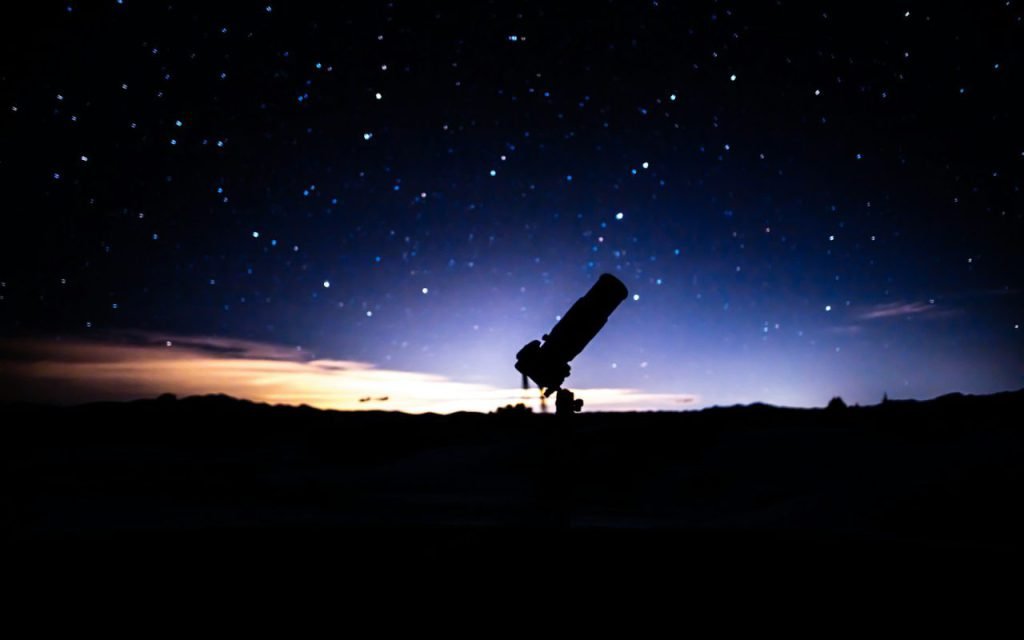
Look low in the western sky about an hour after sunset in mid-January. Binoculars will help, and a dark spot away from city lights helps most of all. If the comet brightens as hoped, it should appear as a fuzzy star with a faint tail pointing away from where the sun has set.
Here are a few tips to improve your chances:
- Find a viewing spot with a clear, low view to the west, free of trees and buildings.
- Get away from bright city lights if you can. Even a short drive to a park or rural road makes a big difference.
- Give your eyes 15 to 20 minutes to adjust to the dark, and avoid looking at your phone screen.
- Scan slowly with binoculars just above the horizon, where the sky is still glowing from sunset.
- Check the weather. Clear skies matter more than anything else.
Dress warmly. January evenings can be bitterly cold in much of the country, and standing still outdoors cools you down quickly. A thermos of something hot and a folding chair make the wait much more pleasant.
Taking a photo
Even if the comet is faint to the eye, cameras can often capture it. Many newer smartphones have a night mode that works well for bright comets when the phone is held steady on a tripod or propped against something solid. With a regular camera, try a wide lens, a tripod and exposures of a few seconds. Take several shots and compare them, since the comet may show up better in one than another.
Bringing the family
A comet is a wonderful first astronomy lesson for kids. Before the big night, look up simple pictures of comets together and talk about what they are made of. Bring a red flashlight, or cover a regular flashlight with red tape, so everyone can see the path without ruining their night vision. Let children hold the binoculars and take turns finding the comet. Even if the view is faint, the experience of being out under the stars on a cold January night tends to stick with them for years.
Local astronomy clubs often welcome families at their public events, too. Members are usually happy to point telescopes at the comet, the moon or a bright planet and explain what you are seeing.
What could go wrong
The biggest uncertainty is the comet itself. If it breaks up near the sun in early January, it may fade quickly or vanish. If it releases more dust and gas than expected, it could be brighter than forecasts. Astronomers will know much more once the comet rounds the sun and reappears in evening skies.
Weather and moonlight also matter. A bright moon washes out faint objects, so the best nights will be those when the moon is below the horizon after sunset. Fischer suggests checking a sky calendar or astronomy app in early January to find the darkest evenings.
Key takeaway: Plan for mid-January, look west after sunset, bring binoculars and keep expectations flexible. Comets reward patience but promise nothing.
Public viewing nights
The university’s astronomy department plans to host free public viewing nights at the campus observatory in January if the comet becomes visible. Students will set up telescopes and binoculars on the lawn outside the dome and answer questions about comets and the night sky. Dates will depend on the weather and the comet’s brightness, and the department will announce them on its website and social media pages.
For the students who spent long autumn nights measuring a faint smudge, the chance to show the comet to the public would be the perfect finish. As Ellison put it, the best part of astronomy is the moment someone looks through an eyepiece for the first time and says, “Oh.”
Looking up this winter
Whether this comet becomes a bright winter highlight or a faint footnote, it is a reminder that the night sky still holds surprises, and that small telescopes and dedicated students can play a real part in science. Mark mid-January on your calendar, find a dark spot with a view to the west, and look up. You might just catch a visitor that has been traveling toward us for thousands of years.





Thanks for explaining this so clearly.
Great reporting — please keep following this story.