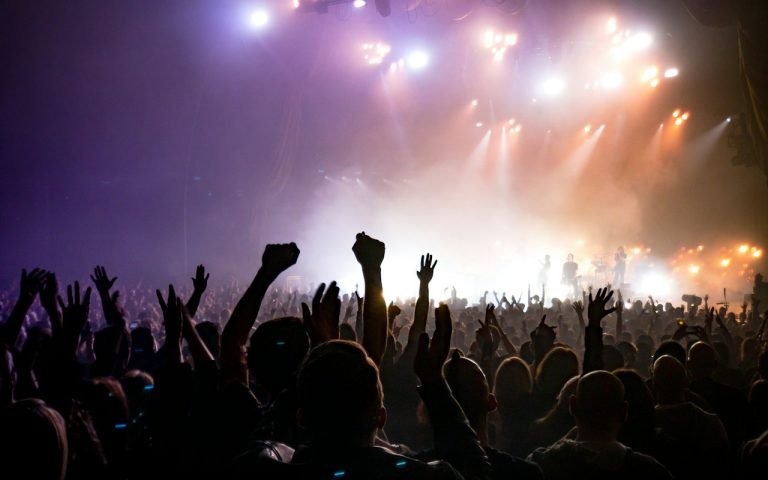
A summer festival can be the best weekend of the year — if you plan for the heat, the crowds and your ears. Three days of music in an open field sounds like pure freedom, and it can be. But anyone who has spent a long Saturday baking in the sun, separated from friends, with a dead phone and ringing ears knows how quickly a dream weekend can turn into an endurance test. The difference is almost always preparation.
Our team has covered festivals across the country, from desert gatherings in the Southwest to lakeside weekends in the Midwest and big-city events on the East Coast. We have made every mistake so you do not have to. Here is our practical guide to three days, zero regrets.
Before you go
The best festival weekends start a few weeks earlier, at home. Check the festival’s official website for its bag policy, prohibited items list, re-entry rules and set times. Rules vary widely from event to event. Some allow empty reusable water bottles but not glass, some allow small chairs only in certain areas and some require clear bags. Finding out at the gate is the slowest way to learn.


Plan your schedule, but not too tightly. Use the festival app or printed lineup to mark the sets you absolutely cannot miss, then leave big gaps for wandering. Look up how far apart the stages are. A fifteen-minute walk through a dense crowd can take forty, and trying to sprint between headliners is how people end up exhausted by Saturday afternoon.
Train your body a little
It sounds silly, but festivals involve a lot of walking and standing. If your daily routine is mostly sitting, take a few longer walks in the weeks before, wearing the shoes you plan to bring. Break in new shoes well ahead of time. Blisters on day one can ruin days two and three.
Protect your hearing
Reusable earplugs cut volume without ruining the sound. This is the single most important piece of advice in this guide, and it is the one most people skip. Festival sound systems are loud, often loud enough to cause temporary ringing after a few hours and, over time, lasting damage. Hearing loss usually happens gradually and cannot be undone.
Modern reusable earplugs designed for music lower the volume evenly, so vocals and instruments still sound clear, just quieter. Many musicians and sound engineers wear them every night. They fit in a small case on your keychain and cost less than a festival T-shirt. Foam earplugs are better than nothing, and many festivals hand them out at information booths.
Beyond earplugs, give your ears breaks. Step away from the speakers between sets, avoid standing right next to the speaker stacks and watch at least part of the day from farther back. If your ears ring or feel muffled after a show, that is a warning sign. If it does not go away, see a doctor or a hearing specialist.
The best festival memories happen at 2 p.m. at a tiny stage you almost skipped.
Our festival reporter
Beat the heat
Summer festivals are often held in open fields with little shade, and heat is one of the most common reasons people end up at the medical tent. Drink water steadily throughout the day, not just when you feel thirsty. Most festivals offer free water refill stations; find them on the map as soon as you arrive. If you drink alcohol, alternate each drink with a full bottle of water.
Wear a wide-brimmed hat, light breathable clothing and sunscreen with a high SPF. Reapply every couple of hours, especially after sweating. Plan your day around the heat: explore shaded areas, smaller tents and food vendors in the middle of the afternoon, then save your energy for evening sets when temperatures drop.
Know the signs of heat exhaustion, such as dizziness, heavy sweating, nausea or a headache, and do not ignore them in yourself or your friends. Head to shade, drink water and go straight to the medical tent if symptoms do not improve quickly. Festival medical staff are there to help, and asking early is always the right call.
Eat well and pace yourself
Festival food has improved enormously, and grabbing a real meal is one of the easiest ways to keep your energy up. Eat a proper breakfast before you leave your campsite or hotel, then plan at least one solid meal during the day rather than living on snacks. Lines at food trucks are shortest during big sets, so that is a good time to eat. Sleep matters, too. Three nights of very little rest catch up with everyone, so pick at least one evening to head back early.
Pick a meeting spot
Phones die and signals drop. Agree on a landmark. When tens of thousands of people gather in one field, cell service often slows to a crawl, and messages may arrive hours late or not at all. Before you split up for different sets, choose a clear, easy-to-find meeting point, like the left side of the sound booth at the main stage or a specific food truck, and agree on times to check in.

Write a friend’s phone number on your arm or on a card in your pocket in case you lose your phone. Keep your phone charged with a portable battery, turn down screen brightness and switch off apps you do not need. Many festivals also have charging stations, though lines can be long in the evening.
Look out for each other
Stick together after dark, especially when heading back to campsites or parking lots. Keep an eye on friends who seem unwell, and do not hesitate to ask security or medical staff for help. Most festivals have clearly marked information and first aid tents; point them out to your group when you first arrive.
Pack this
You do not need to bring your whole closet. A light, well-chosen bag makes long days much easier. These are the essentials our team never leaves home without:
- Earplugs
- Refillable water bottle
- Portable charger
- Sunscreen
Beyond the basics, consider a light rain jacket, a bandana for dust, hand sanitizer, a small first aid kit with blister bandages, any medications you need and a bit of cash in case card readers go down. If you are camping, add a headlamp, a warm layer for cold desert nights and a sleep mask for early sunrises.
Key takeaway: protect your ears, stay hydrated, plan a meeting spot and leave room in your schedule for surprises.
Leave room for discovery
The headliners may be why you bought a ticket, but the moments people remember most often happen somewhere unexpected: an artist you had never heard of on a side stage, a jam session near the food trucks, a sunset set that made the whole crowd fall silent. Wander. Say yes to the band your friend insists you must see. Sit on the grass and listen from a distance.
Then, when the last chord fades on Sunday night, give yourself a slow Monday. Drink plenty of water, rest your ears and start counting down to next year. With a little planning, three days of music can be exactly what you hoped for: loud, joyful and full of memories you will want to keep.