
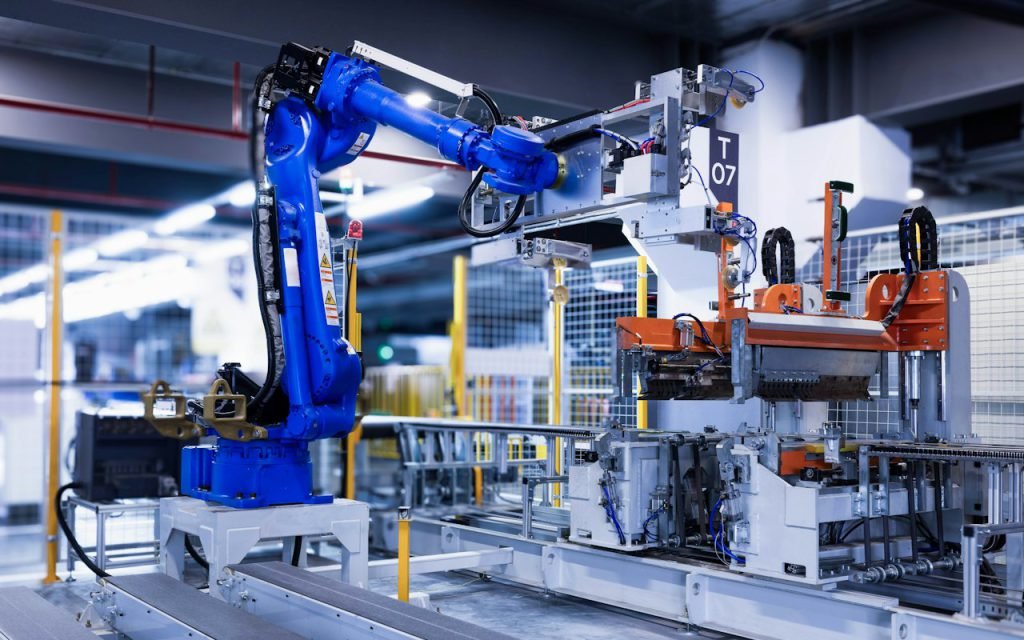
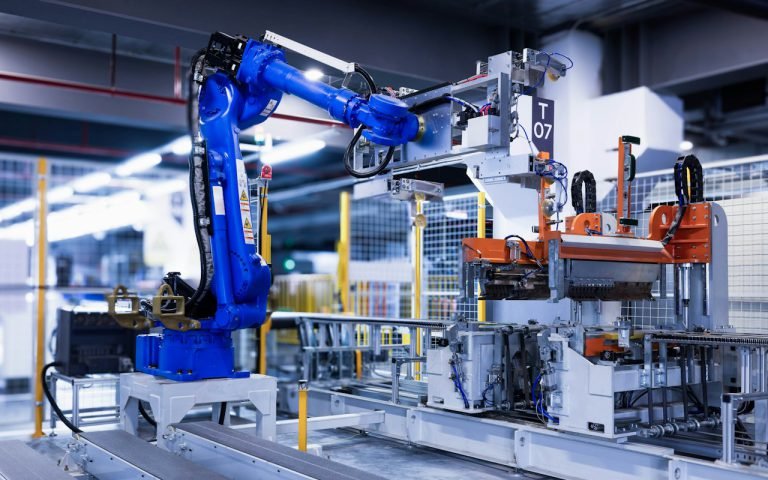
In a warehouse outside Fresno, a robotic arm reaches into a row of strawberry plants, pauses, and plucks a single red berry without bruising it. The motion takes about four seconds. A skilled human picker could do the same in less than one. But the engineers watching from a folding table nearby are not trying to beat a human. They are trying to build a machine that can show up at 5 a.m., work through a heat wave and fill the shifts that farms increasingly cannot staff.
The startup behind it, Tenderfield Robotics, has spent four years teaching its machines to judge ripeness by color and firmness, using cameras and soft silicone grippers. The company has 42 employees, two test fields and a warehouse full of potted strawberry plants that are grown, picked and replanted on a constant cycle so the robots never run out of practice.
The hardest fruit to pick
Strawberries are notoriously difficult to harvest by machine. They grow low to the ground, hide under leaves and ripen at different times on the same plant. A berry that looks perfect from above may be pale on the underside. And a ripe strawberry is soft enough that a firm squeeze leaves a bruise that turns brown within hours.


A ripe strawberry is about the hardest thing in agriculture to pick. If we can do that, we can do almost anything.
Chief engineer Olivia Reed
Reed, who previously designed surgical robots, said the challenges have a lot in common. Both require precise movement, delicate touch and the ability to work around obstacles that do not stay in the same place twice. “In surgery, it’s tissue,” she said. “Here, it’s leaves and stems that move every time the wind blows.”
How the robots see and feel
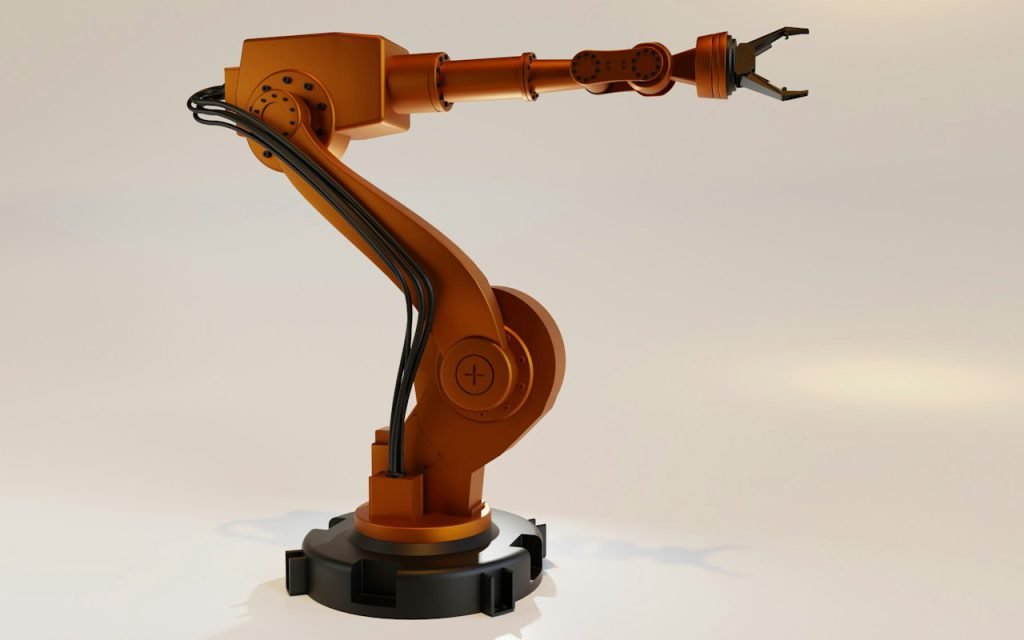
Each harvesting unit is a low, wheeled platform about the size of a golf cart, with two arms that work on either side of a planting bed. Cameras mounted underneath capture images from several angles, and software trained on millions of photos decides which berries are ready.
Color first, then touch
The cameras look for a deep, even red, but color alone is not enough. Once the software picks a target, the arm moves in and gently presses the berry with a fingertip-sized sensor before grasping it. If the berry is too firm, it is left for another day. If it is soft enough, the gripper closes around it.
The grippers are made of food-safe silicone and filled with air. When they close, they spread pressure evenly around the fruit instead of pinching it at two points. Early versions used rigid plastic fingers and bruised nearly every berry they touched. The team went through more than 30 gripper designs before settling on the current one.
The process, step by step, looks like this:
- Cameras scan the plant and identify berries that appear ripe.
- The arm moves aside leaves with a soft paddle to get a clear view.
- A sensor gently tests the berry’s firmness.
- The silicone gripper closes and twists the berry free at the stem.
- The berry is placed directly into a clamshell container, ready for the store.
All of that data feeds back into the software. Each night, the team reviews photos of berries the robots picked and berries they skipped, and pickers with decades of experience help label which decisions were right. Reed said those human experts have been the most valuable part of the training process. “They can glance at a plant and tell you which berry will be perfect tomorrow,” she said. “We’re trying to teach a machine a tiny piece of that.”
Will robots replace pickers?
Not soon, the founders say. The robots work slower than skilled pickers and struggle in wind and rain. They are designed to fill shifts farms can’t staff.
Growers in California’s Central Valley have reported difficulty finding enough workers for years, especially during the peak of harvest when every farm needs people at the same time. Some fields go partly unpicked, and fruit rots on the plant. Tenderfield’s founders say their machines are meant to help with that gap rather than replace the crews who already do the work.
Co-founder Daniel Ortega, whose parents worked in the fields near Salinas when he was growing up, said the company talks with farmworkers regularly about how the machines should fit into their day. In some test fields, robots pick overnight, when it is cooler and harder to find workers, and human crews take over in the morning.
My mom picked strawberries for 20 years. I’m not trying to build a machine that would have taken her job. I’m trying to build one that would have made her job less brutal.
Daniel Ortega, co-founder
The limits, for now
Tenderfield is candid about what its robots cannot yet do. In internal tests, the machines pick at a fraction of the speed of an experienced crew member. They work best in raised beds and greenhouse settings, where plants are uniform and protected from the weather. Open fields with uneven ground, gusty wind and morning dew remain a challenge.
Other hurdles the team is working on include:
- Battery life, which currently limits each unit to about eight hours of work
- Mud, which can clog wheels and coat camera lenses after rain
- Cost, since each machine is still expensive to build
- Repairs in the field, where farms may not have trained technicians on hand
The company plans to lease the robots to growers by the season rather than sell them outright, so farms can try the technology without a large upfront purchase. It also plans to train local technicians in farming communities to handle maintenance.
Food safety is another consideration. Every part of the machine that touches fruit is removable and washed at the end of each shift, and the company follows the same sanitation rules that apply to human harvest crews. Growers in the pilot program asked for that early on, Ortega said, because a single contamination problem could cost a farm its buyers.
The road to the field
Tenderfield expects to begin commercial pilots with three growers next spring, using about 20 machines in total. The founders say that if those pilots go well, robots could meaningfully ease the farm labor shortage within five years, at least for strawberries grown in raised beds and protected settings.
Agricultural economists who have followed the company are cautiously optimistic. Many farm robots have looked promising in the lab only to struggle in real fields. But they note that the steady shortage of seasonal workers has made growers more willing than ever to experiment.
Key takeaway: Tenderfield’s robots are slower than human pickers and still struggle in bad weather, but they can handle ripe strawberries gently enough to help farms fill hard-to-staff shifts.
Back in the warehouse
By late afternoon, the robotic arm outside Fresno had picked several hundred berries. A technician sorted through a sample of them by hand, checking for bruises, torn stems and fruit that was not quite ripe. Most passed. A few did not, and those photos went straight into the training data for the next round of software updates.
Reed said that loop of trying, failing and adjusting is what the work really looks like. “People see the video of the arm picking a perfect berry,” she said. “They don’t see the 10,000 berries it squished first. But every one of those taught us something.”





Thanks for explaining this so clearly.
Great reporting — please keep following this story.