Four years. One coastline. More than three thousand hours of footage. That is what went into “Deep Water,” a new nature documentary that follows a single stretch of the California coast through every season, from the surface of the waves to the floor of the kelp forest. The result is breathtaking. It is the kind of film that makes you lean toward the screen, hold your breath and forget for ninety-two minutes that you are sitting in a theater or on your couch. It is also patient, thoughtful and refreshingly honest about how much we still have to learn about the ocean. This is one of the best documentaries of the year.
What the film is about
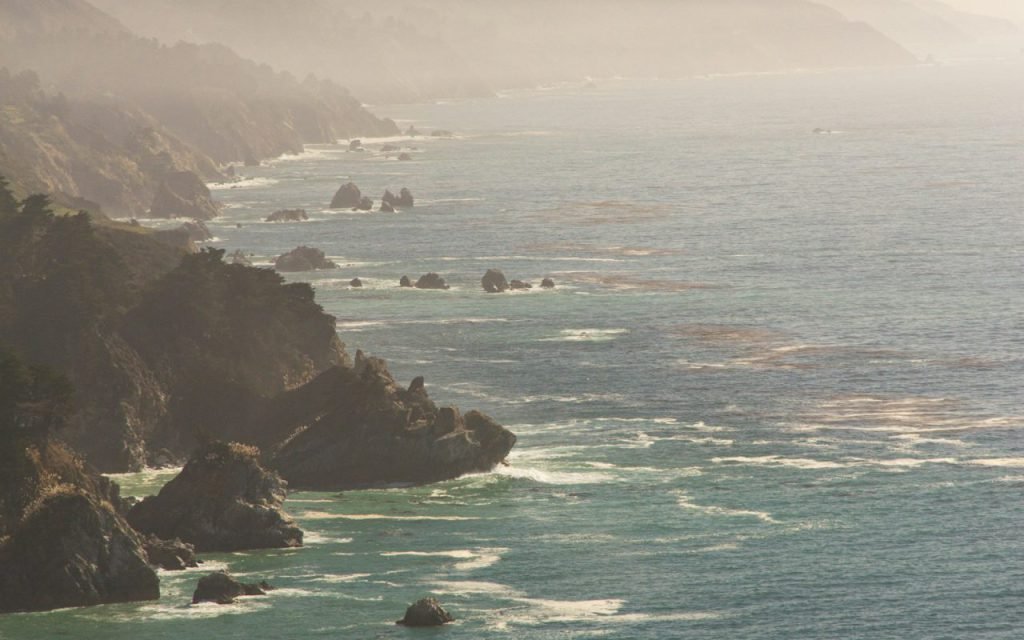
“Deep Water” focuses on about forty miles of coastline near Big Sur, an area of rocky cliffs, sea caves and dense underwater kelp forests. Rather than jumping between continents and species the way many big nature series do, it stays in one place and lets the story come to it. Over four years, the filmmaking team, led by marine biologist and director Hannah Weller, returned again and again to the same coves, reefs and tide pools.
That commitment pays off. Because the crew knew the area so well, they were able to follow individual animals over months and even years. We meet a sea otter mother raising a pup in the kelp, a colony of harbor seals that returns to the same beach each spring and a pod of dolphins that seems to recognize the crew’s boat. The film never names these animals or gives them human personalities, but by the end, you feel as if you know them.


The highlight
A single unbroken shot of a whale and her calf is the moment everyone will be talking about, and it deserves the attention.
About an hour into the film, a gray whale mother and her newborn calf pass close to the crew’s small boat during their spring migration north. Instead of cutting between angles, the filmmakers let one camera, held underwater by a diver, follow them for nearly four uninterrupted minutes. The calf drifts close to the lens, curious, while the mother watches. There is no music, only the muffled sound of the water and the low calls of the whales. It is one of the most beautiful things we have seen on a screen all year.
In a short interview after our screening, Weller said the crew waited eleven days in a row for that encounter. “We almost gave up,” she said. “Then on the last morning, they just appeared. We did not chase them. We let them decide how close to come.”
Nature documentaries remind us how much we still don’t know.
Our film critic
More than a pretty picture
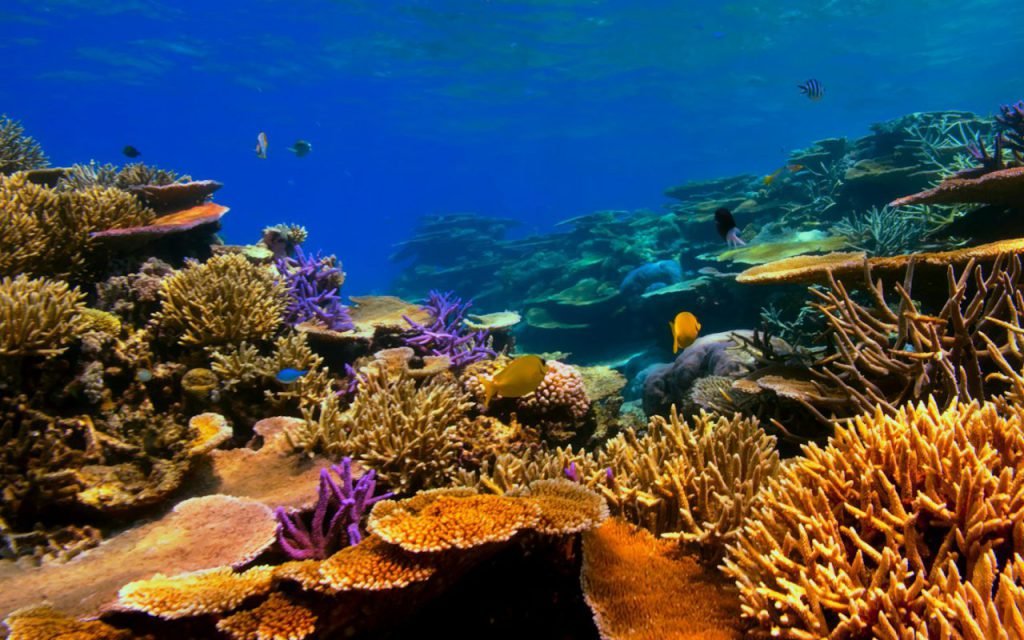
It would be easy for a film this gorgeous to coast on its images alone, but “Deep Water” has more on its mind. The narration, delivered in a calm, conversational voice, explains the science behind what we are seeing without ever feeling like a lecture. We learn how kelp forests can grow surprisingly fast in good conditions, how sea otters help keep those forests healthy by eating sea urchins and how storms reshape the shoreline from one year to the next.
The film is also honest about what scientists do not know. Several sequences end with open questions, such as why certain animals return to the exact same spot every year or how they find their way. That humility is refreshing. It treats the audience as curious adults rather than students who need every answer handed to them.
A gentle message
“Deep Water” touches on the challenges facing coastal ecosystems, but it does so lightly. There are no dramatic warnings or alarming graphics. Instead, the film shows us something worth caring about and trusts that we will care. A short final segment features a group of volunteers from a coastal town who clean beaches and monitor tide pools each weekend. It ends the film on a hopeful, practical note.
Watch it big
See it on the largest screen you can. “Deep Water” is currently playing in select theaters, including several large-format screens, and it will arrive on streaming later this season. If you have a chance to see it in a theater, take it. The scale of the images, especially the underwater sequences, is a big part of the experience.
If you are watching at home, a few simple steps will make a real difference:
- Turn off the lights and close the curtains. The film has many dark underwater scenes.
- Switch your TV’s picture setting to a movie or cinema mode for more natural colors.
- Use headphones or a sound system if you can. The sound design is subtle and immersive.
- Put your phone in another room. This is a film that rewards full attention.
Great for families
Rated G, “Deep Water” is suitable for all ages, and it is an excellent choice for a family movie night. Younger kids may lose focus during some of the quieter stretches, but the otters, seals and whales will win them back quickly. Older kids interested in science or animals will likely be riveted, and the film could easily spark a weekend trip to an aquarium or a tide pool.
Key takeaway: “Deep Water” proves that patience is the secret ingredient of great nature filmmaking. By staying in one place, it shows us more than films that travel the world.
How it was made
The making of “Deep Water” is almost as remarkable as the film itself. The crew was small, never more than seven people at a time, and much of the filming was done from a single twenty-six-foot boat and a rented beach cottage that served as the production office. Divers spent long hours in cold water, often waiting all day for an animal that never arrived. Weller told us that for every minute of footage in the final film, the team recorded roughly thirty-three hours of material, most of which showed nothing but drifting kelp.
The crew also followed strict guidelines to avoid disturbing wildlife. They kept their distance from resting animals, never fed or chased anything and worked with local researchers to make sure their presence did not interfere with nesting or feeding. That careful approach is part of why the animal behavior on screen feels so natural. The animals were simply going about their lives, and the camera happened to be there.
The score, used sparingly, is a mix of soft strings and recorded ocean sounds. During the biggest moments, the music drops away entirely, and the film trusts the images to carry the emotion. It is a confident choice, and it works.
Small quibbles
Our only real complaints are minor. The middle section, which focuses on the winter storm season, runs a little long, and a few transitions between sequences feel abrupt. Some viewers may also want more information about the people behind the camera. A short behind-the-scenes segment during the credits offers a glimpse, but we would happily watch a whole film about how the crew pulled this off.
The verdict
“Deep Water” is a stunning, thoughtful and deeply calming documentary that earns every minute of its runtime. It is a love letter to one small piece of the Pacific, and it reminds us how much wonder is waiting just off the shore. See it big, see it with someone you love and let it slow you down.
- Rating: 4.5 / 5
- Runtime: 1 h 32 min
- Rated G