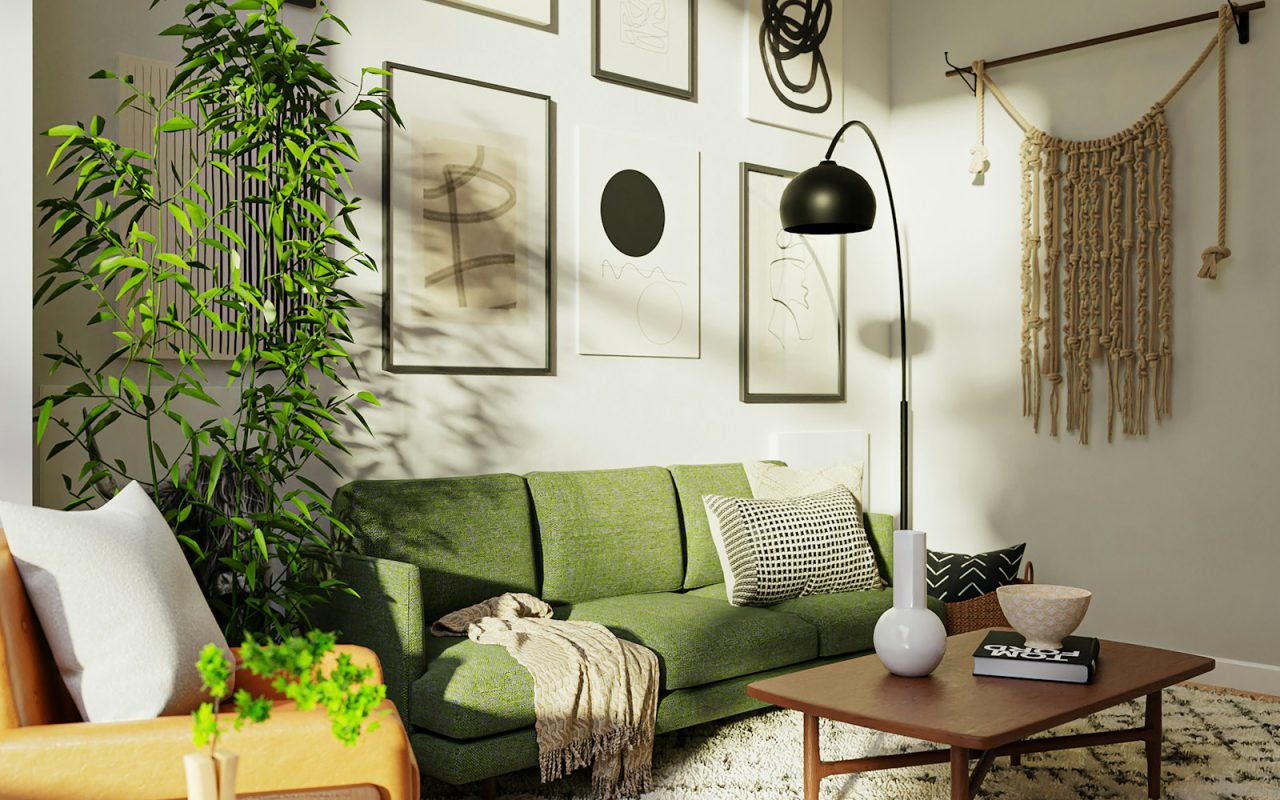

Small rooms do not need tiny furniture. They need fewer, better pieces, a little air around each one and light that bounces instead of disappearing. That was the first thing interior designer Priya Malhotra told us when we asked her how to make a compact living room feel generous, and it turned out to be the thread running through every piece of advice she gave.
Priya has spent fifteen years designing apartments and row houses in Philadelphia, where living rooms of eleven by thirteen feet are common and every square foot has to work hard. She has seen just about every small-space mistake there is, and most of them, she says, come from good intentions. People buy small things to save space, then buy more small things to fill the gaps, and end up with a room that feels like a crowded waiting room. The seven tricks below cost less than a new sofa, and together they can make a room feel twice its size.
Start by taking things out
Before you buy anything, empty the room as much as you can. Move the side tables, baskets, extra chairs and decorative odds and ends into the hallway, and then live with the room for a few days. Notice what you actually miss. Most people are surprised by how little that is.


Then bring back only the pieces that earn their place. A sofa, a comfortable chair, a coffee table, a lamp or two and a rug may be all the room needs. Every piece you leave out gives back floor space and visual calm, and in a small room, visual calm is the same thing as feeling spacious.
Most small rooms feel cramped because of too many small things, not because of the size of the room.
Priya Malhotra, interior designer
Lift everything off the floor
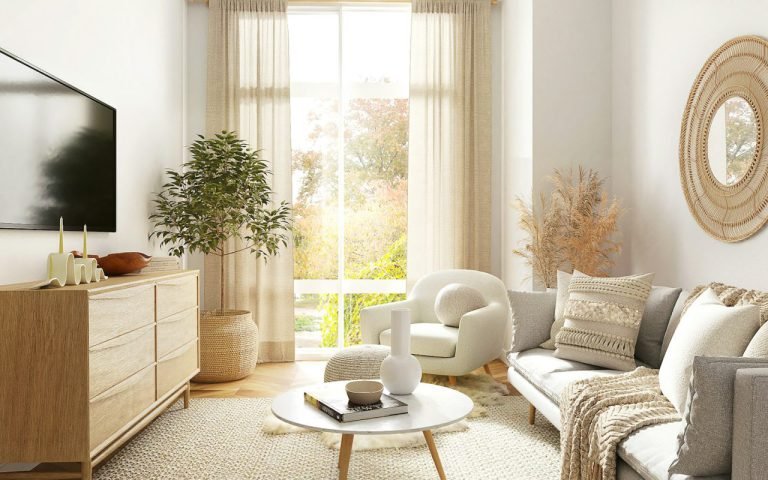
Sofas and chairs with legs let the eye travel under them, which makes the floor — and the room — look larger. Heavy, skirted furniture that sits flat on the floor reads as a solid block. Pieces raised on slim legs feel lighter, even when they are the same size.
The same idea applies to storage. A wall-mounted shelf or a floating media console keeps the floor clear beneath it. A console table with open legs feels far less bulky than a closed cabinet. Even lamps make a difference; a floor lamp with a slender stem takes up much less visual space than a wide table lamp on a chunky base.
Choose a few larger pieces
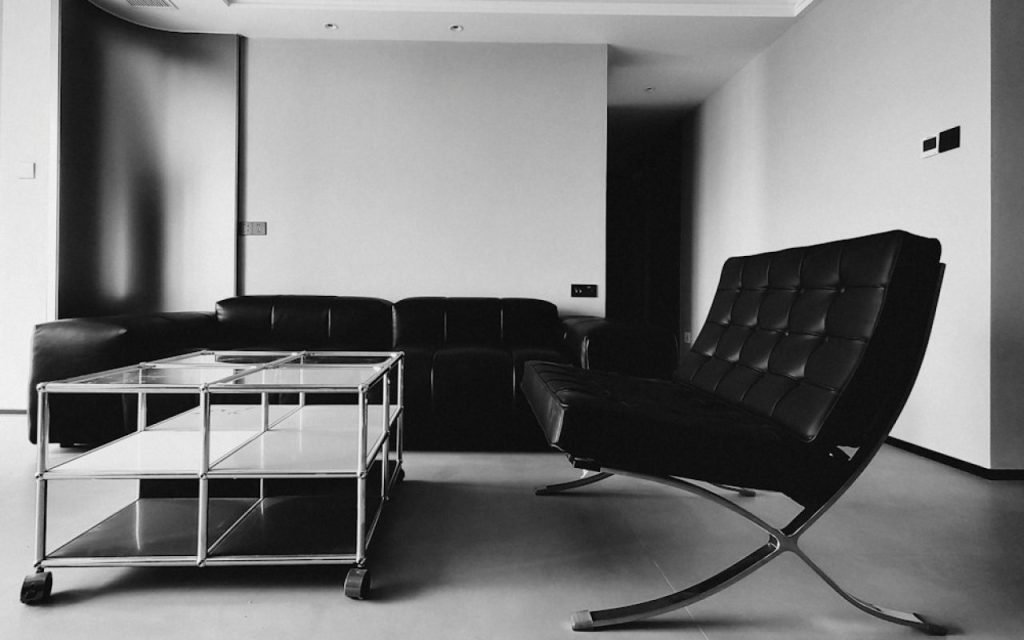
It sounds backward, but one generous sofa often makes a small room feel bigger than a loveseat plus two little chairs. Fewer pieces mean fewer edges, fewer gaps and less visual clutter. If you can only fit one sofa and one chair, choose ones that are truly comfortable and in proportion with the room.
One big rug, not three small ones
A rug that reaches under every piece of furniture pulls the room together. Small rugs chop it into pieces. This is one of the most common mistakes Priya sees, and one of the easiest to fix.
A good rule of thumb is to choose a rug large enough that at least the front legs of the sofa and every chair sit on it. In many small living rooms, that means a rug of eight by ten feet, which often feels shockingly big in the store. Once it is down, it defines the seating area and makes the whole room feel larger and more settled.
Choose a rug in a soft, light tone or a gentle pattern. Busy, high-contrast patterns can make a small room feel restless. A natural fiber rug in a warm neutral is a safe, beautiful choice for most spaces.
Hang curtains high and wide
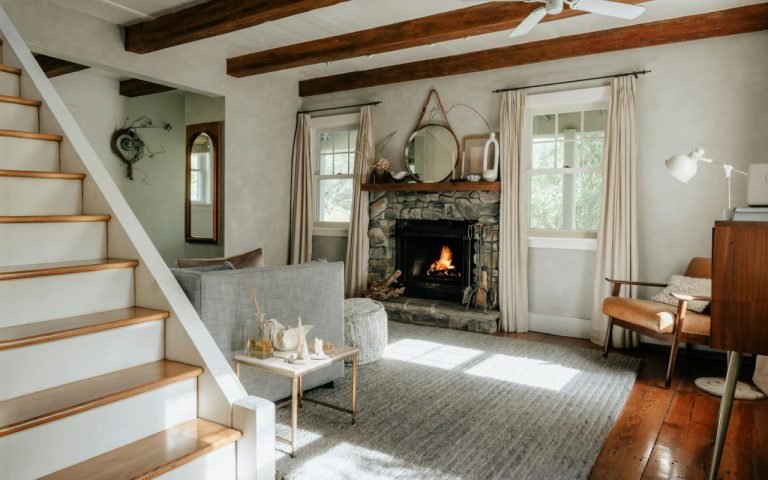
Mount the rod close to the ceiling and a foot past each side of the window. The window looks bigger and the ceiling higher. When curtains are open, they cover the wall rather than the glass, which lets in as much daylight as possible.
Let curtains just kiss the floor rather than stopping at the windowsill. Long, unbroken vertical lines draw the eye up and make the ceiling feel taller. Choose light, airy fabrics such as linen or cotton in pale colors, which soften the window without blocking light.
Make light bounce
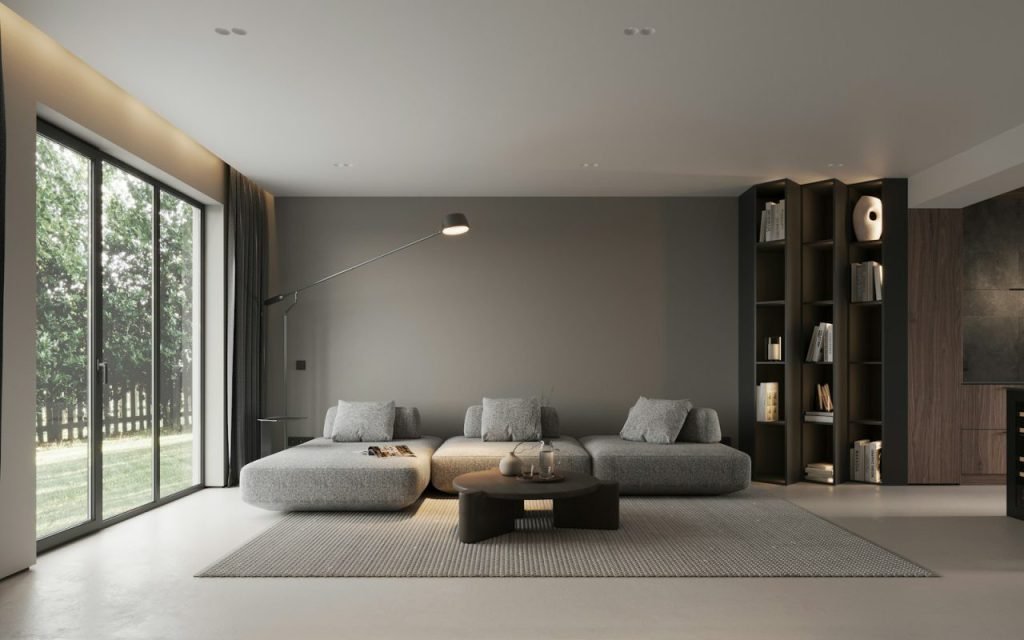
Light is the single greatest tool for making a small room feel bigger. In addition to opening up the windows, use pale wall colors that reflect daylight, and add lighting at several heights: a ceiling fixture, a floor lamp and a table lamp, for example. A room lit from one overhead source feels smaller and flatter than one with several soft pools of light.
Key takeaway: fewer, larger pieces, a generous rug and plenty of light will do more for a small room than any clever storage gadget.
Quick wins
Once the big decisions are in place, a few small changes can push the feeling of space even further. These are Priya’s favorite quick fixes, most of which you can do in an afternoon:
- Choose one large piece of art instead of many small ones
- Use a round coffee table — easier to walk around
- Add a mirror across from the window
- Keep the sofa away from the wall by a few inches
- Paint walls and trim in similar light colors so edges blur
- Store books and baskets on one tall shelf instead of several short ones
The mirror trick is especially powerful. Placed across from a window, a large mirror doubles the daylight in the room and reflects the view, making it feel as though the room continues past the wall. Pulling the sofa a few inches away from the wall may seem counterintuitive, but it creates a little breathing room that makes the arrangement look intentional rather than pushed aside.
Keep it calm day to day
Even the best layout will feel cramped if the surfaces are covered. Give everything a home. A lidded basket for blankets, a small tray for remotes and keys and a single shelf for books and treasures can keep clutter from creeping back. Spend five minutes each evening returning things to their places, and the room will feel spacious every morning.
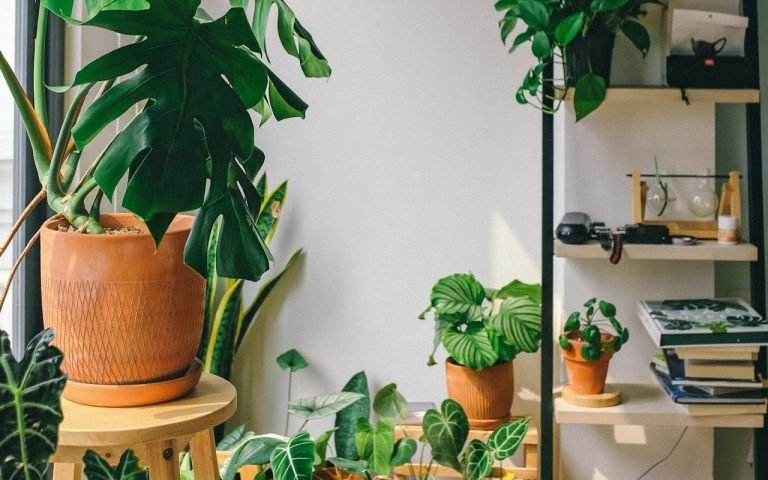
Plants are welcome, too, but choose one or two larger ones over a crowd of small pots. A tall plant in a corner adds height and life without stealing floor space.
Priya’s final advice is to make changes one at a time and live with each for a week. “Rooms are like people,” she says. “They need a little time to settle. Move the rug, then sit there for a few evenings and notice how it feels. You’ll know what to do next.”
Small room, big welcome
A small living room has real advantages. It is cozier, easier to heat, quicker to clean and naturally encourages conversation. The goal is not to make it feel like a grand hall but to make it feel open, light and easy to live in.
Start by taking things out, lift what remains off the floor, ground it with one big rug and let the light pour in. With those few changes, and a little patience, your small living room may soon feel like the most generous room in the house.










Thanks for explaining this so clearly.
Great reporting — please keep following this story.