
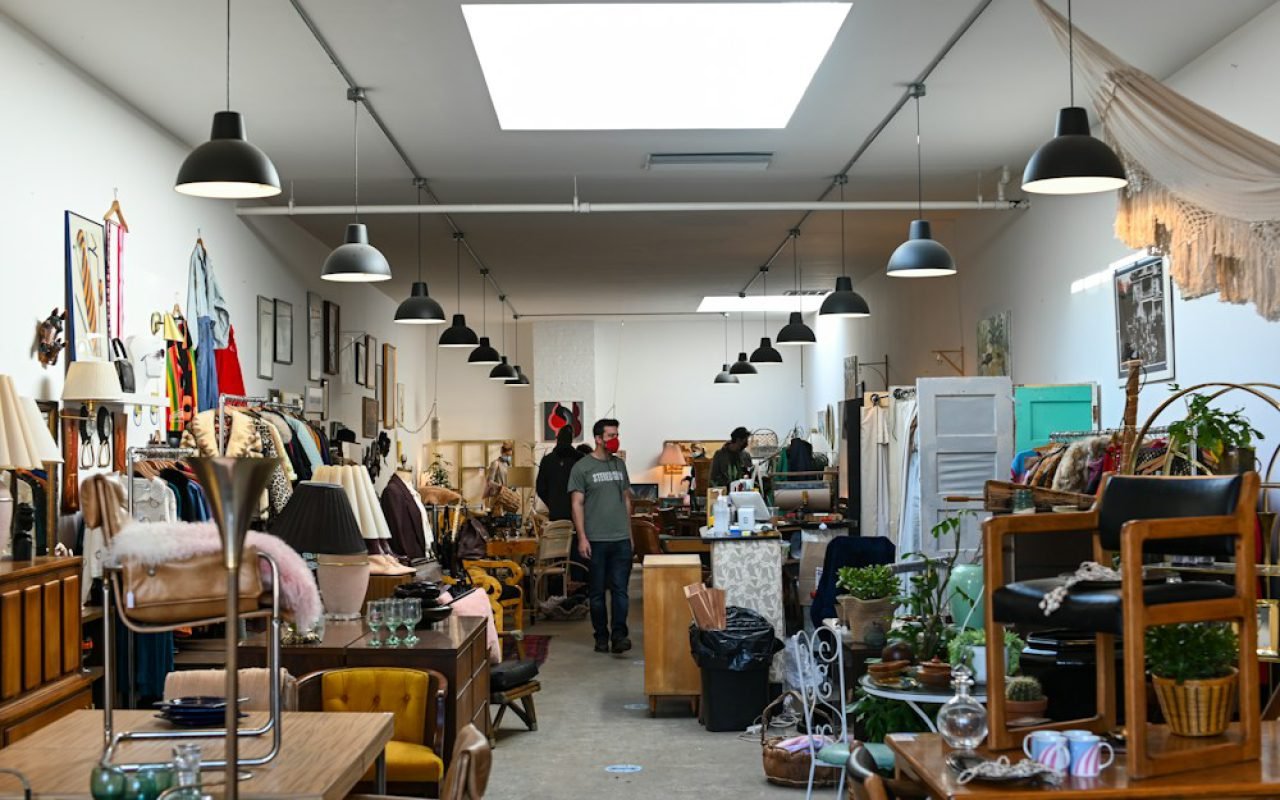
Secondhand shopping is good for your wallet and the planet. A few habits help you find the gems. Every stylist we know has a story about a perfect camel coat found for $18 or a silk blouse that turned out to be better made than anything in their closet. Those finds are not pure luck. They come from knowing where to look, what to touch and when to walk away. The good news is that every one of those skills can be learned, and you do not need a stylist’s budget or schedule to use them.
We asked our contributing stylist, Ava Monroe, to walk us through the way she shops thrift stores, consignment shops and vintage markets. Her advice below works whether you are building a capsule wardrobe, hunting for a one-of-a-kind piece or simply trying to buy less new.
Check the fabric first
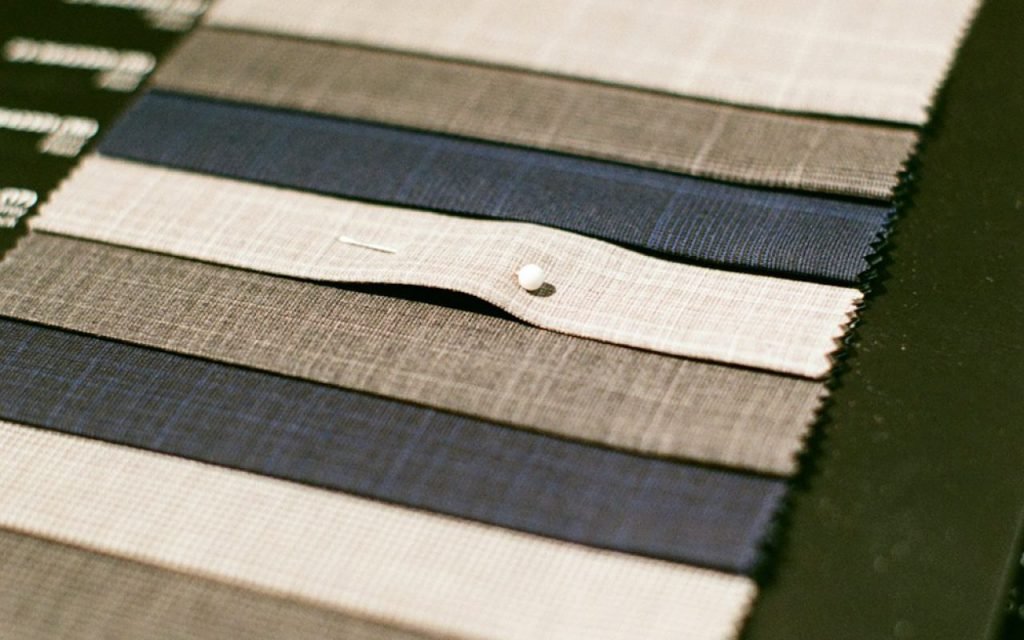
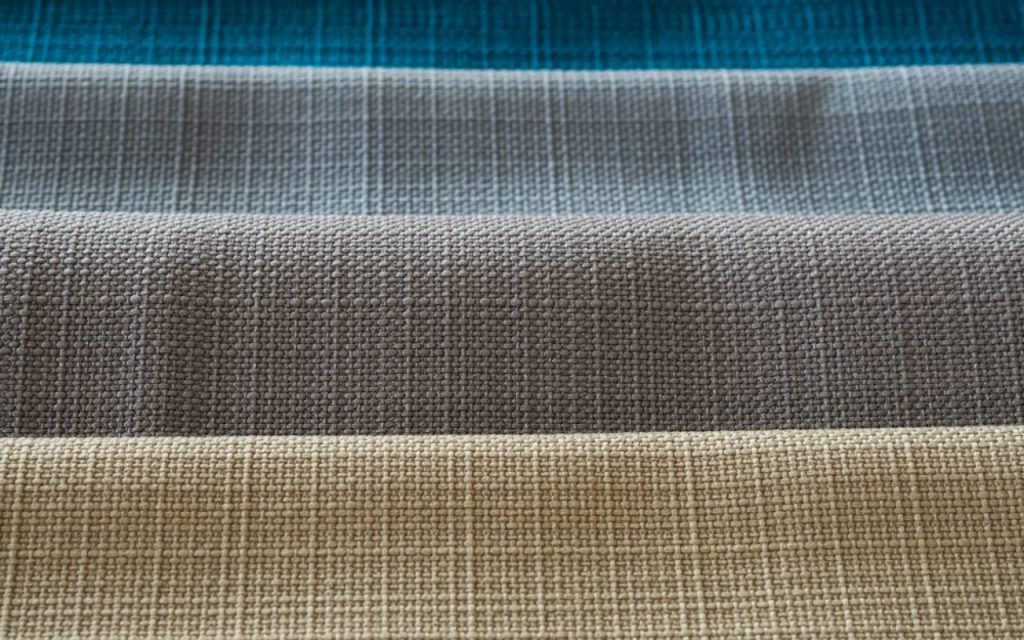
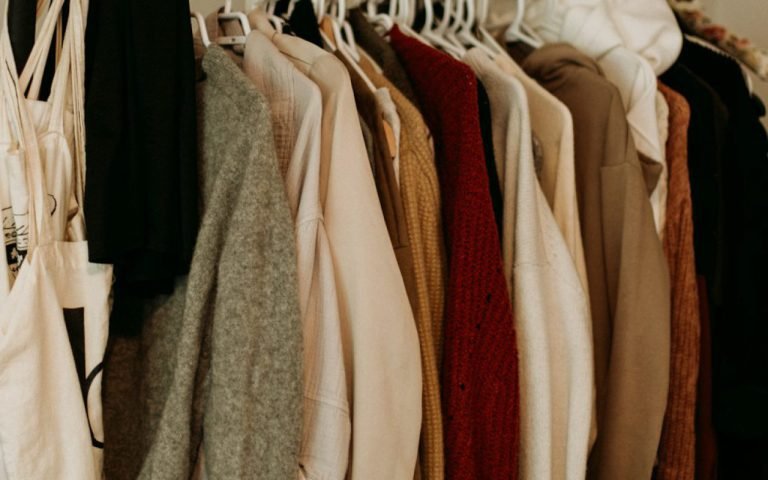
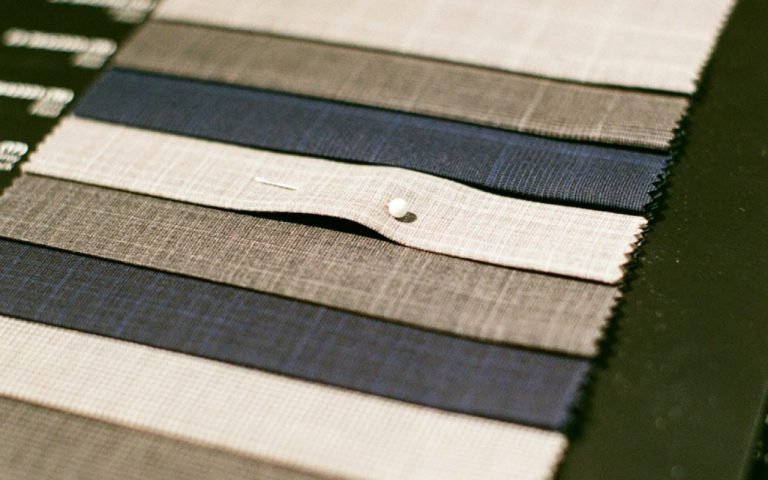
Wool, linen, silk and cotton age beautifully. Read the labels before the price tags. This is the single habit that separates a stylist from a casual browser. Many secondhand racks are organized by size or color, and the eye naturally goes to shape and pattern. But the fabric tells you how a piece will wear, wash and last.


Run your hand along the rack as you walk. Natural fibers tend to feel different from synthetics: wool has a slight spring, linen feels crisp and cool, silk is smooth and warm to the touch. When something catches your hand, stop and look at the content label. A coat that is mostly wool, a shirt in one hundred percent cotton or a dress in silk is worth a closer look, even if the color is not quite right at first glance.
Older garments are often made of heavier, more durable materials than many fast-fashion pieces today. That makes secondhand racks a surprisingly good place to find quality basics such as wool trousers, cotton button-downs and cashmere sweaters.
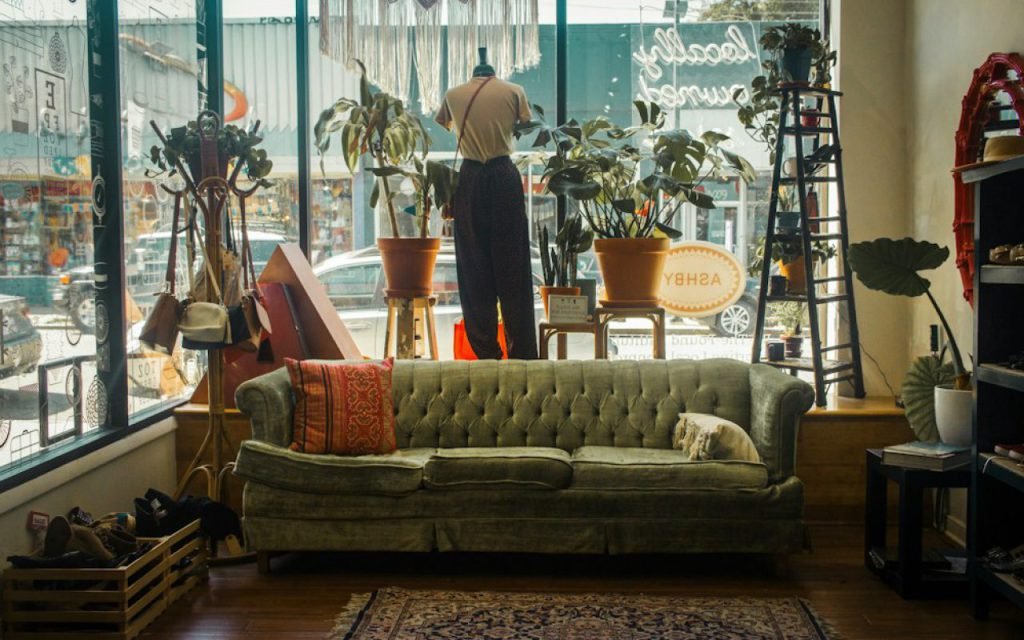
The best thrift finds come from the racks everyone else walks past.
Ava Monroe, stylist
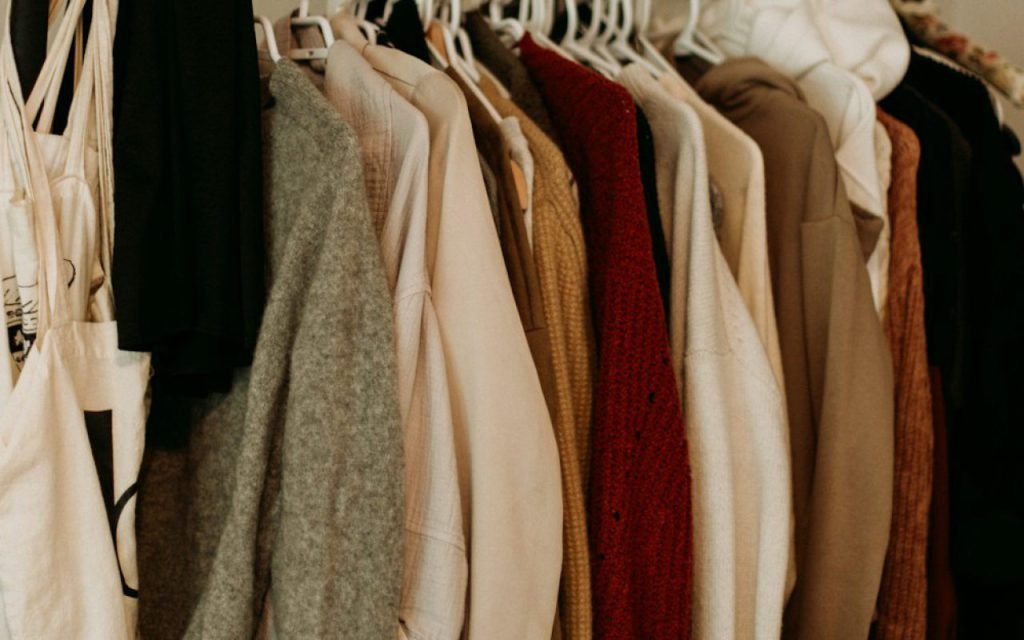
Ava means that literally. The men’s section is a goldmine for oversized blazers, cardigans and crisp shirts. The size racks just above and below your own often hide pieces that would fit beautifully with a small alteration. And the housewares corner sometimes has vintage scarves and belts mixed in with the linens.
Go often, buy rarely
Stock changes daily. Regular quick visits beat rare long hunts. Most thrift stores put out new donations every day, and the best pieces tend to sell within hours. A twenty-minute visit once a week will turn up more treasures than a four-hour marathon once a season.
Going often also helps you buy less. When you know you will be back next week, there is no pressure to grab something just because it is cheap. Stylists treat secondhand shopping like a long game. They have a mental list of what they are looking for, and they wait until the right version appears.
A few timing tips can help, too. Many shops restock on weekday mornings, which means fresh racks and fewer shoppers. Stores in neighborhoods with lots of new construction or downsizing households often get high-quality donations. Seasonal turnover also matters: early fall is a great time to find coats and knits, because people clear out their closets as the weather changes.
Thrift checklist
Before you head to the register, run through this quick checklist. It takes a minute and saves many regrets.
- Feel the fabric
- Check seams and zippers
- Try it on — sizes vary by decade
- Look for stains in good light, especially at the collar and underarms
- Check for moth holes by holding knits up to a window
- Smell it; musty odors can usually be washed out, but smoke can be stubborn
- Ask yourself if you would buy it at full price
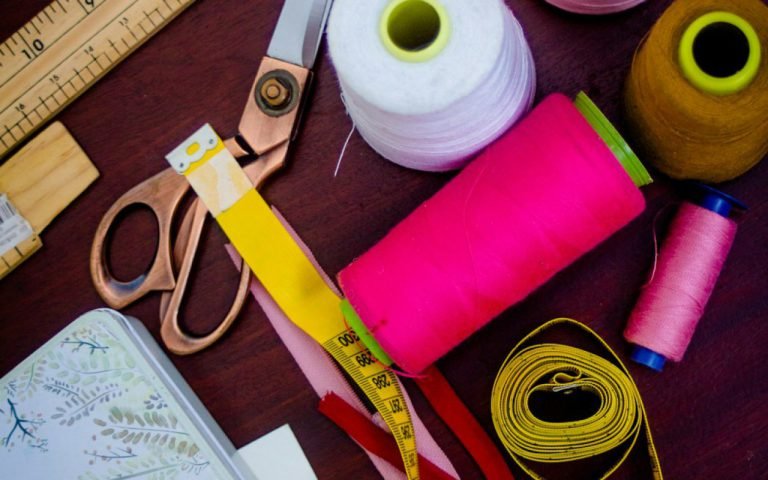
Sizing deserves a special note. A size 10 from the 1980s may fit very differently from a size 10 today, and vintage European sizes follow their own rules. Ignore the number and trust the fitting room. If there is no fitting room, a measuring tape in your bag is a stylist’s secret weapon. Know your key measurements before you go.
Think like a tailor
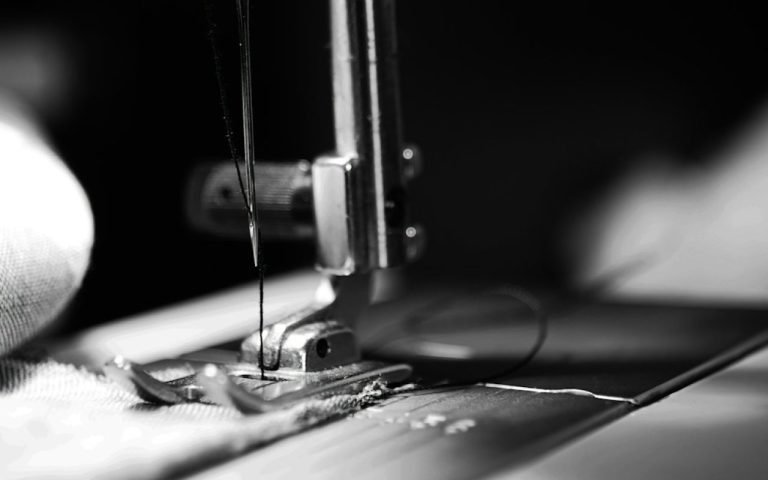
Stylists rarely buy secondhand pieces expecting them to be perfect off the rack. They look for good bones. A blazer with great fabric and shoulders that fit can be transformed with a new set of buttons and a sleeve adjustment. Trousers that are too long are an easy hem. A dress with a dated hemline can often be shortened.
What is hard to fix? Shoulders that are too big or too small, armholes that are cut too tightly and fabric that is worn thin or shiny. Those are the flaws to walk away from, no matter the price.
Key takeaway: buy for fabric and fit through the shoulders. Almost everything else can be adjusted for a reasonable price.
Where to shop beyond the thrift store
Thrift stores are only one part of the secondhand world, and each type of shop rewards a different strategy. Charity thrift stores offer the lowest prices and the widest mix, which means more digging but more surprises. Consignment shops are curated, so prices are higher, but the condition is usually better and the brands are often more consistent. Vintage boutiques specialize in older pieces and often organize by decade, which is helpful when you know exactly what you want.
Flea markets and weekend swap meets are where many stylists find accessories: leather belts, silk scarves, costume jewelry and well-made bags. Bring cash in small bills, arrive early and do not be afraid to ask politely whether a price is firm. Clothing swaps with friends or neighbors are another favorite. Everyone brings a few pieces in good condition, and everyone leaves with something new to them, for free.
Online resale can work well too, but it rewards a slightly different set of habits. Search by fabric and measurements rather than size, read the condition notes carefully and look at every photo before you buy. Save searches for the specific pieces on your list, and check return policies, since not every seller accepts them.
Caring for your finds
Once you bring something home, give it a fresh start. Wash or clean it according to the care label. For delicate items without a label, a gentle hand wash in cool water is usually the safest choice, or take them to a dry cleaner. Air out wool coats on a hanger for a day or two. Replace any missing buttons right away, before you forget.
Many shoppers also keep a small basket for “almost ready” pieces, items that need a stitch, a hem or a stain treatment. Set aside an evening each month to work through it, or bring the pile to a local tailor all at once.
Shop with intention
The best secondhand shoppers are not the ones who buy the most. They are the ones whose finds get worn for years. Go in with a short list, touch everything, check every seam and give yourself permission to leave empty-handed. The perfect coat will show up eventually, probably on a rack that everyone else walked past.
Your wallet will thank you, your closet will feel more personal, and fewer good clothes will end up in a landfill. That is a lot of value for a twenty-minute stop on the way home.




Sharing this with my friends.
Saved this one for later. Really useful.