

Tidewater Interactive is opening a new studio in Denver dedicated to accessibility features, and it plans to release its tools free to other developers. The studio, announced Tuesday, will employ about 40 people, including engineers, designers, researchers and testers, and will focus entirely on building features that help disabled players enjoy games. The company said the tools will be released as open source, meaning any developer, from a solo hobbyist to a large publisher, can use and adapt them at no cost.
The announcement drew quick praise from accessibility advocates and fellow developers, many of whom have long argued that accessibility features should be shared across the industry rather than rebuilt by every studio from scratch.
A studio with one job
Tidewater Interactive, best known for the turn-based strategy game Ironclad Tactics, has offered accessibility options in its own games for several years. The new studio marks a much larger commitment. Rather than adding features near the end of a project, the Denver team will build reusable systems that any game can adopt from the start.


The studio will be led by Priya Raman, who has headed accessibility at Tidewater for the past four years. She said the idea came from watching other small studios struggle to add basic features because they lacked the time, money or expertise.
Accessibility shouldn’t be a competitive advantage. It should be the floor.
Priya Raman, head of accessibility at Tidewater
“Every studio shouldn’t have to reinvent subtitles,” Raman told us in an interview. “If we build something good once and share it, everyone gets better. Players don’t care who made the tools. They care whether they can play.”
The studio will occupy two floors of a renovated warehouse in Denver’s River North neighborhood. Tidewater said the space was designed with accessibility in mind, including step-free entrances, adjustable desks, quiet rooms and flexible lighting.
Shared tools
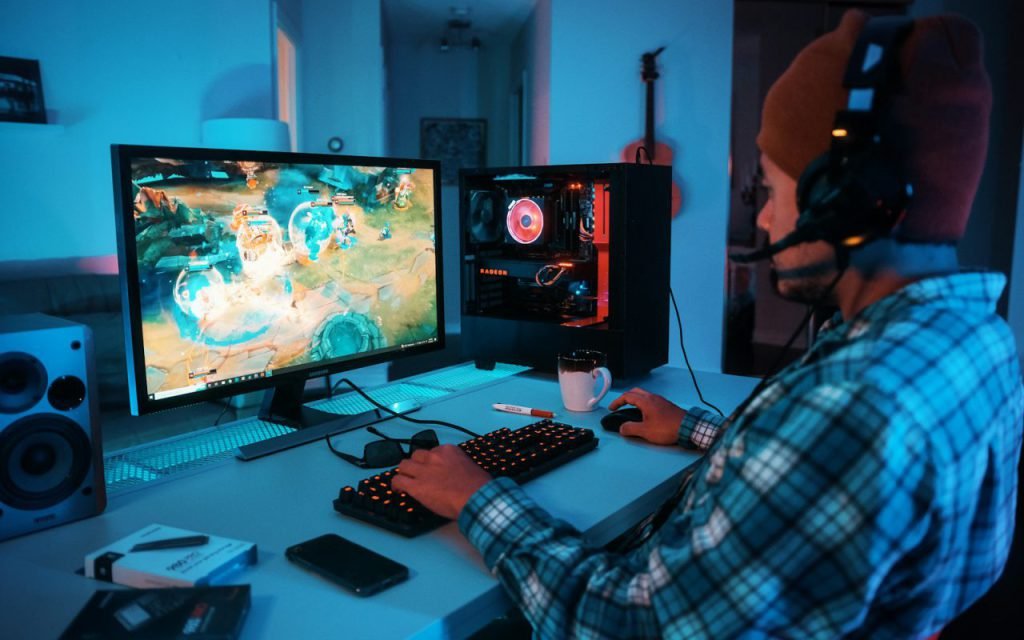
Subtitles, colorblind filters, one-handed control layouts and screen-reader menus will be open source. Tidewater outlined the first set of tools it plans to release:
- Subtitle system. Customizable subtitles with adjustable size, background opacity, speaker names and sound captions, such as footsteps behind you or a door opening.
- Colorblind filters. Filters and palette options for common types of color vision deficiency, along with guidelines for designing games that never rely on color alone.
- One-handed layouts. Control presets that let players complete a game with one hand, plus a full remapping system that works with controllers, keyboards and adaptive devices.
- Screen-reader menus. Menus that announce every option aloud, so blind and low-vision players can navigate settings, inventory and maps independently.
- Difficulty and assist options. Settings to slow down gameplay, extend timers, skip difficult sections or add aim assistance, which help players with a range of motor and cognitive needs.
The tools will be built to work with the most popular game engines and will be released in stages over the next two years, starting with the subtitle system later this year. Tidewater said documentation, sample projects and free online workshops will accompany each release.
Players helped design it
The team spent a year testing with disabled players before writing a line of code. Raman’s group worked with more than 200 players who have a wide range of disabilities, including blind and low-vision players, Deaf and hard-of-hearing players, players with limited mobility and players with cognitive and learning disabilities.
Testers took part in interviews, play sessions and long-term diaries, describing what made games difficult and what made them welcoming. Many of the tools on Tidewater’s roadmap came directly from those sessions.
“They told us things we never would have guessed,” Raman said. “One tester said the hardest part of many games wasn’t the gameplay. It was the settings menu, because she couldn’t read it to turn on the features she needed. That’s why screen-reader menus are near the top of our list.”
Marcus Bell, a Colorado gamer who plays with one hand after a stroke, was among the testers. He said being involved from the beginning made a real difference. “Usually you find out about accessibility features after the game comes out, and half the time they don’t work for you,” he said. “This time they asked first. That’s rare.”
Tidewater said testers were paid for their time and will continue to review every tool before it is released. The studio also plans to hire several disabled designers and testers as full-time staff.

Why open source matters
Open source software is shared publicly so anyone can use it, study how it works and improve it. For accessibility, advocates say that approach could have a large impact, especially for small studios that cannot afford dedicated accessibility teams.
Large publishers often have the resources to build accessibility features themselves. Small and mid-sized studios, which now make a large share of the games people play, often do not. A free, tested toolkit could make basic features standard across thousands of games rather than a handful of big releases.
Alicia Romero, who runs a nonprofit in Austin that helps disabled players find accessible games, called the announcement a meaningful step. “The biggest barrier we see isn’t that developers don’t care,” she said. “It’s that they don’t know where to start, or they think it’s too expensive. Free tools with good documentation remove both excuses.”
Key takeaway: if the tools work as promised, players could soon see consistent subtitles, colorblind support and remappable controls in far more games, including small indie releases.
Questions that remain
Some developers have raised questions about how the tools will be maintained over time and how they will fit into existing projects. Open source projects often depend on contributions from outside developers, and keeping them up to date with new engine versions requires steady work.
Raman said Tidewater has committed to funding the Denver studio for at least five years and will publish a public roadmap so developers can plan ahead. The company also plans to accept contributions from outside developers and to work with other studios on shared standards.
Others point out that tools alone cannot guarantee good results. A subtitle system is only helpful if developers write accurate captions, and a remapping system only works if every action in a game can be remapped. Raman agreed, saying the studio’s workshops and design guides will be just as important as the code itself. “A tool is a starting point,” she said. “We want to teach good habits, too.”
Industry observers will also watch whether other large companies follow Tidewater’s lead. Several studios have released individual accessibility tools in the past, but a dedicated team building a complete, shared toolkit is unusual.
What comes next
The Denver studio will begin hiring this month, with roles in engineering, design, research, quality assurance and community support. Tidewater said it is particularly interested in applicants with lived experience of disability. The first public release, the subtitle system, is expected before the end of the year, with colorblind filters and one-handed control layouts to follow next spring.
We will follow the project as it develops and will test each release as it arrives. For players who have spent years hoping studios would take accessibility seriously, the message from Denver is encouraging. As Raman put it, accessibility should not be a competitive advantage. It should be the floor.









Thanks for explaining this so clearly.
Great reporting — please keep following this story.