
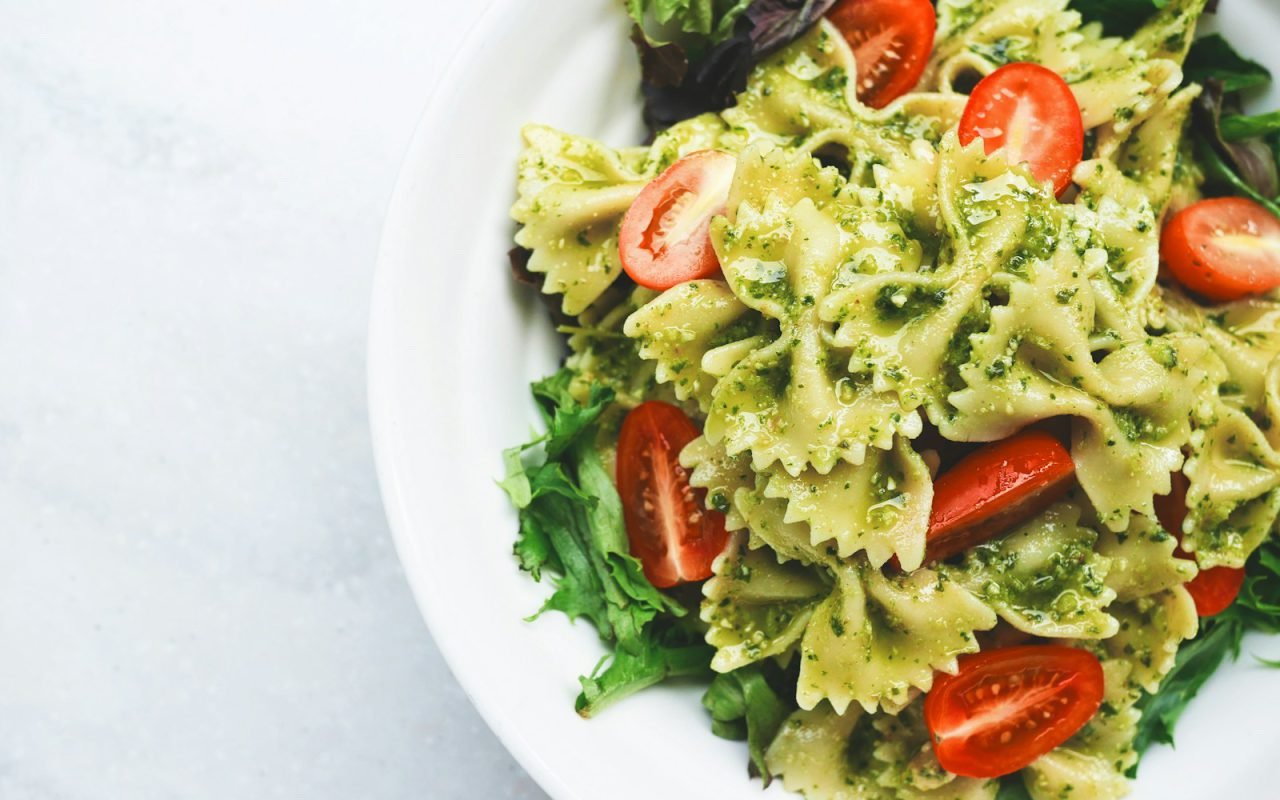
A pasta salad that survives the fridge. The trick is dressing the pasta while it is still warm so it soaks up the pesto instead of drying out. Make it on Sunday, eat it until Wednesday, and you will notice something strange: it actually tastes better on day two. This bow-tie pesto pasta salad is bright with lemon, sweet with cherry tomatoes and green with baby spinach, and it is the recipe I lean on most when a busy week is coming and I know I will not have time to cook.
For years, my meal prep lunches were sad. Rice that turned hard in the fridge, salads that wilted by Tuesday, sandwiches that were soggy by noon. Pasta salad seemed like the answer, but most versions I tried went dry and bland within a day. This one is different because of a few small choices: the shape of the pasta, when you add the dressing and which ingredients go in last. Each of those choices is explained below, so you can adapt the recipe to whatever is in your fridge.


Why bow ties work best
Farfalle, or bow-tie pasta, is perfect for a make-ahead salad. The pinched center stays slightly firm while the wings soften, so the pasta keeps a pleasant bite even after a few days in the fridge. Those little folds also trap pesto and bits of Parmesan, which means every forkful is well dressed. Rotini, orecchiette and medium shells are good substitutes. Avoid long noodles like spaghetti, which clump together when cold, and very small shapes that can turn mushy.
Cook it just tender
Cook the pasta in plenty of well-salted water and start tasting a minute or two before the package says it is done. You want it tender but not soft, since it will keep absorbing moisture from the dressing as it sits. Do not rinse it under cold water. Rinsing washes away the surface starch that helps the pesto cling, and it cools the pasta too quickly to soak up flavor.
Ingredients
- 1 lb farfalle
- 1 cup basil pesto
- 1 pint cherry tomatoes, halved
- 2 cups baby spinach
- 1/2 cup grated Parmesan
- Juice of 1 lemon
Store-bought pesto works perfectly well here; look for one in the refrigerated section, which usually tastes fresher than shelf-stable jars. If you have a big bunch of basil, homemade is even better. Blend 2 packed cups of basil, a small garlic clove, a quarter cup of toasted pine nuts or walnuts, half a cup of Parmesan and about half a cup of olive oil with a pinch of salt. You will also want salt and black pepper to season the finished salad.
How to make it
- Cook the pasta until just tender and drain, saving a little water.
- Toss the warm pasta with the pesto, lemon juice and a splash of pasta water.
- Let it cool for 10 minutes, then fold in the tomatoes, spinach and Parmesan.
- Pack into containers. It keeps for four days in the fridge.
The warm toss
This is the most important step. When pasta is warm, its surface is slightly open and thirsty, and it absorbs the oil, garlic and basil in the pesto. Cold pasta just gets coated, and the sauce slides off or soaks in unevenly overnight. Add the pesto, lemon juice and two or three tablespoons of the reserved pasta water, then toss well with a big spoon. The starchy water loosens the pesto into a creamy coating that will not turn greasy.
Why wait to add the vegetables
Ten minutes of cooling makes a big difference. If you fold baby spinach into steaming pasta, it wilts instantly and turns dark. Tomatoes can get mushy and Parmesan clumps into strings. Once the pasta is just warm, the spinach softens a little but keeps its color, the tomatoes stay fresh and the cheese melts gently into the dressing.
Meal prep that lasts the week
This salad was made for meal prep, and a little planning makes it even better. Here is how I set up my week:
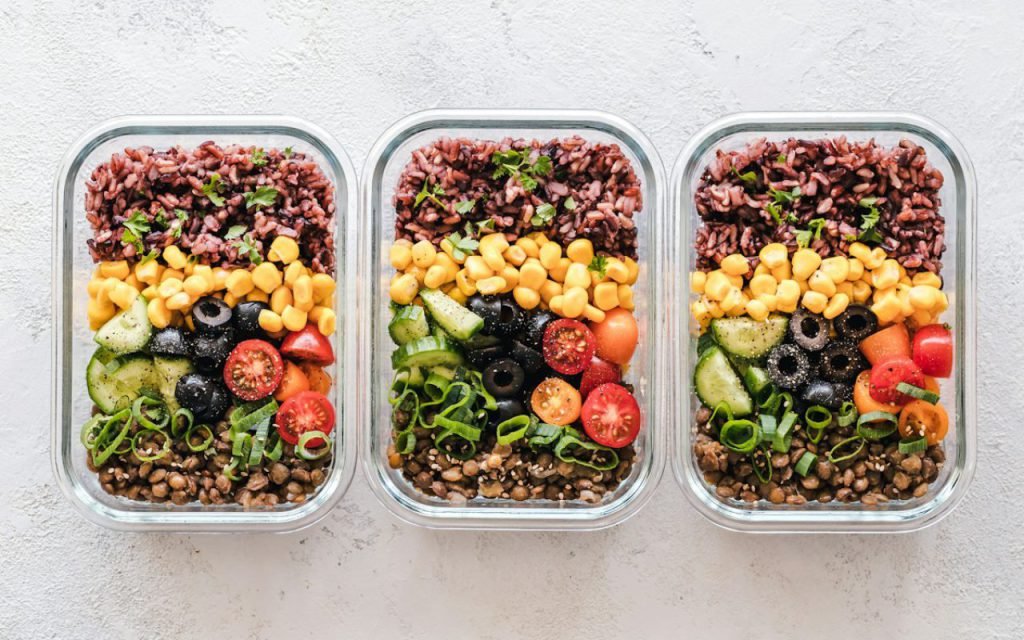
- Divide the salad into five or six glass containers with tight lids, so lunches are grab-and-go.
- Keep a small jar of extra pesto mixed with a squeeze of lemon. A spoonful revives the salad on day three or four.
- Pack a separate little container of extra Parmesan or a few toasted nuts for crunch.
- Label the containers with the date, so you know which ones to eat first.
- Keep the salad cold, and use an ice pack in your lunch bag if it will sit out for more than a couple of hours.
Why does it taste better on day two? As the salad rests, the lemon and garlic soften, the basil flavor spreads through the pasta and the tomatoes release a little juice that mixes into the dressing. Day one is good. Day two is excellent. By day four, it is still very good, especially with that extra spoonful of pesto stirred in before eating.
Key takeaway: dress the pasta warm, cool it briefly, then add the fresh ingredients, and you will have a salad that holds up beautifully all week.
Great for gatherings too
It is not only for lunches. This salad is a reliable dish to bring to a potluck, a picnic or a backyard barbecue. It travels well, it does not need to be served hot and it pairs with almost anything from grilled chicken to burgers. Double the recipe for a crowd and serve it in a wide, shallow bowl with a few whole basil leaves on top.
For outdoor events, food safety matters. Keep the salad in a cooler until you are ready to serve, set the bowl in the shade and avoid leaving it out for more than two hours, or one hour on a very hot day. A bowl nested inside a larger bowl of ice is an easy way to keep it chilled on a long summer afternoon. Bring a big serving spoon and a small container of extra pesto to refresh it if it starts to look dry.
Make it your own
The basic formula is pasta, pesto, something bright, something green and something salty. Once you know that, you can change it with the seasons. In summer, add grilled corn and diced zucchini. In fall, try roasted butternut squash and toasted pumpkin seeds. Mini mozzarella balls, jarred artichoke hearts, sliced olives or roasted red peppers are all wonderful additions. And if you want the salad to keep you full until dinner, our recipe tester has a simple upgrade.
Swap the spinach for arugula and add a cup of white beans for extra protein.
Recipe tester Molly Grant
Arugula brings a gentle peppery bite, and white beans make the salad more filling without changing its fresh, bright flavor. Rinse and drain canned beans well before adding them. For more protein, sliced grilled chicken or a few hard-boiled eggs on the side also work well.
If you have dietary needs, this recipe is easy to adapt. Use a gluten-free pasta made from corn and rice, which tends to hold up best when chilled. For a nut-free version, choose a pesto made without pine nuts or make your own with sunflower seeds. To keep it vegetarian, check that your Parmesan is made without animal rennet, or use a vegetarian hard cheese.
Whatever version you make, I hope it brings a little calm to your busy weeks. Use the servings scaler on the recipe card if you are feeding a bigger household, and check this week’s meal plan for ideas on what to cook alongside it.






Thanks for explaining this so clearly.
Great reporting — please keep following this story.