Echo Divers sends a team of four into a flooded research station. The monsters hunt by sound, so every footstep, and every voice chat joke, matters. That simple rule turns an ordinary co-op horror setup into one of the most nerve-racking games we have played in years. Over 18 hours with Echo Divers, we whispered, hid, panicked, laughed until we cried and, on more than one occasion, got our entire team killed because someone could not stop giggling at the wrong moment. It is a game that turns your own voice into a weapon, and sometimes into a liability.
Deepwater Collective, a small studio of about twenty developers, has built its debut around a single, brilliant idea and polished it to a shine. It is not perfect, but when it works, it is unforgettable.


Silence is a weapon
Proximity voice chat means your friends can hear you scream from the next room. So can the monsters. In Echo Divers, your voice travels through the game world just like any other sound. Speak normally and your teammates nearby can hear you clearly. Shout and the sound carries through corridors, flooded vents and metal walls, drawing anything that might be listening.
The creatures that stalk the station are blind. They navigate entirely by sound, and the game’s audio design makes their presence terrifyingly clear. You hear their clicks echoing through pipes, the scrape of claws on metal grating and the wet slap of something moving through water just out of sight. When one gets close, the whole mix shifts, music fading away until all you can hear is your own breathing and the creature’s slow, deliberate movement.
Every action creates noise. Running is louder than walking. Opening doors makes a metallic groan. Dropping a wrench sends a clang echoing down the hall. Even swimming is loud if you splash. You learn quickly to move slowly, communicate in whispers and use noise deliberately, like tossing a can to lure a creature away from a doorway your friends need to pass through.

Diving into the station
Each expedition sends your team into a procedurally arranged section of the station to recover research data, restore power and escape before the water rises. The layout changes every run, but the station’s handcrafted rooms, labs and maintenance tunnels feel carefully designed rather than random. Over time, you learn the logic of the place, which makes each new run feel like exploring a real location.
Roles add another layer. One player carries a sonar tool that maps the surroundings but makes a loud ping. Another operates a portable generator that powers doors but hums constantly. A medic can revive fallen teammates, though the process is slow and noisy. Coordinating these roles while trying to stay quiet produces some of the tensest and funniest moments in any game this year.
Water is more than scenery. Each section of the station floods gradually, and rising water changes both movement and sound. Wading through knee-deep water is slow and loud, while fully submerged corridors muffle everything, which can make them strangely safe places to hide. Some of our best escapes came from diving into a flooded room and holding our breath while a creature passed overhead, listening to its clicks fade away.
The progression system is light but satisfying. Successful runs unlock new gear, cosmetic diving suits and additional sections of the station, which gradually reveal what happened to the research team that disappeared there. The story is told through audio logs and environmental details, and it is genuinely eerie.
We spent ten minutes perfectly silent, then my friend sneezed. Nobody survived. It was the best night of gaming I have had all year.
Dana Kim, senior games reviewer
Even better in VR
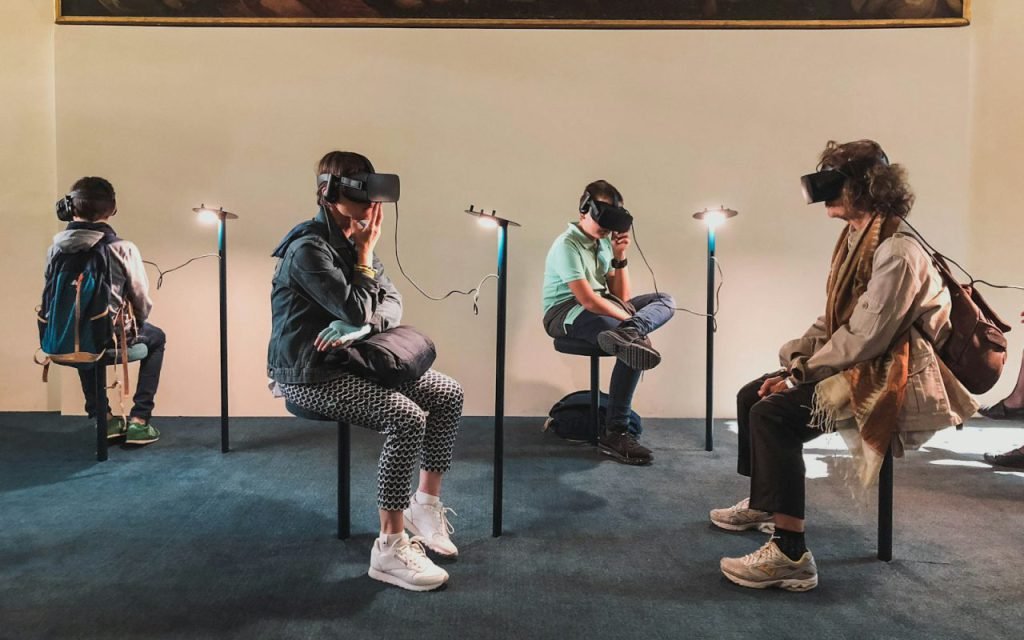
The VR mode is optional, but leaning around a corner with a flashlight is unforgettable. In virtual reality, the station surrounds you, the flooded corridors feel claustrophobic and the creatures feel uncomfortably close. Physically ducking behind a lab counter while something scrapes past is an experience that few horror games can match.
VR and flat-screen players can play together, which is a major strength. Your group does not need four headsets to enjoy the game. In our sessions, one player in VR often took the role of scout, peeking around corners and reporting back in whispers, while others played on PC. Deepwater has also included a range of comfort settings for VR, such as teleport movement and snap turning, which help players who feel motion sickness.
Hand tracking adds small, clever touches. You physically cover your mouth to muffle a cough, reach out to steady a swaying lamp so it stops creaking and hold your breath underwater by keeping your hand over your face. These details are minor on paper, but they make the VR version feel like a different game.
We recommend VR players take regular breaks, especially during long sessions. The intensity of the experience, combined with headset weight, can be tiring.
What we liked
- Genuinely scary
- Brilliant sound-based AI
- Great with friends
Echo Divers is one of the few horror games that remains frightening after many hours, because the creatures react to what you actually do. The sound design is outstanding, and the proximity voice chat creates moments of tension and comedy that no scripted scene could match. With the right group, every run tells a story you will retell for weeks.
Key takeaway: play with headphones, not speakers. The game’s audio is the star, and you need to hear exactly where every sound is coming from to survive.
What we didn’t
- Solo play is weak
- A few performance dips
Echo Divers can be played alone, with AI teammates, but the experience loses much of its magic. The AI companions are competent but quiet, and without the chaos of real voices, the tension feels flatter. If you do not have friends to play with, public matchmaking is available, though success depends heavily on finding teammates willing to communicate.
A handful of smaller issues also stood out. Text in some menus is small and hard to read, especially in VR, and the game offers fewer accessibility options than we would like, with no full subtitle support for creature sounds at launch. Players who are Deaf or hard of hearing may find the sound-based design especially challenging, and we hope Deepwater adds visual cues for important audio in a future update.
We also noticed occasional frame rate drops in larger flooded areas, particularly on our mid-range PC with high settings. In VR, these dips were more noticeable and occasionally uncomfortable. Deepwater has said a performance patch is in progress. Lowering water reflection quality helped in our testing.
The verdict · 8.5/10
Grab three brave friends. You will laugh, scream and come back for more. Echo Divers turns a single idea, monsters that hunt by sound, into a rich, tense and endlessly entertaining co-op experience. Its proximity voice chat makes every session unpredictable, its sound design is among the best in the genre and its optional VR mode delivers some of the most frightening moments we have experienced in a headset. Solo players should look elsewhere, and a few performance issues need fixing, but for groups of friends who love horror, this is an easy recommendation. Just remember to keep your voice down.