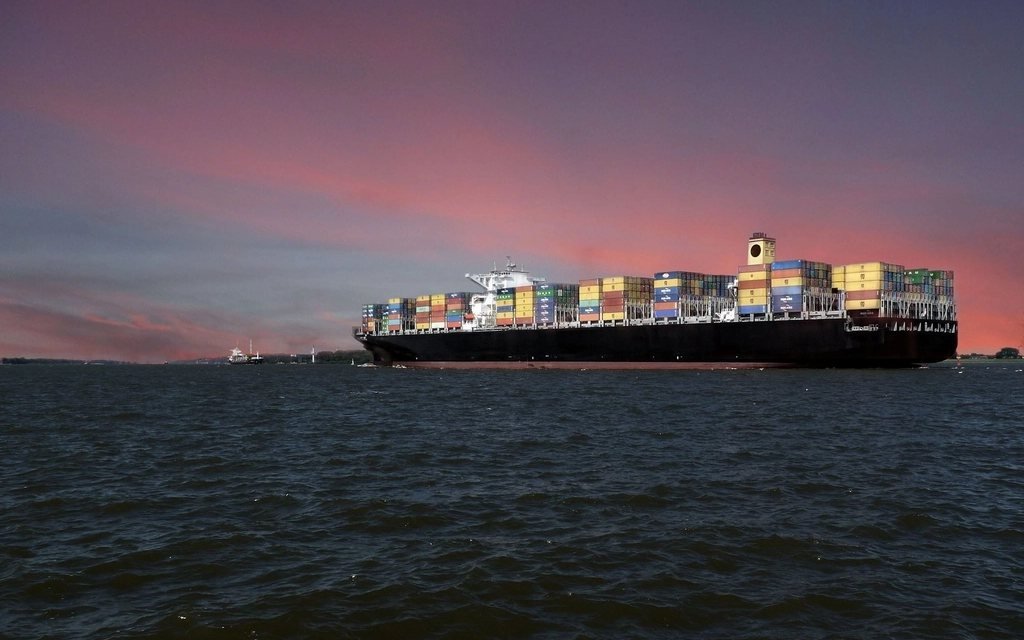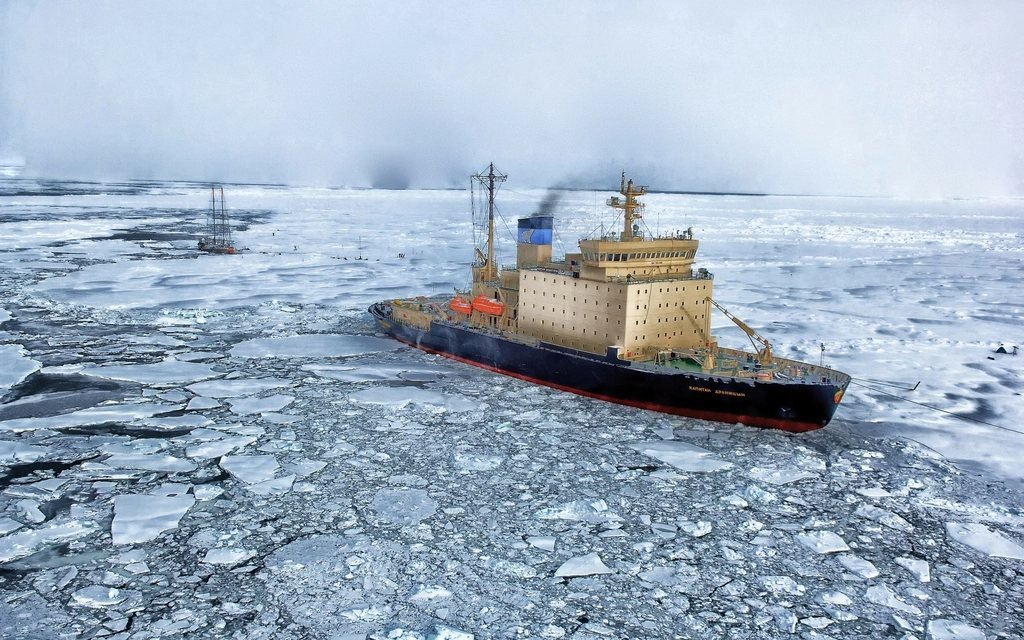

TROMSØ, Norway — The last cargo ship of the northern season slipped past the coast of northern Norway this week, closing a navigation window that stretched to a record 118 days, according to the Arctic Marine Traffic Observatory, a research group that tracks vessel movements in the region.
About 410 commercial voyages used Arctic routes this year, up from roughly 330 last year, the observatory said. Most carried bulk goods such as minerals, fuel and grain, but a growing number were container ships testing whether the shorter northern passage could save time on Asia–Europe trips. “The ice is opening earlier and closing later, and shipping companies are paying attention,” said Kari Nordheim, the observatory’s director. “But this is still one of the most demanding environments on Earth for a ship and its crew.”
Shorter routes, higher stakes
For some voyages between northern Asia and northern Europe, Arctic routes can cut sailing distance by as much as 40 percent compared with southern routes. Shorter distances can mean lower fuel use and faster delivery, which has attracted interest from carriers looking to reduce costs.


- Season length: 118 days, a record
- Commercial voyages: about 410, up from 330
- Typical distance saved: up to 40 percent on some routes
- Search-and-rescue bases along the route: fewer than a dozen major ones
But Arctic sailing comes with heavy requirements. Ships need strengthened hulls, specially trained crews and, in many stretches, icebreaker escorts. Weather can change quickly, and ports for refueling or repairs are few and far apart.
Insurers tighten terms
Marine insurers say they are adjusting premiums and policy terms as traffic grows. Lars Eriksen, an underwriter with the Nordic Marine Mutual, said companies now require detailed voyage plans, ice training certificates and real-time tracking for coverage.
An incident in the Arctic is not like one in the English Channel. Help can be days away, and cleaning up a spill in ice is extremely difficult. We price that risk carefully, and we want to see ship owners take it just as seriously.
Lars Eriksen, senior underwriter, Nordic Marine Mutual
Coastal and Indigenous communities across the region have mixed views. Some see economic opportunity in port services, fuel supply and jobs. Others worry about noise and disruption for marine mammals, especially whales and seals that rely on sound to navigate and feed.
Aili Sarri, a representative of a Sámi fishing cooperative in northern Norway, said communities want a stronger voice in how routes are managed. “The sea is our pantry and our road,” she said. “If traffic grows, we want speed limits in sensitive areas and a say in where the ships go.”
Regional governments and international maritime bodies have adopted rules for Arctic shipping, including standards for ship design, crew training and fuel types. Environmental groups have pushed for broader limits on heavy fuel oil, which is especially harmful if spilled in cold water.
Shipping industry representatives say safety records on Arctic routes have so far been good, and that many companies are investing in cleaner fuels and better navigation systems. Some analysts also note that Arctic routes remain seasonal and unpredictable, which limits how much regular container traffic they can carry.
“For most liner shipping, reliability matters more than distance,” said Thomas Bergmann, a shipping economist at the Hamburg Institute for Maritime Studies. “Until the Arctic can offer a dependable schedule, it will be a niche, though an important and growing one.” For residents of Tromsø, the passing ships have become a familiar sight each autumn. “My grandfather fished these waters and never saw a container ship,” said Nordheim. “My children will grow up thinking it is normal. The question is whether we manage it wisely.”