MANAUS, Brazil — Somewhere in the canopy along a tributary of the Amazon River, a small solar-powered device the size of a lunchbox is listening. When it picks up the distinct whine of a chainsaw or the low rumble of a heavy truck, it sends an alert within minutes to a ranger station more than 50 miles away.
The device is one of about 1,900 acoustic sensors installed across a protected corridor in the state of Amazonas by the Amazon Watch Alliance, a partnership of state environmental agencies, Indigenous communities and university researchers. Combined with daily satellite imagery, the network is giving rangers a level of warning that officials say was unimaginable a decade ago.
“We used to learn about clearings weeks later, when the damage was finished,” said Luciana Barros, the alliance’s field coordinator. “Now we can sometimes reach a site while the engines are still warm.”


Faster alerts, faster patrols
According to figures released by the alliance on Wednesday, the average time between detection and a ranger visit fell from about 11 days to just over two days in the first full year of operation, a drop of roughly 80 percent. In the monitored corridor, the area of newly cleared forest declined by 34 percent compared with the previous year.
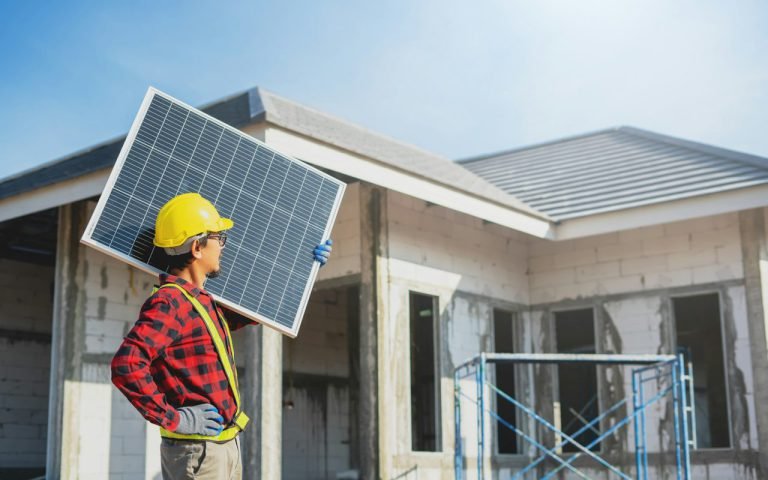
The sensors run on small solar panels and transmit through a mesh network that relays signals from tree to tree until they reach a base station. Software trained on thousands of hours of forest audio filters out rain, wildlife and distant thunder, flagging only sounds likely to signal machinery.
- Sensors deployed: about 1,900 across a 4,600-square-mile corridor
- Average response time: down from 11 days to about 2 days
- New clearing in monitored area: down 34 percent year over year
- Indigenous monitors trained: 260
Communities on the front line
Many of the alerts are first checked by Indigenous forest monitors who live in villages within the corridor and know its rivers and trails. They travel by boat and on foot to verify reports, collecting photographs and coordinates that are passed to state enforcement teams.
The technology hears the forest, but people still have to walk it. Our monitors know every bend in the river, and they are the reason the alerts mean something.
Raimundo Teixeira, coordinator of the Upper Rio Negro Monitors Association
Researchers caution that the early results, while encouraging, come from a single region and a single year. Paulo Mendes, an ecologist at the Center for Tropical Forest Studies in Belém, said some logging activity may have shifted to areas outside the sensor network, a pattern known as leakage.
“When you protect one room of a house, you need to check whether the problem has moved to the next room,” Mendes said. “The real test is whether the overall regional numbers fall, not just the numbers inside the fence.” Some rural landowners’ groups have also raised concerns, arguing that alerts must be verified carefully to avoid penalizing legal, permitted land use. The alliance said every alert is checked against registries of approved forest management plans before enforcement teams act.
The network cost about $14 million to build, funded by state budgets, international climate grants and a philanthropic group, the Verdant Earth Foundation. Officials hope to expand it to two additional corridors by 2028, and are testing smaller, cheaper sensors that could be dropped by drone into remote areas.
For Barros, the most striking change has been in the attitude of those on the ground. “People know now that the forest is listening,” she said. “That alone has changed behavior in places where we have never even sent a boat.”