The secret is a very hot pan and vegetables cut the same size. Everything else is a simple sauce you can make while the oil heats. That is really all there is to a great stir-fry, and it is why this spicy vegetable version has become one of our most-loved weeknight dinners. It is faster than takeout and full of crunchy vegetables, glossy with a sweet, salty, gingery sauce that clings to every piece. From the moment you start chopping to the moment you sit down, it takes about 25 minutes, and most of that is prep you can do while the rice cooks.
Why heat and size matter
Stir-frying is a fast, high-heat cooking method. The goal is to sear the outsides of the vegetables quickly so they pick up a little color and a slightly smoky flavor while the insides stay crisp and bright. If the pan is not hot enough, the vegetables release their water and end up steaming in their own juices, which leaves them soft, pale and watery. A properly heated wok or skillet evaporates that moisture instantly.


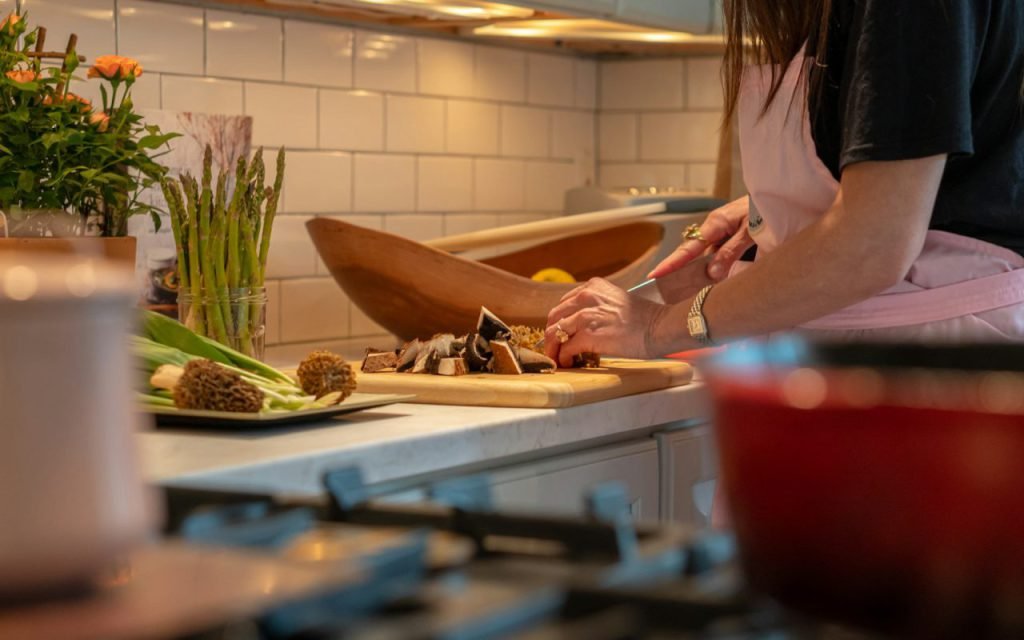
Uniform cutting matters just as much. When every piece of broccoli, carrot and pepper is about the same size and thickness, they all cook in roughly the same time. Large chunks stay raw in the middle while tiny bits burn. Spending a few extra minutes at the cutting board is the difference between a stir-fry that is perfectly crisp-tender and one that is a mix of mushy and crunchy.
Ingredients
- 1 head broccoli, in small florets
- 1 red bell pepper, sliced
- 2 carrots, sliced thin
- 3 tablespoons soy sauce
- 1 tablespoon honey
- 1 tablespoon grated ginger
- 1 teaspoon cornstarch
You will also need 1/4 cup water for the sauce and a couple of tablespoons of neutral oil with a high smoke point, such as peanut, canola or avocado oil. Olive oil and butter burn at stir-fry temperatures, so save them for other dishes. Fresh ginger makes a big difference here. Peel it with the edge of a spoon and grate it on a fine grater. For the spicy part of this recipe, add a teaspoon of chili garlic sauce or a pinch of red pepper flakes to the sauce, more or less to taste. Low-sodium soy sauce works well if you are watching your salt.
How to make it
- Whisk the soy sauce, honey, ginger, cornstarch and 1/4 cup water.
- Heat a wok or large pan until smoking and add a little oil.
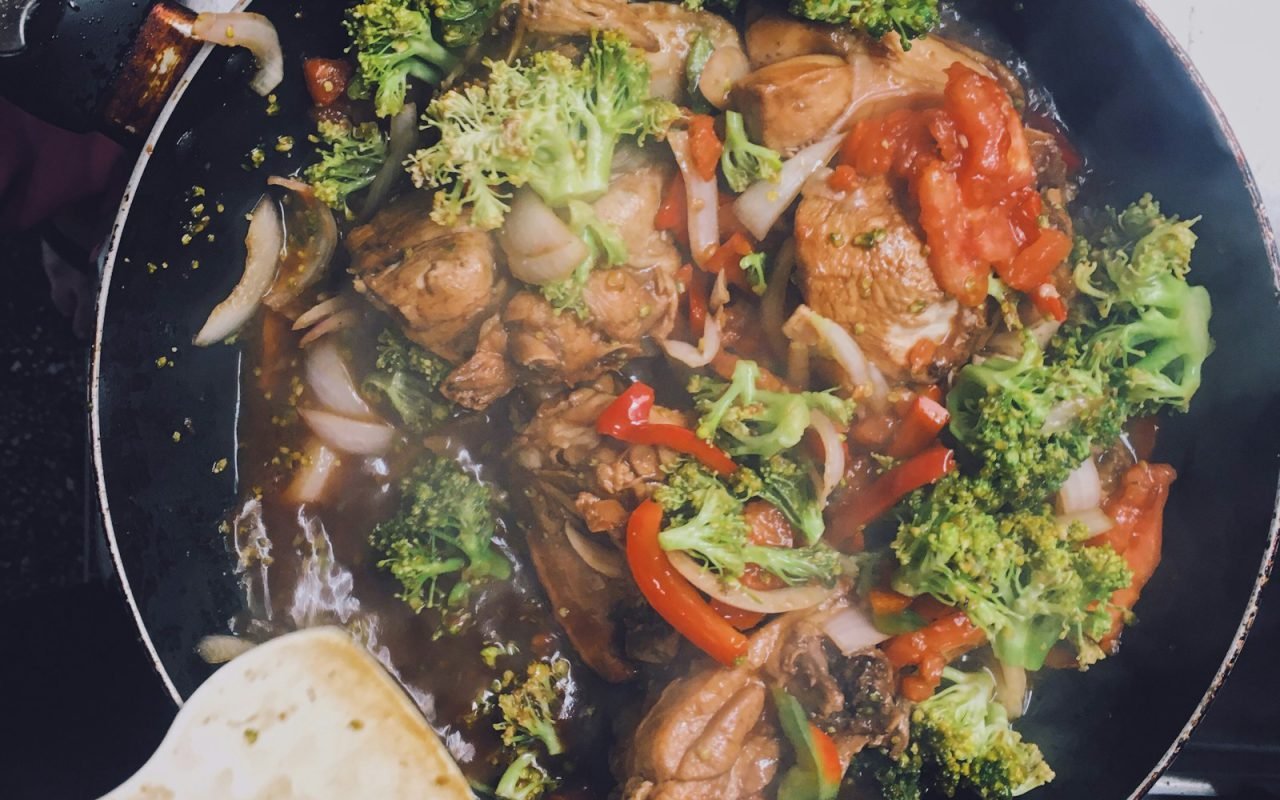
- Stir-fry the carrots and broccoli 3 minutes, then the pepper 1 minute.
- Pour in the sauce and toss until glossy. Serve over rice or noodles.
Have everything ready first
Once the pan is hot, a stir-fry moves very quickly, and there is no time to slice a pepper or measure soy sauce. Chefs call this preparation mise en place, French for everything in its place. Before you turn on the heat, cut all the vegetables, mix the sauce in a small bowl, and set it all within reach of the stove. Give the sauce one final whisk right before you add it, because the cornstarch settles to the bottom.
Cooking in the right order
Dense vegetables take the longest, so they go in first. Carrots and broccoli need about 3 minutes of constant tossing to turn bright and crisp-tender. If the pan seems dry, add a tablespoon of water and cover it for 30 seconds to steam the broccoli slightly, then uncover and keep tossing. Bell pepper slices cook quickly and go in for just the last minute so they keep their crunch and sweet flavor.
The glossy finish
When you pour in the sauce, the cornstarch thickens it in seconds into a shiny glaze. Keep tossing for 30 seconds to a minute, until everything is coated and the sauce bubbles. If it gets too thick, splash in a little water; if it is too thin, cook it a few seconds longer. Taste and adjust with more soy sauce for salt, honey for sweetness or chili for heat.
Do you need a wok?
A wok is wonderful for stir-frying. Its sloped sides let you toss food easily, and the small bottom gets intensely hot. But most home stoves, especially electric ones, do not put out enough heat to make a large round-bottomed wok work at its best. A flat-bottomed wok or a large, heavy skillet, such as cast iron or carbon steel, works just as well at home. The most important thing is to let it heat until it is very hot, a minute or two longer than you think, and to avoid overcrowding. If your pan is on the small side, cook the vegetables in two batches and combine them when you add the sauce.
Hot oil can splatter, so make sure your vegetables are dry before they go in, keep a lid nearby and turn on your range hood. Keep pot handles turned in if children are in the kitchen.
Make it your own
Add cubes of crispy tofu or leftover chicken to make it a full dinner.
Recipe tester Molly Grant
Molly’s favorite add-in is crispy tofu. Press a block of extra-firm tofu between paper towels for 15 minutes, cut it into cubes and toss with a tablespoon of cornstarch. Pan-fry the cubes in a little oil until golden on all sides, set them aside and add them back with the sauce. Here are more ways to vary the dish:
- Different vegetables: Snap peas, mushrooms, baby bok choy, zucchini or thinly sliced cabbage all work well.
- More protein: Shrimp, thinly sliced flank steak or shelled edamame.
- Nutty crunch: Top with toasted cashews, peanuts or sesame seeds.
- Fresh finish: Add sliced scallions, cilantro and a squeeze of lime.
- Gluten-free: Use tamari or coconut aminos in place of soy sauce.
Serving and leftovers
Jasmine rice is our favorite base because its soft, fragrant grains soak up the sauce. Start it before you begin chopping, and it will be ready right on time. Brown rice adds a nuttier flavor and more fiber. For noodles, try lo mein, udon or rice noodles; cook them according to the package, drain, and toss them right into the pan with the sauce. For a lighter option, serve the stir-fry over cauliflower rice.
Leftovers keep in an airtight container in the refrigerator for up to 3 days. The vegetables will soften slightly, but the flavor stays great. Reheat quickly in a hot skillet with a splash of water rather than the microwave to keep some of the crunch. The sauce also doubles easily, and a jar of it in the refrigerator makes the next stir-fry even faster.
Rice that is ready on time
For fluffy jasmine rice, rinse 1 1/2 cups of rice in a fine-mesh strainer until the water runs mostly clear, which removes the extra surface starch that makes rice sticky. Combine it in a pot with 2 cups of water and a pinch of salt, bring to a boil, then cover, lower the heat and simmer for 15 minutes. Turn off the heat and let it rest, still covered, for 10 minutes before fluffing with a fork. That resting time is exactly how long it takes to stir-fry the vegetables.
Key takeaway: A smoking-hot pan, evenly cut vegetables and everything prepped before you start are the keys to a crisp, glossy stir-fry.
Faster than delivery
By the time a delivery order arrives, you could have this stir-fry on the table, cleaned up and sat down to eat. It is colorful, healthy, budget-friendly and easy to adapt to whatever vegetables are in your refrigerator. Add it to your weekly meal plan, use the servings scaler for a bigger family, and keep cook mode on so you can follow along while you toss.