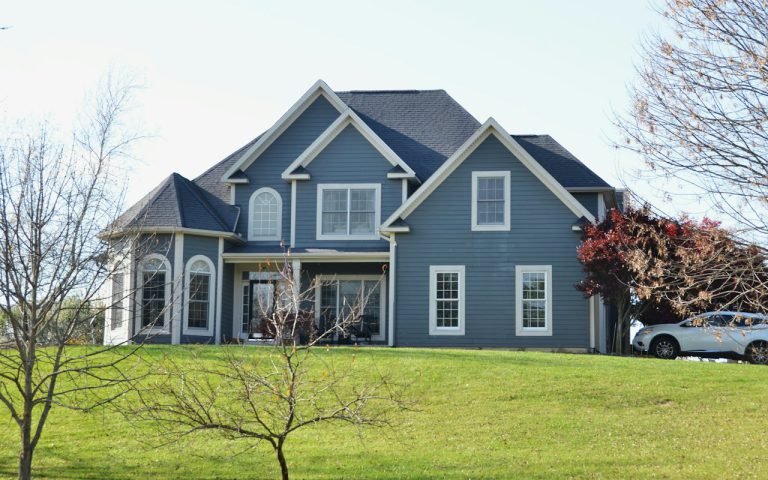
ATLANTA — When Daniel and Priya Hart started house hunting last spring, they assumed they would end up in a two-bedroom condo near downtown Atlanta. By August, they had signed papers on a three-bedroom house with a fenced yard in a suburb 32 miles away, for about $40,000 less than the condo they had been eyeing.
“We go into the office twice a week,” said Daniel Hart, 31, a software tester. “Once we did the math on that, the yard won.” The Harts are part of a broader shift. First-time buyer purchases in outer suburbs, defined as areas 25 to 50 miles from a major downtown, rose about 14 percent this year compared with last year, according to an analysis of sales records by the real estate research firm Keystone Housing Analytics. Purchases by first-time buyers in urban cores rose just 3 percent.
Why the suburbs are winning again
Several forces are pulling in the same direction. Hybrid work schedules have largely settled at two or three office days per week, making longer commutes more tolerable. Home prices in many outer suburbs have flattened or dipped slightly after big gains, while city prices remain elevated. And builders, sitting on unsold inventory, are offering incentives that resale sellers often cannot match.


- First-time purchases in outer suburbs: up 14 percent
- First-time purchases in urban cores: up 3 percent
- Median outer-suburb price: about $348,000, down 2 percent
- Share of new-home sales with builder incentives: about 62 percent
The most popular incentive is the mortgage rate buydown, in which a builder pays to lower the buyer’s interest rate, sometimes by a full percentage point or more for the first several years. On a $350,000 loan, that can trim several hundred dollars from a monthly payment.
Builders have become the most motivated sellers in the market. For a first-time buyer who can tolerate a longer drive, that’s real leverage.
Teresa Gaines, chief economist, Keystone Housing Analytics
Trade-offs in the commute
The suburban shift has its critics, and its costs. Longer commutes mean more time in traffic and higher transportation expenses, which can offset some of the savings on housing. Analysts note that buyers sometimes underestimate those costs, particularly when gas prices rise or employers tighten office attendance requirements.
“Housing affordability and transportation affordability are two sides of the same coin,” said Dr. Marcus Ferrell, an urban economist at the Southeastern Policy Center. “A cheaper house that adds $600 a month in commuting costs isn’t necessarily a better deal.”
Some urban planners also worry the trend could worsen sprawl and strain suburban infrastructure, from roads to schools. Several fast-growing counties around Atlanta, Dallas and Phoenix have debated impact fees on new subdivisions to help pay for services.
Real estate agents say many buyers are weighing those trade-offs carefully. Lena Brooks, an agent in Gwinnett County, Georgia, said her clients increasingly ask about commuter rail access, park-and-ride lots and school ratings before they ask about square footage.
Local officials in some outer suburbs are welcoming the influx. Younger buyers bring enrollment to schools that had been losing students and customers to main streets that struggled during the pandemic. In Paulding County, west of Atlanta, a economic development director, Grant Whitley, said the county issued more permits for new businesses this year than in any year on record.
Mortgage rates remain well above the lows of several years ago, and most economists expect them to ease only gradually. That leaves many first-time buyers stretching to qualify. Still, Gaines said the data suggest a market finding its footing. “Buyers aren’t waiting for perfect conditions anymore,” she said. “They’re adjusting their maps.”