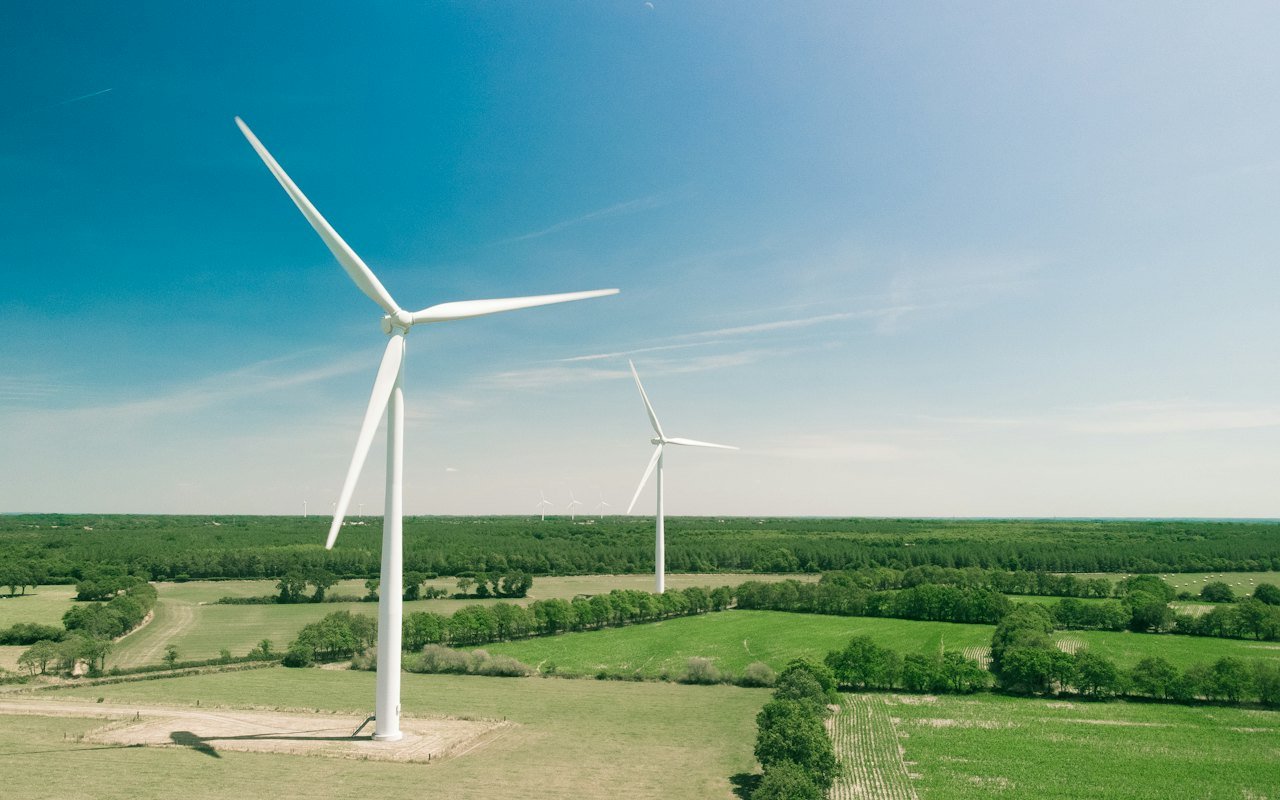

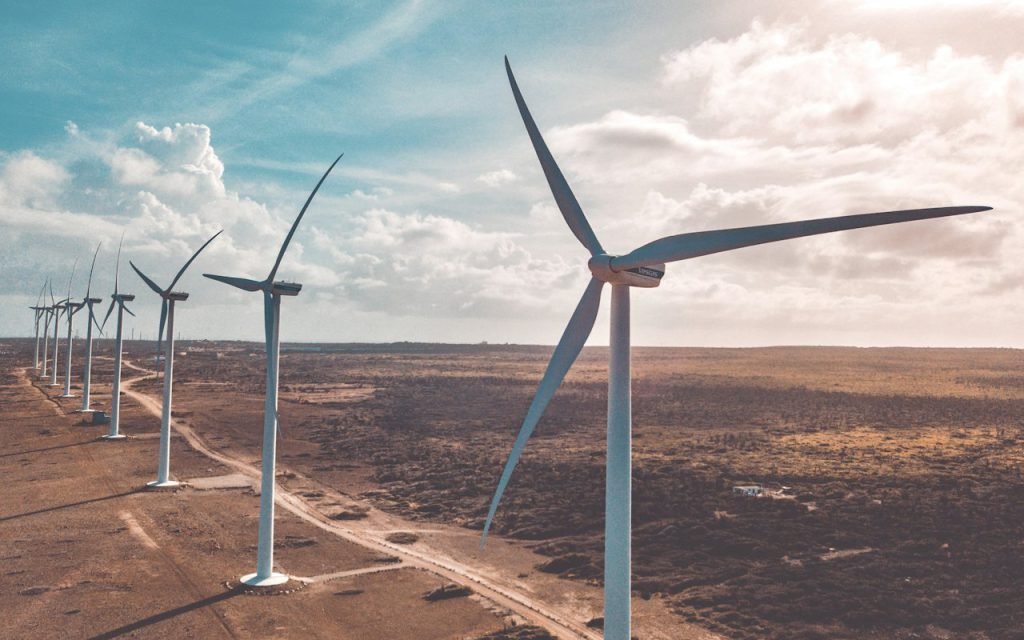
Drive across western Kansas or the Texas Panhandle on a breezy afternoon and you will see them long before you reach them: rows of white towers on the horizon, their three long blades turning slowly against the sky. They look calm, almost lazy. But each of those machines is quietly doing something remarkable. Wind turbines turn moving air into electricity that flows into the grid, and some of that power may be lighting your kitchen right now. Here is how it works, from the first gust to the moment you flip a switch.
Our explainers try to answer the questions readers actually ask. With wind, those questions tend to be practical. How does a spinning blade make electricity? How does that power get to my house? What happens when the wind stops? Let’s walk through it.
From breeze to spin
Wind is simply air in motion, created as the sun heats the Earth’s surface unevenly. Warm air rises, cooler air rushes in to replace it and the result is the breeze you feel on your face. That moving air carries energy, and a wind turbine is designed to capture as much of it as possible.


A modern turbine’s blades work a lot like airplane wings. Their curved shape creates a difference in air pressure on each side, and that difference produces lift, which pushes the blades around. Large land-based turbines today often have blades longer than 150 feet, and the towers that hold them can rise higher than a 30-story building. Height matters because winds are generally stronger and steadier farther from the ground.
The blades turn a central shaft connected to a housing at the top of the tower called the nacelle. Inside, many turbines use a gearbox to speed up the rotation before it reaches a generator, while others use direct-drive generators that skip the gearbox. Either way, the generator does the key job: it uses magnets and coils of wire to convert motion into electricity. The turbine also has sensors and controls that turn it to face the wind and adjust the angle of the blades, so it can capture more energy in light breezes and protect itself in strong storms.
From turbine to your wall outlet
One turbine is impressive, but most wind power comes from wind farms, where dozens or even hundreds of turbines are spaced across open land or offshore waters. Here is the path the electricity takes:
- Generation: Each turbine produces electricity as its blades spin.
- Collection: Underground cables carry power from each turbine to a central substation on the wind farm.
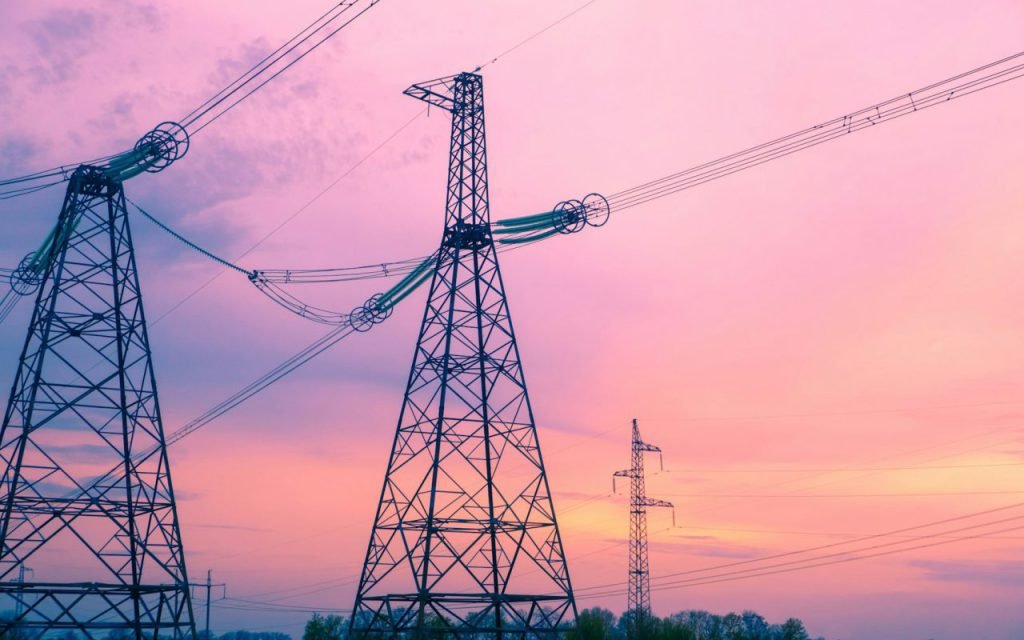
- Step-up: At the substation, transformers raise the voltage. Higher voltage lets electricity travel long distances with less energy lost along the way.
- Transmission: High-voltage lines carry the power across the region, sometimes hundreds of miles, to where people need it.
- Step-down: Closer to towns and cities, more substations lower the voltage for local distribution lines.
- Delivery: A final transformer on a utility pole or a green box near your street lowers the voltage again to the level used in homes.
Once wind power enters the grid, it mixes with electricity from every other source: natural gas, solar, hydropower, nuclear and others. Electrons do not come labeled. That is why utilities and grid operators talk about the share of power coming from each source. When a region adds more wind, a larger share of the electricity in everyone’s outlets comes from it.
Why wind works
Wind has some big advantages. Wind is free and doesn’t burn fuel while generating power. Once a turbine is built, there is no fuel to buy, mine or ship, which helps keep long-term costs steady. And because nothing is burned, turbines produce no carbon dioxide or smog-forming pollution while they run.
A single large turbine can power many homes on a good day.
Our climate editor
Wind farms also fit well with other land uses. In much of the Great Plains and Midwest, turbines stand in active farm fields and ranches. Cattle graze around the bases and crops grow right up to the access roads. Many landowners receive lease payments for hosting turbines, which can provide steady income for rural families and tax revenue for counties that pay for schools and roads.
Offshore wind is a growing part of the picture too. Winds over the ocean tend to be stronger and more consistent than on land, and many of the country’s biggest cities sit close to the coast, where demand for electricity is high.
Storage and the calm days
The obvious question is what happens when the wind dies down. The wind does not blow on schedule, and its output rises and falls with the weather. Batteries and grid planning help balance windy and calm days.
Grid operators have a few tools for this:
- Forecasting: Modern weather models predict wind output hours and days ahead, so operators can plan which other power plants will be needed.
- Geographic spread: The wind is almost always blowing somewhere. Connecting wind farms across large regions smooths out local lulls.
- A mix of sources: Wind often blows harder at night and in certain seasons, while solar peaks in the middle of sunny days. Together, they cover more hours than either alone.
- Battery storage: Large battery systems can soak up extra electricity when the wind is strong and release it later when demand rises.
- Flexible demand: Some utilities reward customers for shifting heavy energy use, like charging an electric car, to times when power is plentiful.
None of this makes the challenge disappear, but it is the reason grids in many parts of the country can rely on a substantial share of wind power while keeping the lights on.
What it means for your home
You do not need a turbine in your backyard to benefit from wind. Depending on where you live, there are several ways to support it:
- Check whether your utility offers a renewable energy plan or green power program.
- In some states, you can choose an electricity supplier that sources more of its power from wind.
- Look into community renewable energy programs, if your state offers them.
- Cut your overall use with efficient lighting, appliances and a well-sealed home. A home-energy checklist is a good starting point.
- Shift big energy tasks, like running the dishwasher or charging an EV, to off-peak hours when the grid often has extra clean power.
Plans and prices vary widely by state, so read the details carefully. If you are unsure, your utility’s customer service line or a local energy advisor can explain your options.
Key takeaway: Wind power travels from spinning blades to substations to transmission lines to your home, mixing with every other source on the grid. Forecasting, storage and a diverse mix help keep it reliable when the air goes still.
The quiet power behind the switch
The next time you flip on a light, think of the journey that power might have taken. A gust of wind crosses a field in Iowa or a stretch of open water off the Atlantic coast. A blade turns. A generator hums. Cables, substations and miles of wire carry the result across the landscape until it reaches a bulb above your kitchen table.
Wind is not the only answer to a cleaner grid, but it is one of the most hopeful. It uses a resource that is free, endless and already moving all around us. Every new turbine on the horizon is a small sign that the way we power our homes is changing, one breeze at a time.