
AUSTIN, Texas — Walk through almost any fast-growing neighborhood in Austin and the banners are hard to miss: “Two Months Free,” “No Deposit,” “Look and Lease Today.” After years in which tenants faced bidding wars and double-digit increases, renters in many big American cities are suddenly in the stronger negotiating position.
Median asking rents were flat or down in eight of the 10 largest U.S. metro areas over the past year, according to a report released Wednesday by the rental data firm Hearthstone Market Research. Nationally, the median asking rent rose just 0.8 percent, to about $1,740 a month, the smallest annual gain in more than a decade outside the pandemic.
A building boom reaches the finish line
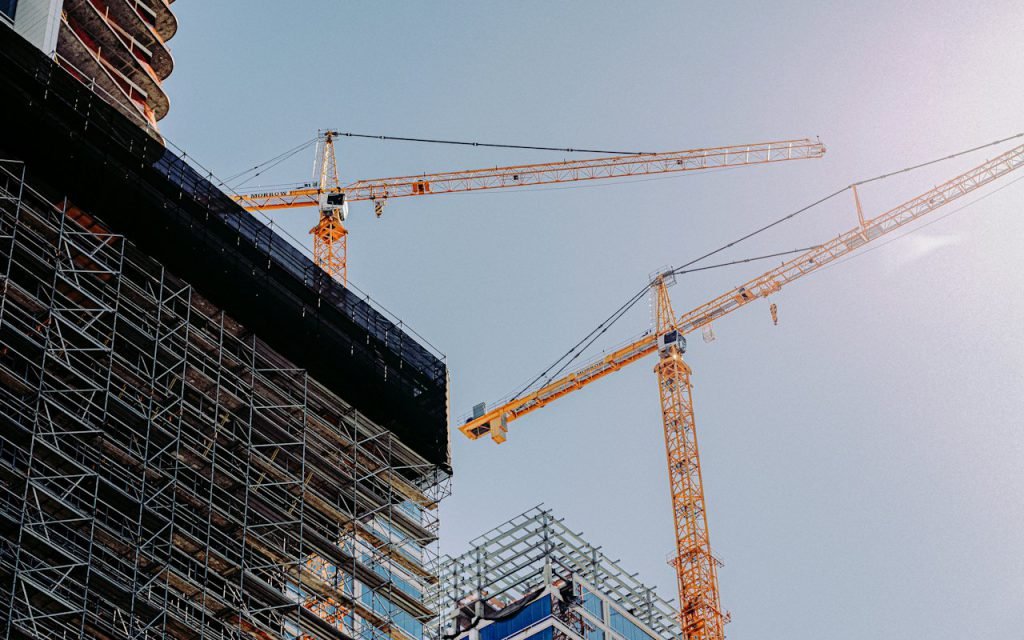
The main driver is supply. Developers started an unusually large number of apartment buildings several years ago, when rents were climbing quickly and financing was cheap. Those projects are now opening at a record pace, with roughly 520,000 new units completed nationwide over the past 12 months.


- National median asking rent: about $1,740, up 0.8 percent
- Largest declines: Austin (down 5.1 percent), Phoenix (down 3.4 percent), Dallas (down 2.2 percent)
- Largest gains: Chicago (up 4.3 percent), New York (up 3.1 percent)
- National vacancy rate: about 7.2 percent, up from 6.4 percent
The declines are concentrated in Sun Belt metros that permitted the most construction. Cities with tighter land and zoning constraints, particularly in the Northeast and Midwest, are still seeing rents rise, though more slowly than before.
This is what happens when you actually build. Supply catches up, and renters get a break. It’s not complicated, but it takes years to show up.
Jonathan Pierce, senior economist, Hearthstone Market Research
Landlords feel the squeeze
For apartment owners, particularly those who bought or built at peak prices, the slowdown is painful. Concessions such as free rent, waived application fees and discounted parking have become standard in new buildings, and some older properties are cutting rents to keep tenants from moving into newly opened complexes nearby.
“We’ve gone from raising rents 12 percent at renewal to fighting to keep people at the same rate,” said Carla Mendoza, regional manager for a property company, Longhorn Residential, which oversees about 4,000 units in Central Texas. “Retention is the whole game now.”
Industry groups warn that the relief may not last. New apartment construction starts have fallen sharply over the past two years as higher interest rates and construction costs made projects harder to finance. Once the current wave of buildings is absorbed, analysts expect rents to start climbing again, possibly within two years.
Tenant advocates say the current numbers mask continued strain. Even with flat rents, many households spend more than 30 percent of their income on housing, and lower-cost older apartments have not seen the same discounts as luxury buildings. “A free month at a new high-rise doesn’t help a family looking for a $1,100 two-bedroom,” said Alicia Navarro, director of a renters’ rights group in Houston.
The slowdown is also showing up in household decisions. Some young adults who had been living with roommates or parents are moving into their own places, a trend economists call household formation, which in turn helps absorb some of the new supply. Hearthstone estimates that about 1.1 million new renter households formed over the past year.
For renters with leases coming up, agents and analysts offer similar advice: compare offers from nearby buildings, ask about concessions on renewal and consider longer leases to lock in today’s rates. In many cities, landlords say they are willing to talk.