
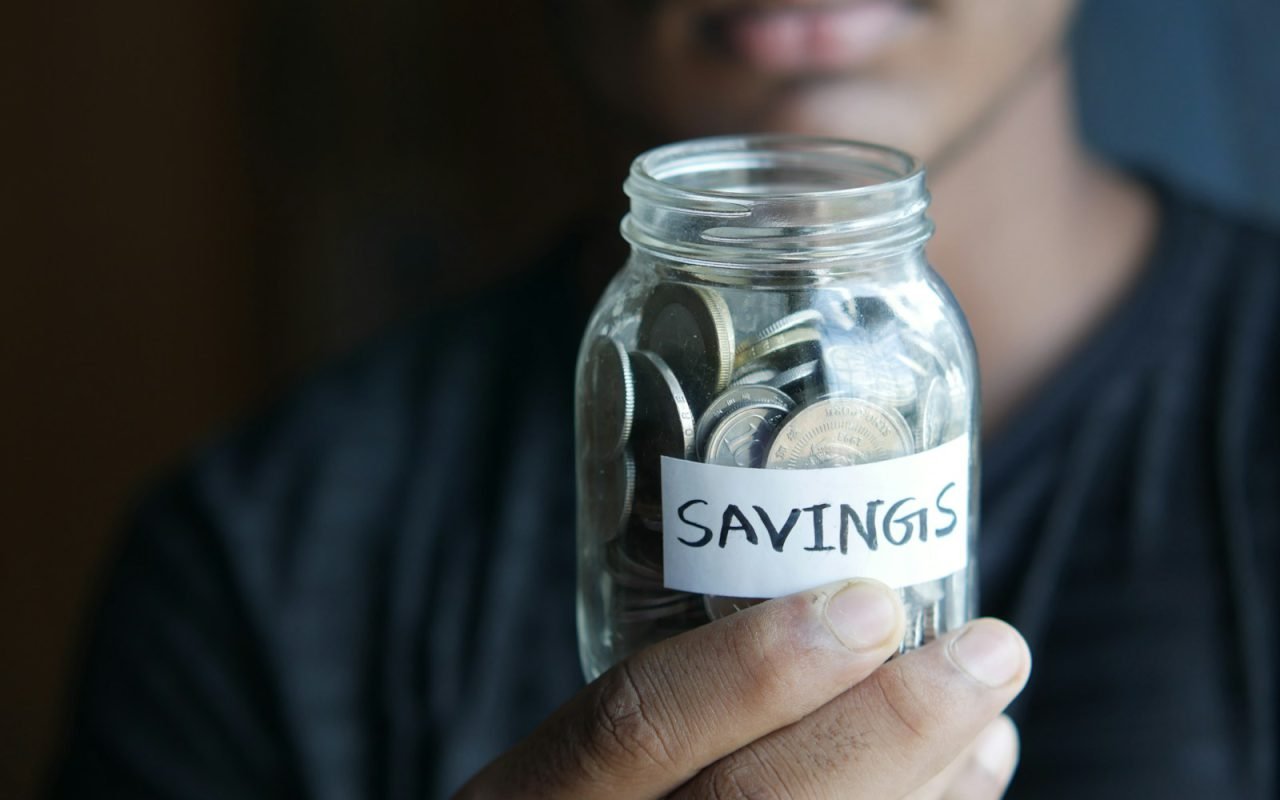
A sinking fund is a small savings pot for a cost you know is coming, even if you don’t know exactly when. It’s one of the simplest ideas in personal finance and one of the most effective. Car repairs, holidays and annual fees aren’t emergencies. Plan for them. Once you do, many of the “surprise” bills that used to land on a credit card start to feel like routine items you already paid for months ago.
If you’ve ever looked at a budget that seemed fine on paper but somehow fell apart every few months, sinking funds may be the missing piece. Most monthly budgets cover rent, groceries and utilities well. What they often miss are the irregular costs that show up two, three or a dozen times a year. Those are the expenses that drain emergency funds, rack up interest and make people feel like they can never get ahead.
Why “surprise” bills aren’t surprises
Think back over the past year. Did you have a car repair? A holiday season with gifts and travel? An annual subscription renewal? A vet bill? A back-to-school shopping trip? For most households, the answer is yes to several of those. None of them were true emergencies. They were just irregular.


The problem is that irregular expenses don’t feel real until they arrive. A $600 car insurance premium due in March doesn’t show up in your January budget. So when March comes, that $600 has to come from somewhere, and too often that somewhere is a credit card or an emergency fund that was meant for genuine crises like a job loss.
December is not a surprise. Neither is your car’s next oil change.
Rosa Jimenez, money coach
Rosa Jimenez, a money coach who writes for our money desk, says this mindset shift is often the most powerful part. Once people stop calling predictable costs “surprises,” they start planning for them, and the stress drops noticeably.
Common sinking funds
Car maintenance, holidays and gifts, annual insurance, pet care, a new phone. Those are the categories readers mention most often, but the list can be as long or short as your life requires. Here are ideas to get you thinking:
- Car maintenance and repairs: oil changes, tires, brakes, registration and inspections.
- Holidays and gifts: December, birthdays, weddings, graduations and baby showers.
- Annual or semiannual insurance: auto, renters or homeowners policies paid in lump sums.
- Pet care: checkups, vaccines, grooming and boarding.
- Technology: a new phone or laptop every few years.
- Home upkeep: appliance replacements, seasonal maintenance and small repairs.
- Medical and dental: copays, deductibles, glasses and contacts.
- Travel: a summer trip or a visit home for the holidays.
- Annual fees and memberships: warehouse clubs, professional dues and software renewals.
You don’t need all of these on day one. Start with the two or three that have caused you the most stress in the past year.

How to size them
Divide the yearly cost by 12 and save that every month. That’s the whole formula. It turns big, lumpy bills into small, steady amounts that fit inside a normal monthly budget.
Here’s a sample household’s list to show how it adds up:
- Car maintenance: $900 a year, or $75 a month.
- Holidays and gifts: $1,200 a year, or $100 a month.
- Car insurance (paid twice a year): $1,320 a year, or $110 a month.
- Pet care: $480 a year, or $40 a month.
- New phone every three years: $900 total, or $25 a month.
That totals $350 a month. It might look like a lot at first glance, but remember: this household was already spending that money. The only difference is that now it’s planned, and none of it lands on a credit card.
When the timing is tight
If a cost is due sooner than 12 months away, divide by the number of months you have left instead. A $600 bill due in six months means saving $100 a month. And if you can’t fund every bucket fully right away, prioritize the costs that come soonest or would cause the most harm if missed, like insurance.
Key takeaway: A sinking fund turns one painful bill into twelve small, forgettable ones.
Where to keep the money
Sinking funds work best when the money is separate from your everyday checking but easy to reach when the bill arrives. Many people keep them in an insured high-yield savings account so the balance earns a little interest while it waits.
You have a few options for organizing them:
- Multiple named accounts. Many online banks let you open several savings accounts or “buckets” for free and name each one. “Car Repairs” and “Holiday Gifts” are much harder to raid than a vague “Savings.”
- One account with a tracker. Keep all sinking funds in a single savings account and use a spreadsheet or budgeting app to track how much belongs to each goal.
- Cash envelopes. Some people prefer physical envelopes for small categories like gifts. Just keep large amounts in an insured account rather than at home.

Whichever method you choose, automate the monthly transfers. Set them up the day after payday, so the money moves before you have a chance to spend it elsewhere.
Sinking funds vs. an emergency fund
It’s easy to confuse the two, but they do different jobs. An emergency fund is for the truly unexpected: a job loss, a major medical event or an urgent home repair you couldn’t foresee. Sinking funds are for expenses you know are coming, even if the exact date or amount is uncertain.
Keeping them separate protects your emergency fund. When your car needs new tires, you pay from the car fund and your emergency cushion stays whole for real emergencies. Many planners suggest building a starter emergency fund first, then adding sinking funds, though your situation may call for a different order.
Try this week
You can set up your first sinking fund in an afternoon. Start here:
- List next year’s irregular costs
- Divide each by 12
- Open one savings “bucket” per goal
To build your list, scroll back through the past 12 months of bank and card statements and circle anything that wasn’t a regular monthly bill. That’s your starting point. Add anything you know is coming in the year ahead, like a wedding or a planned trip. Then divide, set up your buckets and automate the transfers.
Calm, not chaos
Sinking funds won’t make your expenses disappear, but they can change how those expenses feel. Instead of panic when the car needs brakes or the holidays approach, you’ll have the money waiting. Instead of new credit card debt every few months, you’ll have a budget that actually reflects your life.
Start small with one or two funds, let them grow and add more as you go. A year from now, you may find that “surprise” bills have become one of the least stressful parts of your financial life.
This article is general education, not financial advice. Your situation is your own — talk to a licensed professional before big decisions.













Sharing this with my friends.
Saved this one for later. Really useful.