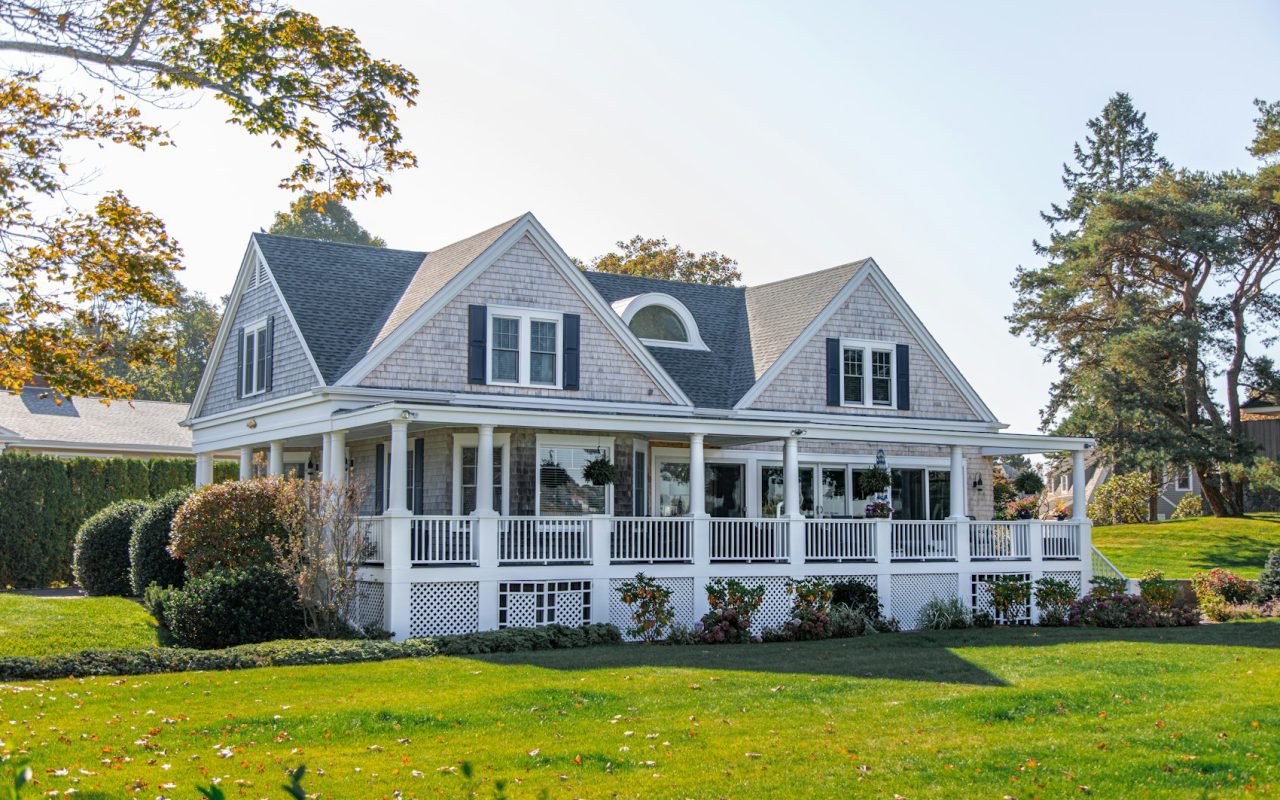

RALEIGH, N.C. — The model home at Cedar Hollow, a new subdivision outside Raleigh, has three bedrooms, two bathrooms, a covered front porch and just 1,180 square feet of living space. Its price, $289,900, is about $120,000 less than the median new home in the region. The first 40 lots sold out in six weeks.
“We had people camped in the parking lot the morning sales opened,” said Rob Whitaker, division president of Pinecrest Homes, the builder behind the project. “I’ve been doing this for 25 years and I’ve never seen that for a house this size.”
After two decades in which American homes grew steadily larger, builders are rediscovering the starter home. The median size of a newly built single-family home has fallen to about 2,150 square feet, down roughly 12 percent from its peak, according to industry data, and the share of new homes under 1,800 square feet is the highest in more than 15 years.


Why builders are thinking smaller
The math is straightforward. With mortgage rates elevated and home prices near record highs, many first-time buyers cannot qualify for a typical new house. Building smaller homes on smaller lots lets builders hit price points that work for buyers earning $70,000 to $90,000 a year.
- Typical size: 1,000 to 1,500 square feet
- Typical price: $240,000 to $310,000, depending on market
- Common features: open layouts, small yards, shared green space, energy-efficient systems
- Popular markets: Ohio, Texas, the Carolinas, Tennessee and Indiana
Builders are also cutting costs through simpler designs. Many of the new homes use a handful of standardized floor plans, factory-built wall panels and fewer custom options. Some developers are experimenting with “cottage courts,” clusters of small homes around a shared lawn.
The first-time buyer never went away. We just stopped building anything they could afford. Now we’re remembering who our customers are.
Rob Whitaker, division president, Pinecrest Homes
Zoning is the hurdle
Local rules often stand in the way. Many suburban zoning codes require minimum lot sizes, house sizes or parking spaces that make small homes impractical. Several states, including North Carolina and Texas, have debated measures to loosen those requirements, and a number of cities have reduced minimum lot sizes on their own.
Not everyone welcomes the change. Some neighbors worry that dense subdivisions of small homes will strain roads and schools or lower nearby property values. At a recent planning meeting in a suburb of Columbus, Ohio, residents raised concerns about traffic and parking before the council approved a 90-home starter community by a 4-3 vote.
Housing economists say the evidence on property values is mixed but generally shows little negative effect. “The bigger risk is not building,” said Dr. Naomi Castellanos, a housing researcher at the Great Plains Housing Institute. “When young families can’t find anything to buy, they leave, and that hurts communities far more.”
There are trade-offs for buyers, too. Small homes on small lots can feel cramped as families grow, and resale values for entry-level homes tend to be more sensitive to economic downturns. Some buyers also find homeowners association fees for shared spaces add more to monthly costs than expected.
For Kendra and Luis Ortega, who moved into a 1,240-square-foot house near Fort Worth this summer, the size was the point. “We were paying $1,900 for a two-bedroom apartment,” Kendra Ortega said. “Now we pay about the same, and it’s ours. We’ll make it work.”