

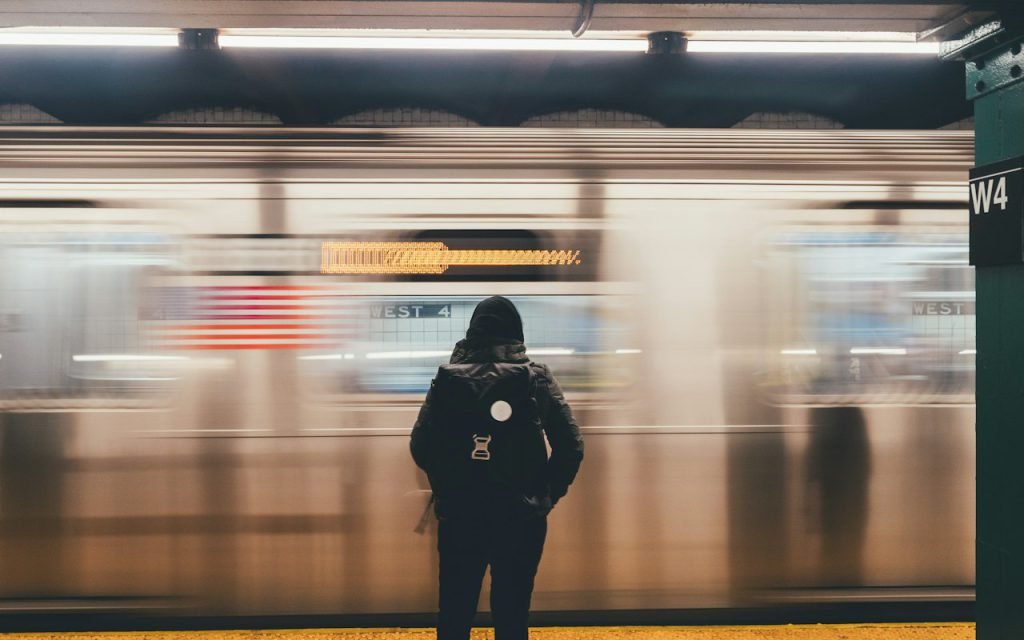
We spent a week photographing commuters in five cities. Comfort won. From train platforms in Chicago to coffee lines in Seattle, from the sidewalks of Brooklyn to the crosswalks of Austin and the steep hills of San Francisco, the same idea kept showing up in our viewfinder. People still want to look good. They just refuse to be uncomfortable doing it. The runway may still love a towering heel and a corseted waist, but the street has made its decision, and it is wearing flat shoes.
Our team shot more than four hundred looks over five weekdays, between 7 a.m. and 7 p.m., and then sorted them by silhouette, color and footwear. What follows is not a forecast. It is a report on what real people, on their way to real jobs, chose to put on this fall.
The big trend
Relaxed tailoring: wide trousers, roomy blazers and flat shoes. If one look defined the week, it was a pair of wide-leg trousers with a pressed crease, worn with a blazer cut a size larger than you might expect, and finished with loafers or clean leather sneakers. It reads as polished from across the street, yet it moves like loungewear.


The proportions were the interesting part. Shoulders were soft rather than sharp. Jackets were long enough to cover the hips. Trousers pooled slightly at the ankle or were cropped just above it, depending on the shoe. Several commuters we spoke to said they had bought their blazers in the men’s section on purpose, for the extra room through the arms.
People dress for their real lives now. That’s the trend.
Our street-style photographer
Our photographer said it best. The outfits we saw were built for long days that might include a desk, a train, a school pickup and a dinner. Anything that could not survive all four was left at home.

The color
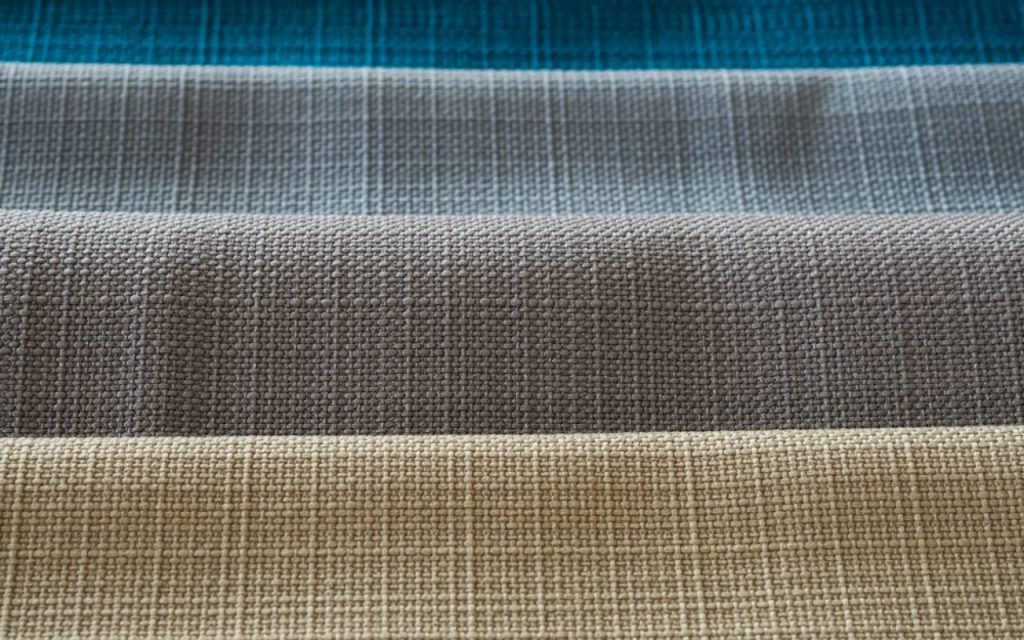
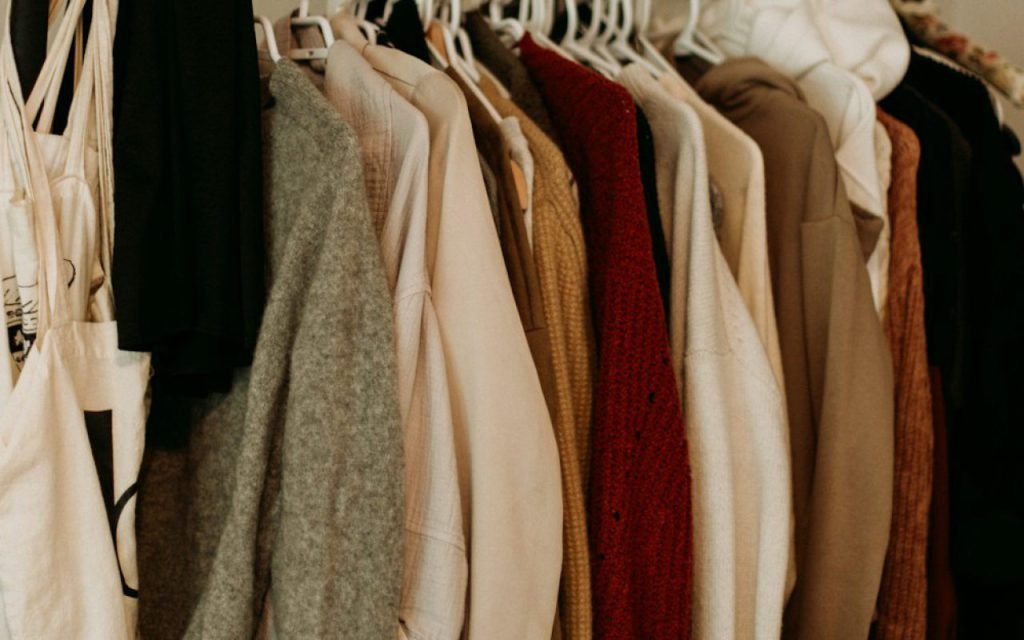
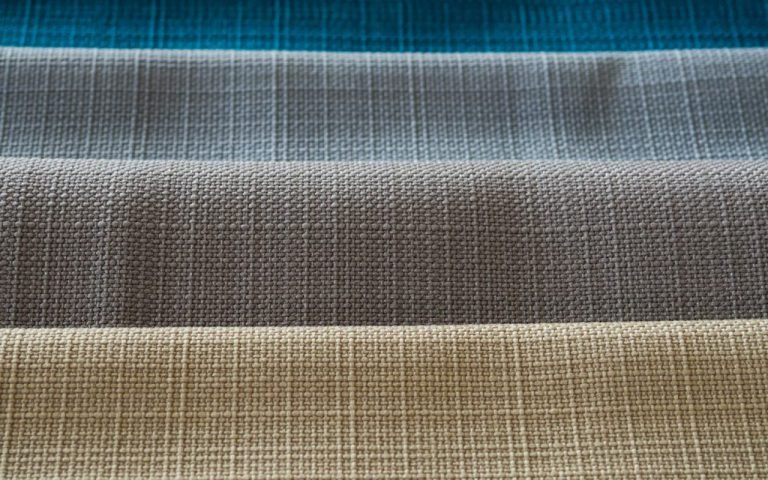
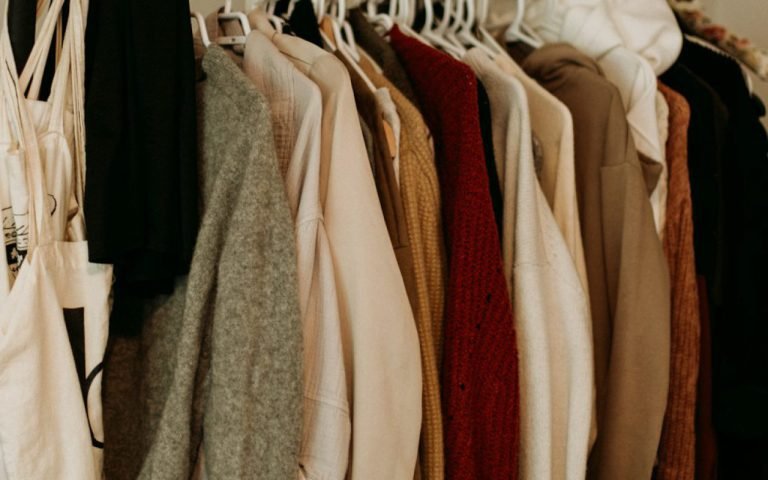
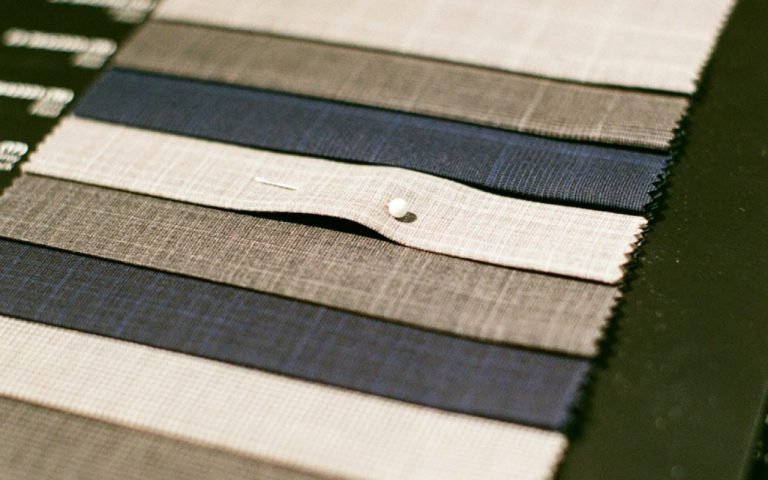
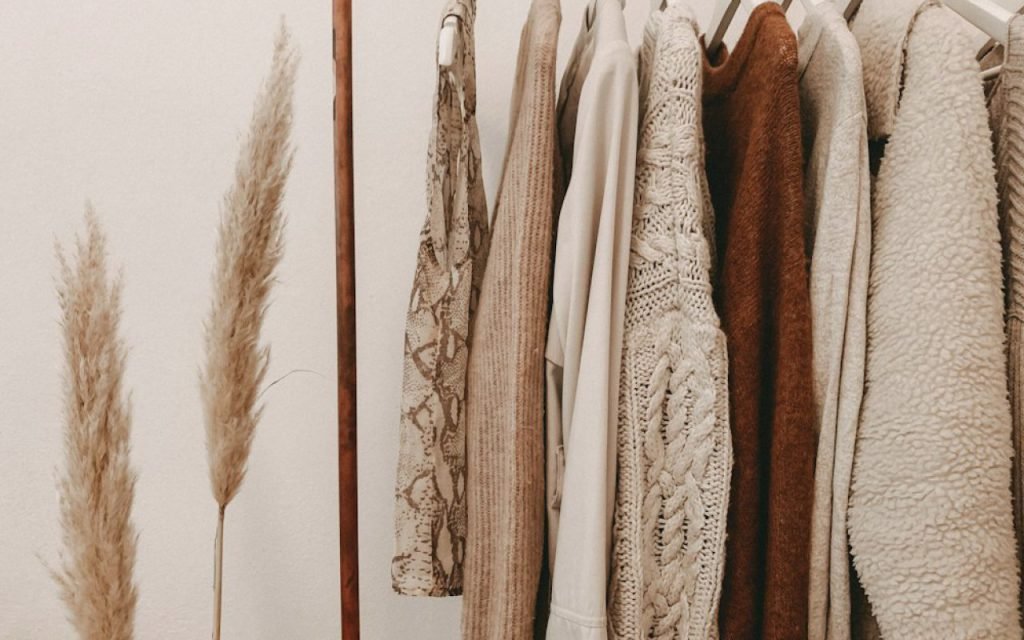
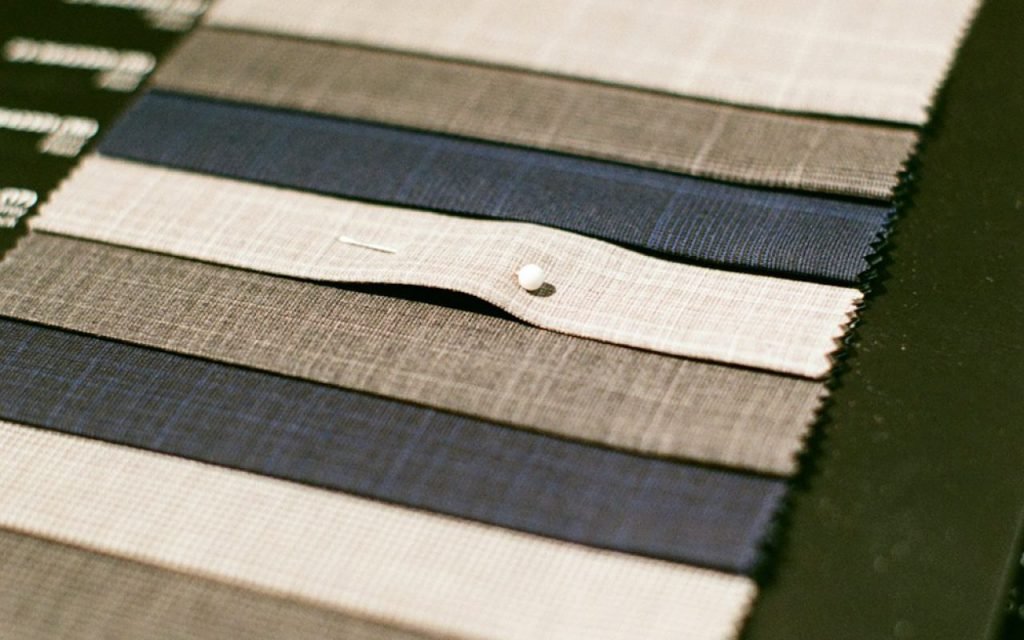
Soft grays and chocolate browns replaced black for many. Black did not disappear, but it lost its grip. In past seasons, an all-black commuter outfit was the default in most big cities. This year, we counted far more heather gray coats, taupe trousers and brown knits than we expected.
Chocolate brown in particular seemed to be everywhere: on suede jackets, leather bags, ribbed sweaters and even a few pairs of wide corduroy trousers. Paired with cream or light gray, it felt warmer and softer than black while still looking serious. Gray, meanwhile, showed up in every shade from pale oatmeal to deep charcoal, often layered in two or three tones at once.
Accent colors were rare but confident. A burgundy scarf here, an olive coat there, a single cobalt bag against an otherwise neutral outfit. The rule most people seemed to follow was simple: one bright thing, and only one.
City by city
Each city added its own twist to the comfort trend, mostly shaped by weather and the way people get around.
- Chicago: long wool coats over everything, often with chunky knit scarves and lug-sole boots built for slushy curbs.
- Seattle: technical rain shells worn over tailored trousers, a mix of outdoor gear and office wear that somehow worked.
- Brooklyn: the most experimental looks, with vintage blazers, wide denim and thrifted loafers in every condition.
- Austin: lighter layers, linen-blend trousers and plenty of clean sneakers, with a denim jacket for cooler mornings.
- San Francisco: layered knits, quilted vests and the flattest, grippiest shoes we saw all week, which makes sense on those hills.
What people told us
Whenever someone agreed to a photo, we asked one question: why did you choose this outfit today? The answers were remarkably consistent. People talked about walking, standing, sitting at a desk for hours and not wanting to change before an evening plan. Very few mentioned trends at all.
One commuter in Chicago, a hospital administrator named Dana Whitfield, said she now buys trousers in a single cut and owns them in four colors. A Brooklyn graphic designer, Marcus Lee, told us he had not worn a pair of shoes with laces in months, because loafers save him time on the way out the door. In Austin, a teacher named Rosa Delgado said she chooses every outfit by asking whether she can sit on the floor with her students in it.
Nobody we met described themselves as fashionable. Yet many of them looked better than any trend report could have predicted, precisely because their clothes fit their days.
The shoes and the bags
Footwear told the clearest story of the week. Of all the looks we photographed, the large majority were in flat shoes: loafers, ballet flats, leather sneakers, low lug-sole boots and a surprising number of clogs. Heels appeared mostly in the evening, often carried in a tote and swapped in at the last minute. Square toes and slightly chunky soles were the favorite shapes, and polished leather beat canvas almost everywhere.
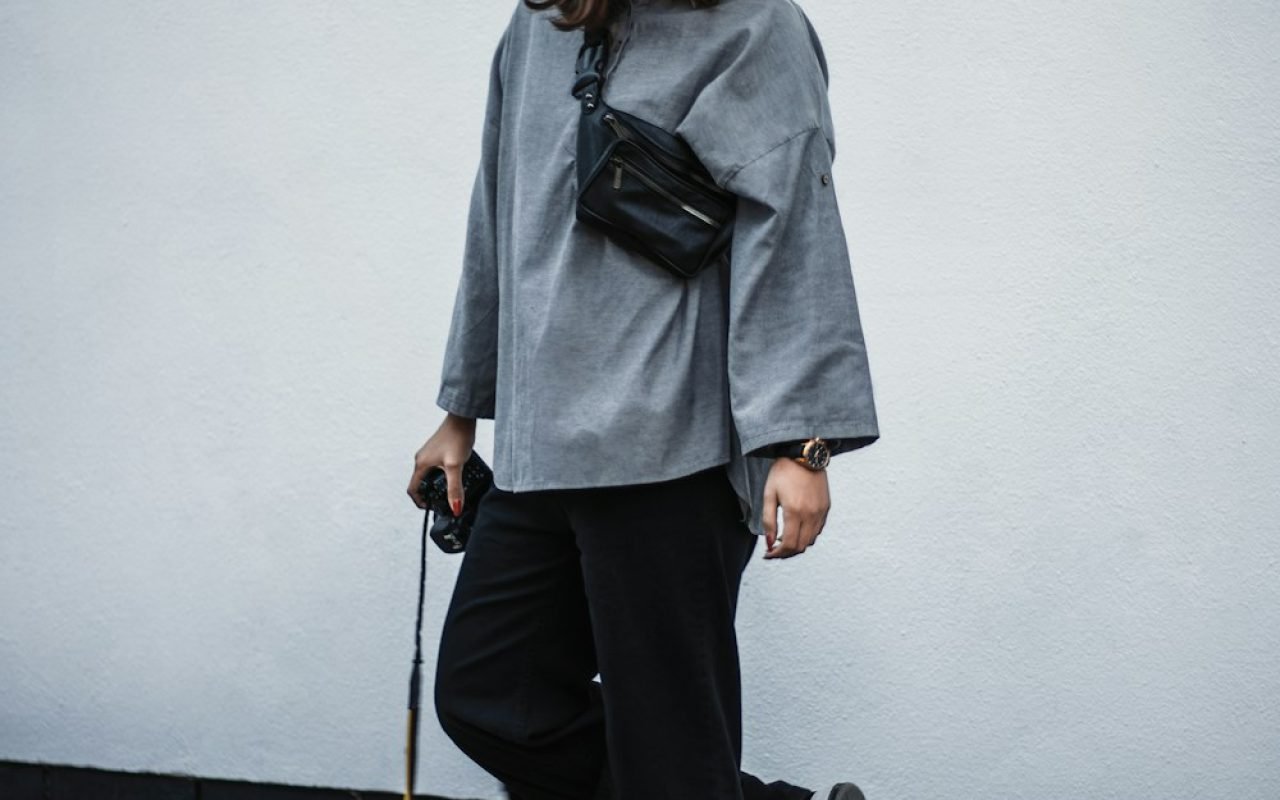
Bags followed the same logic. Big, soft totes and roomy crossbody bags dominated, sized to hold a laptop, a water bottle, a sweater and the occasional pair of backup shoes. Tiny evening bags were nearly absent during the day. The few small bags we did see were worn across the body, leaving both hands free for coffee, phones and transit cards.
Secondhand in the mix
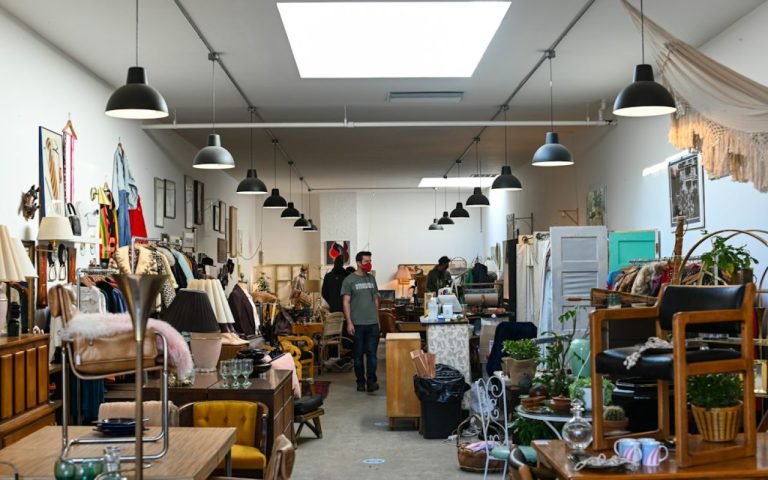
Our week also showed how much vintage and secondhand clothing has moved into everyday wear. In every city, a good share of the commuters we stopped said at least one piece of their outfit was thrifted, inherited or bought from a resale site. Older blazers and wool trousers fit the relaxed tailoring trend perfectly, because they were often cut more generously to begin with. Several people told us they shop secondhand first and only buy new when they cannot find what they need.
How to wear it yourself
If you want to try the look, you probably own half of it already. Start with a pair of trousers that are a little looser than your usual cut and a blazer or structured cardigan you can wear open. Add flat shoes with some shape, such as a loafer, a ballet flat or a minimal leather sneaker.
Keep the palette soft. Swap one black piece for gray or brown and see how it changes the mood. Then pick a single accent, a scarf, a bag or a coat, and let it do the talking.
Key takeaway: the most stylish people on the street this season dressed for the day they actually had, not the day a magazine imagined for them.
The bottom line
Fashion has always moved between extremes, and the pendulum will swing again. But this fall, the street was clear. Comfort is not the opposite of style anymore. It is the starting point. Relaxed tailoring, soft grays, warm browns and flat shoes are not a compromise for these commuters. They are simply what looks right on a person who has somewhere to be.
We will be back on the sidewalks in spring to see what changes. Our bet is that the shoes will still be flat.