

Yellowstone is bigger than Rhode Island and Delaware combined. The secret to enjoying it is to stay in two different areas instead of driving back to one hotel every night. We learned that on our first visit, when we spent nearly four hours a day in the car, crawling behind bison jams and hunting for parking at the same crowded geysers. On our second trip, we split five days between the geyser country in the southwest and the wildlife-rich valleys in the northeast. We drove less, saw more and watched wolves at dawn with a thermos of coffee in hand. Here is the loop we recommend.
Best time June & September · Stay 5 days · Budget $$$
Planning your visit
June and September are the sweet spots. In June, the park is green, baby bison and elk calves are everywhere and waterfalls are running high. September brings cooler weather, fewer crowds, golden grasses and the sound of bugling elk. July and August are the busiest months, with heavy traffic and full lodging. Many park roads close for the winter season, and some higher roads may not open until late spring, so check the park’s road status before you plan your dates.


Lodging inside the park books up far in advance, sometimes a year or more ahead for summer. Park campgrounds also fill quickly. If you cannot find a room inside, gateway towns like West Yellowstone, Gardiner and Cooke City make good bases. Remember that distances in Yellowstone are long and speed limits are low, usually 45 miles per hour or less, so a gateway town an hour away from your sights adds two hours of driving to your day.
Download offline maps before you arrive, since cell service is spotty or nonexistent in much of the park. Fill your gas tank whenever you can, and pack a cooler with lunches and snacks. Food options exist inside the park, but they can be crowded and far apart.
Where to base yourself
Spend two nights near Old Faithful for the geyser basins and three in or near the Lamar Valley side for wildlife. This split cuts your driving time in half and puts you close to the action at the times of day that matter most: early morning and evening.
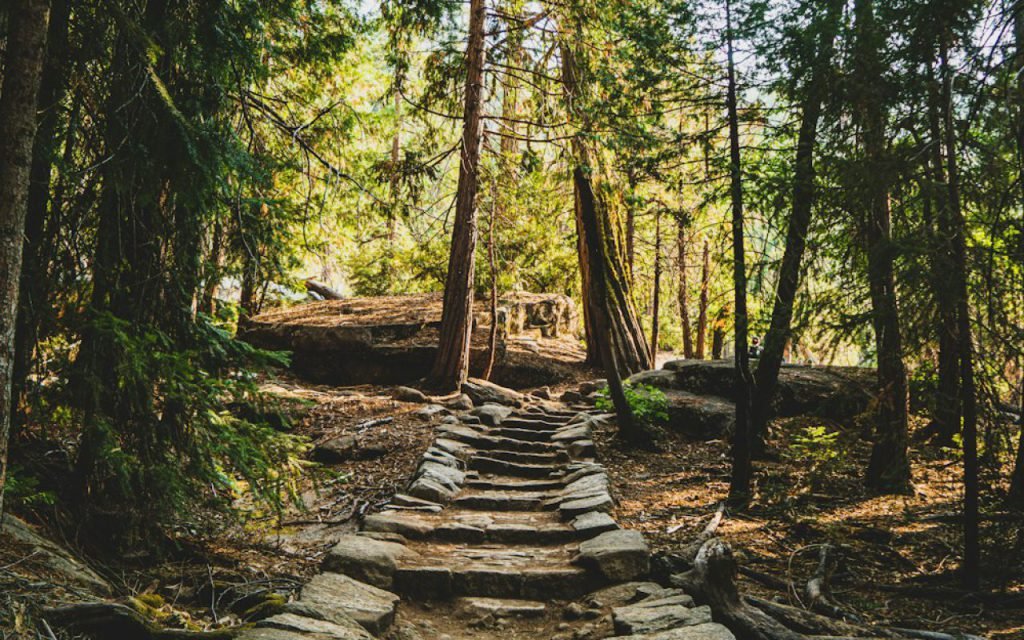
Our five-day loop looked like this:
- Day 1: Enter from the west, explore the Norris and Midway geyser areas, then settle in near Old Faithful.
- Day 2: A full geyser day in the Upper Geyser Basin and Grand Prismatic.
- Day 3: Drive past Yellowstone Lake and through Hayden Valley to the Grand Canyon of the Yellowstone, then continue to the northeast side.
- Day 4: Dawn wildlife watching in the Lamar Valley, then a relaxed afternoon hike.
- Day 5: One more dawn in the Lamar Valley, then Mammoth Hot Springs on the way out through the north entrance.
The geyser day
Walk the Upper Geyser Basin boardwalks early, then hike the short trail to the Grand Prismatic Overlook in the afternoon when the steam has lifted. The Upper Geyser Basin has the highest concentration of geysers in the world, and Old Faithful is only the beginning. Boardwalks wind for miles past bubbling hot springs, colorful pools and geysers that erupt on their own unpredictable schedules.
Arrive early, ideally before 8 a.m., when the boardwalks are quiet and the steam rising off the pools catches the morning light. Check the predicted eruption times at the visitor center for Old Faithful and a few other predictable geysers, and plan your walk around them. Morning Glory Pool, at the far end of the basin, is a lovely and less crowded walk.
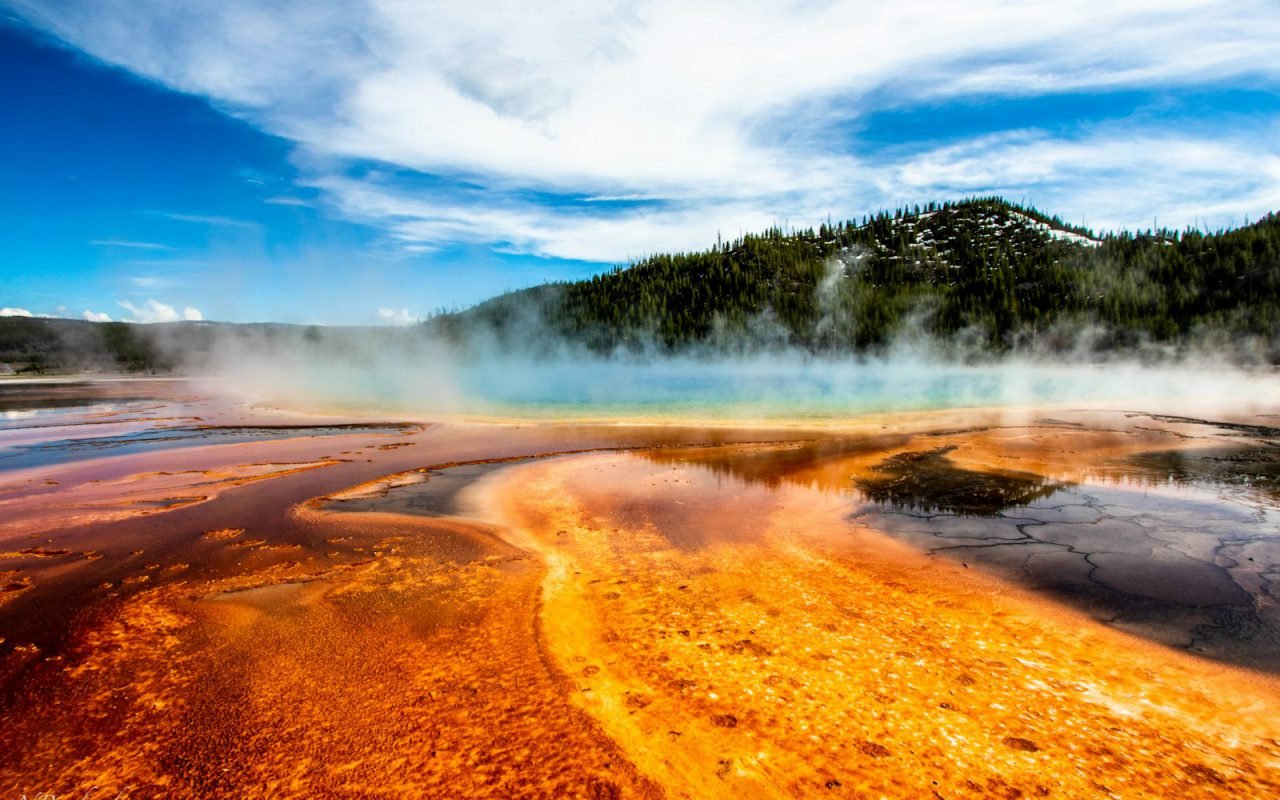
In the afternoon, drive a few miles north to the Fairy Falls trailhead and hike the short, steady climb to the Grand Prismatic Overlook. From above, you can see the full rainbow of colors in this enormous hot spring, from deep blue in the center to bright orange and yellow at the edges. Afternoon is better than morning here, because cool morning air keeps the spring covered in steam.
Thermal area safety
- Always stay on boardwalks and marked trails. The ground near hot springs can be thin and the water can be scalding.
- Never touch the water or throw anything into pools.
- Keep children close and pets in the car or on paved areas only.
- Follow all posted signs and closures.
Wildlife at dawn
Bison, elk and, with luck, wolves are most active in the Lamar Valley in the first hour after sunrise. Bring binoculars and a thermos. The Lamar Valley, in the northeast corner of the park, is often called the “Serengeti of North America,” and for good reason. Wide, open grasslands stretch between the mountains, dotted with herds of bison, pronghorn and elk. Wolves and grizzly bears roam the surrounding hills.
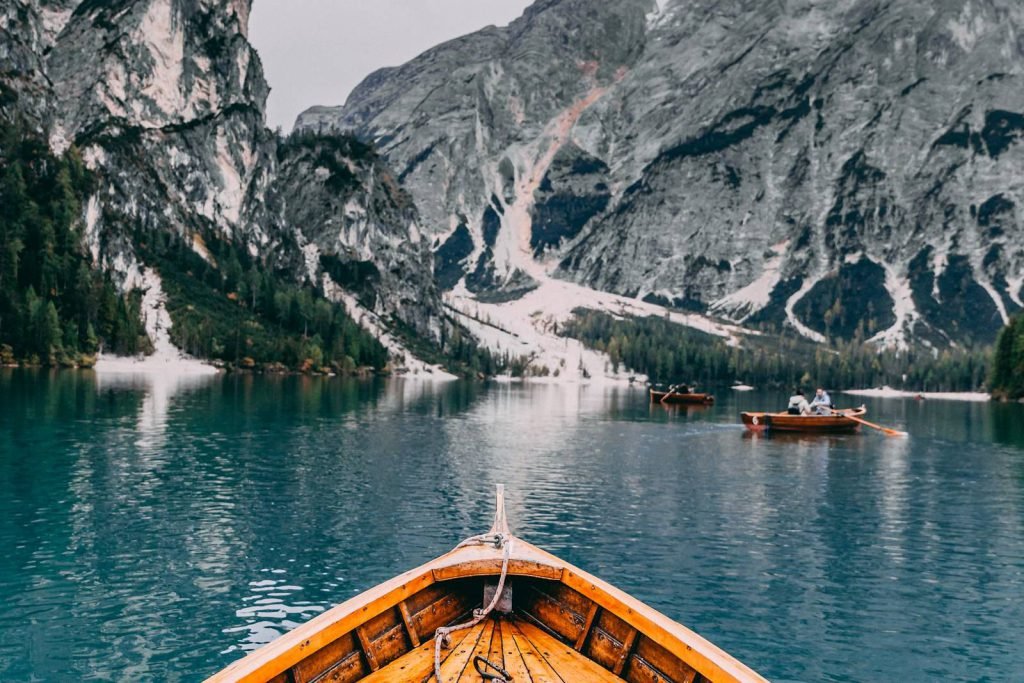
Leave your lodging before sunrise and drive slowly into the valley. Look for pullouts where other wildlife watchers have set up spotting scopes. They are usually happy to share what they are seeing and often let you take a peek. Pull completely off the road before stopping, and never stop in the middle of the road, even for an amazing sighting.
Stay 25 yards from bison and elk and 100 yards from bears and wolves. Every year someone learns why.
Park ranger Eli Navarro
Ranger Eli Navarro says visitors often underestimate how fast large animals move. “A bison can outrun you, and they don’t give much warning. Use binoculars and a long lens, stay in or near your car when animals are close and give them plenty of room.” Carry bear spray when hiking, and learn how to use it before you need it.
After the dawn watch, head back for a big breakfast and a nap. Evening, in the hour before sunset, is another good time for wildlife, so plan a second drive or a short walk then.
Don’t miss
- Grand Prismatic from the Fairy Falls overlook
- Old Faithful at sunset
- Dawn in the Lamar Valley
- The Grand Canyon of the Yellowstone at Artist Point
Artist Point offers one of the most famous views in the park, with the Lower Falls pouring into a canyon of golden, pink and orange rock. Visit midmorning, when the sun lights up the canyon walls, and walk part of the rim trail for different angles.
On the drive between the two bases, slow down through Hayden Valley, another excellent place to spot bison and the occasional grizzly along the Yellowstone River. Stop at a lakeside picnic area on Yellowstone Lake for lunch, and keep an eye on the weather. Afternoon thunderstorms are common in summer, and temperatures can swing from warm to near freezing in a single day, so keep a rain jacket and a warm layer in the car at all times.
Key takeaway: Split your stay, start early, keep your distance from wildlife and let the geysers and valleys come to you instead of chasing them across the park.
Slowing down in a big park
It is tempting to try to see everything in Yellowstone, and the park’s size makes that nearly impossible. Five days, two bases and a loop that avoids backtracking give you a real taste of its two great wonders: the restless, steaming ground and the wild animals that roam across it. Leave a little time for a picnic by a river, an evening ranger program or simply sitting on a log near a meadow at dusk. Those slow moments, more than any checklist, are what you will remember about Yellowstone.






Thanks for explaining this so clearly.
Great reporting — please keep following this story.