

A vase of dried flowers costs nothing, needs no water and brings a little summer into a winter kitchen. The best part: you can dry them yourself. Not long ago, dried bouquets were associated with dusty grandmother’s parlors and faded arrangements left too long on a hall table. Today they are back in a big way, appearing in florist windows, on restaurant tables and in the pages of design magazines. Softer, wilder and more natural than the stiff arrangements of decades past, the new dried bouquets feel relaxed and modern, and they last for months.
Drying your own flowers is one of the simplest and most satisfying garden projects there is. It takes only string, a dark closet and a little patience. We visited Elena Ruiz, a florist in Santa Fe, New Mexico, whose shop sells fresh flowers in summer and dried ones nearly year round, to learn which flowers dry best, when to pick them and how to arrange them so they look fresh rather than forgotten.
What dries well
Lavender, statice, strawflowers, hydrangeas, eucalyptus and grasses all hold their color and shape. The best candidates for drying are flowers with relatively low water content and sturdy petals, along with plants whose seed heads, pods or leaves are naturally papery. These hold their form as they dry, rather than shriveling into brown wisps.


- Lavender: keeps its purple color and its scent for many months.
- Statice: papery blooms in purple, pink, white and yellow that barely change as they dry.
- Strawflowers: crisp, bright petals that look nearly identical dried or fresh.
- Hydrangeas: large, soft heads that fade to antique shades of green, blue and rose.
- Eucalyptus: silvery leaves with a clean, fresh scent.
- Grasses: feathery plumes and seed heads that add movement and texture.
Other good choices include yarrow, globe amaranth, nigella seed pods, poppy pods, sea holly, wheat and small roses. Fleshy flowers with lots of water in their petals, such as lilies and tulips, rarely dry well by hanging.
When to pick
Pick them a day earlier than you think. They keep opening while they dry.
Elena Ruiz, florist
Timing matters more than any other step. A flower picked at full bloom will continue to open as it dries, and by the time it is ready, it may look blown out or begin to shed. Picking slightly early, when buds are just beginning to open, gives you neat, compact flowers that stay looking fresh.
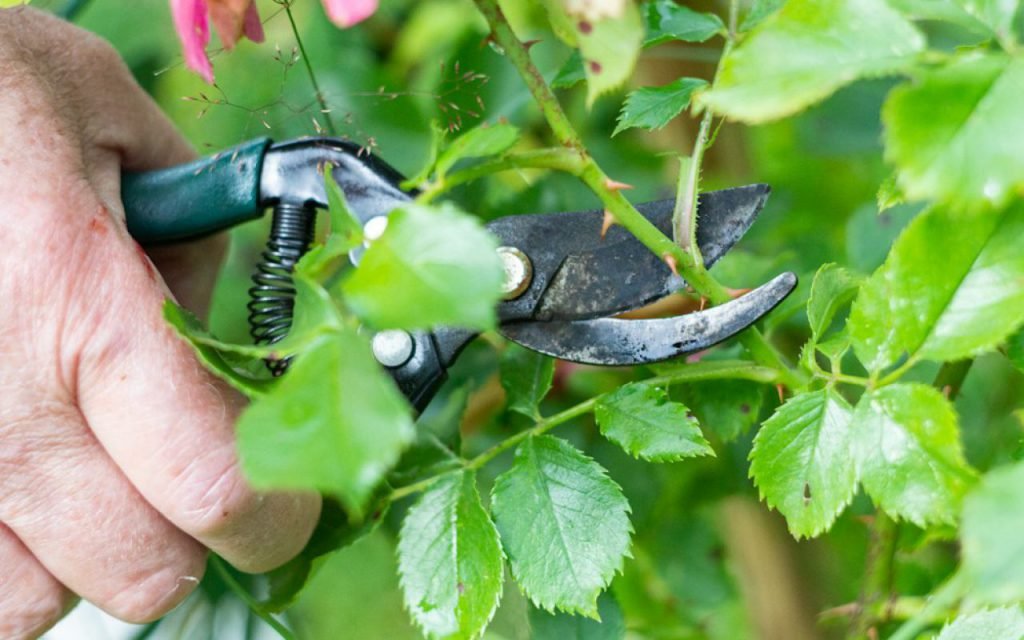
Cut on a dry, sunny morning after the dew has evaporated but before the heat of midday. Wet flowers are prone to mold as they dry. Use clean, sharp pruners and cut stems long, at least twelve inches, so you have plenty of room to tie them and trim them later. Hydrangeas are the exception to the early-picking rule; they dry best when left on the plant until late summer, when their heads begin to feel slightly papery to the touch.
How to dry them
Strip the lower leaves, tie small bunches with string and hang them upside down in a dark, dry closet for two to three weeks. That is the entire method, and it works for nearly every flower on the list above. Here are the steps in a little more detail:
- Remove the leaves from the lower two-thirds of each stem, since leaves hold moisture and slow drying.
- Gather small bunches of five to ten stems, keeping each bunch loose so air can circulate.
- Tie the stems tightly with string or a rubber band. Stems shrink as they dry, and a rubber band tightens with them.
- Hang bunches upside down from a hanger, a rod or a length of string in a dark, dry, well-ventilated space.
- Leave them alone for two to three weeks, until stems snap cleanly rather than bend.
Darkness is essential for keeping colors bright, since sunlight quickly fades petals. A closet, a spare room with the blinds drawn, or a dry attic all work well. Avoid basements and bathrooms, where humidity can cause mold. Hanging upside down keeps stems straight and flower heads upright once you turn them right side up.
Other methods
Some flowers prefer different treatment. Hydrangeas can be dried standing upright in a vase with about an inch of water, which they slowly absorb as the heads dry. Delicate single blooms, such as pansies and small roses, can be pressed flat between sheets of paper inside a heavy book for use in cards and framed pictures. For flowers that need to keep their full shape, such as zinnias or dahlias, crafters sometimes bury them in silica gel, a drying powder sold at craft stores; follow the package directions carefully.
Arranging
Mix three textures — something round, something spiky and something soft — and keep the vase simple. Dried flowers can look flat and dusty when everything in the vase has the same shape and color. Combining contrasting textures brings an arrangement to life.
Elena often starts with something round and bold, such as a hydrangea or a cluster of strawflowers, adds something spiky, like lavender, wheat or sea holly, and finishes with something soft and feathery, perhaps a few plumes of grass. She arranges loosely, letting stems lean and wander rather than standing them in tight rows.
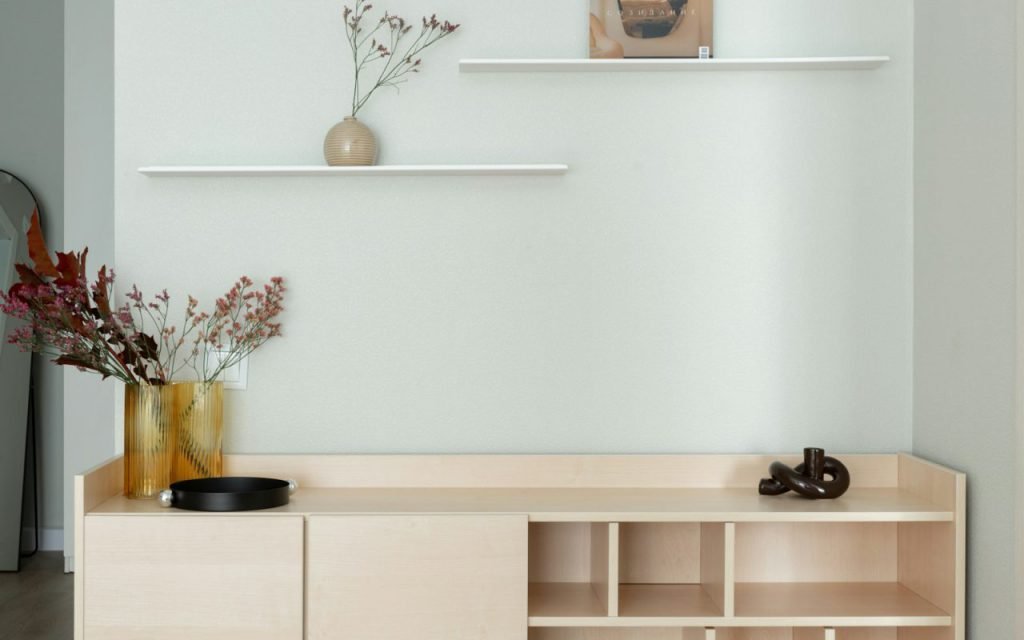
Simple containers work best: a stoneware jug, a clear glass bottle, an old mason jar or a small ceramic vase. Because dried flowers need no water, you can also use containers that would never hold a fresh bouquet, such as baskets, wooden boxes or a teacup. A single bunch of lavender tied with ribbon and hung on a kitchen door is perhaps the simplest arrangement of all.
Tips
Dried flowers are low maintenance, but a little care keeps them looking good for many months:
- Cut flowers just before they fully open
- Keep dried bunches out of direct sun
- A light mist of hairspray keeps petals from shedding
Sunlight fades dried flowers faster than anything else, so place arrangements away from bright windows. A very light mist of unscented hairspray, held at arm’s length, helps hold petals and seed heads in place, especially on grasses and hydrangeas. To dust an arrangement, use a hair dryer on the coolest, lowest setting from a distance. Dried flowers are flammable, so keep them well away from candles, fireplaces and stoves.
Dried flowers also make thoughtful, inexpensive gifts. A small bundle of lavender tied with twine, a jar of mixed strawflowers or a wreath of eucalyptus and grasses can be made in an afternoon and will last far longer than a fresh bouquet. Elena likes to keep a basket of dried bunches by her front door through the holidays, ready to hand to friends, neighbors and visitors. Wrapped in brown paper with a handwritten tag, they feel personal and generous.
Key takeaway: Pick early on a dry morning, hang small bunches upside down in the dark for two to three weeks, and arrange with a mix of round, spiky and soft textures.
Summer, saved
Most dried arrangements look their best for about six months to a year, after which colors fade and stems become brittle. When that happens, compost them and start again with the next summer’s harvest. Elena says the yearly rhythm is part of the pleasure: cutting armfuls of flowers in August, hanging them in the dark and opening the closet in September to find a whole season waiting. On a gray February afternoon, when the garden outside is bare, a jug of last summer’s lavender on the kitchen table is a quiet reminder that warmer days will return.








Thanks for explaining this so clearly.
Great reporting — please keep following this story.