
We aren’t mechanics, but a small box of parts has saved several trips. It lives in a scuffed red tackle box behind the driver’s seat, it weighs about six pounds and it has gotten us out of a dead dashboard in Utah, a flat tire on a gravel road in Montana and a flapping bumper on the interstate outside Tulsa. None of those fixes were permanent. All of them got us safely to the next town, where a real professional could take over.
Here’s what’s in it, why each item earned its spot and the simple habits that make the box useful instead of just heavy. Think of this as a starting list, not a rulebook. Your vehicle, your routes and your comfort level should shape your own kit.
The small stuff
Spare fuses, a tire plug kit, zip ties and a roll of strong tape. Those four things have done more for us than every fancy gadget we have ever bought. They are cheap, light and solve a surprising number of roadside problems.


Spare fuses
When our dashboard lights and phone charger died at once in southern Utah, we thought the worst. It turned out to be a single blown fuse. Our owner’s manual showed us which fuse box and which slot, and a two-dollar replacement brought everything back. We now carry an assortment pack that matches the fuse types our van uses, plus the little plastic puller tool. One rule we always follow: replace a fuse only with the same amp rating, and if the new one blows right away, stop and have the system checked. A repeating blown fuse is a symptom, not the problem.
Tire plug kit and inflator
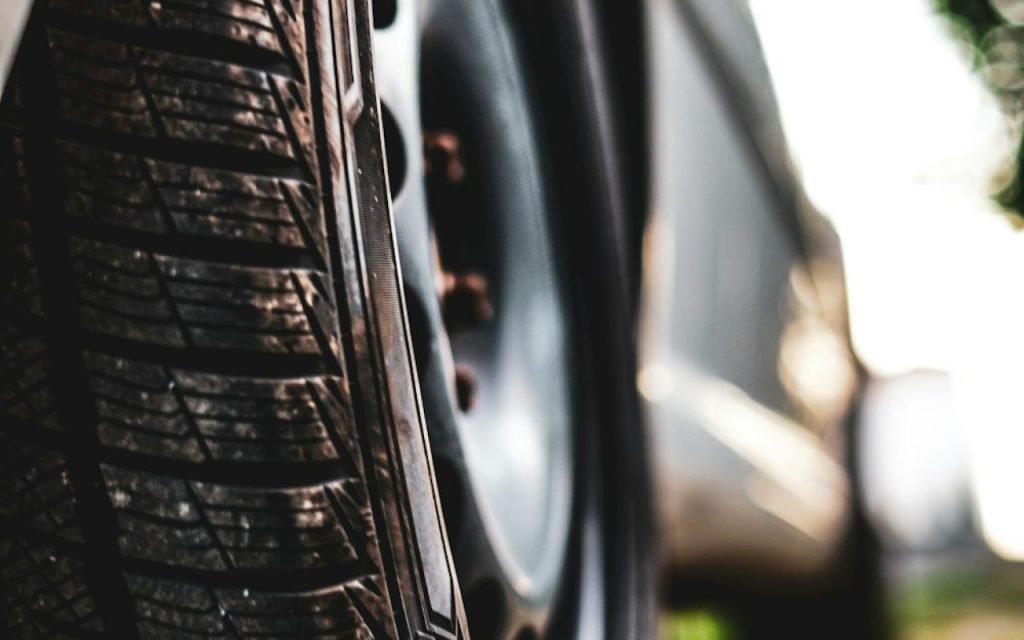
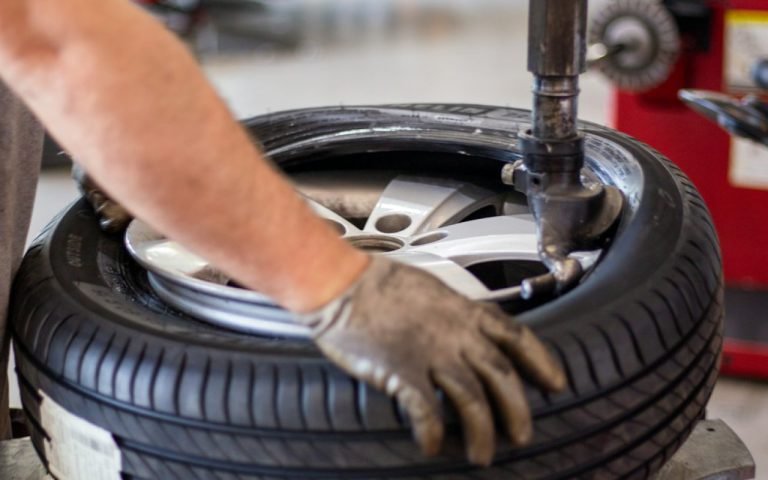
A plug kit lets you temporarily patch a simple puncture in the tread, like a nail or screw. Paired with a small 12-volt air compressor, it can get you rolling again without changing the tire. We practiced on an old tire at home first, which made the real thing much less stressful. Plugs are a temporary fix meant to get you to a tire shop, and they are not suitable for sidewall damage or large cuts.

Zip ties and strong tape
The world’s most useful tape has held our bumper on, sealed a cracked water jug, wrapped a frayed charging cable and patched a tear in our awning. We carry a full roll of heavy-duty duct tape and a roll of electrical tape. Zip ties come in a mix of sizes, and the long ones are worth their weight in gold. When our splash guard came loose on the highway, four zip ties had it secure in five minutes.
The right five-dollar part can save a five-hundred-dollar tow.
Maya
The full list
Beyond the big four, our box holds a handful of other items we have needed at least once. Everything here is simple and inexpensive.
- Jumper cables or a compact jump starter pack, charged monthly.
- A tire pressure gauge and a 12-volt air compressor.
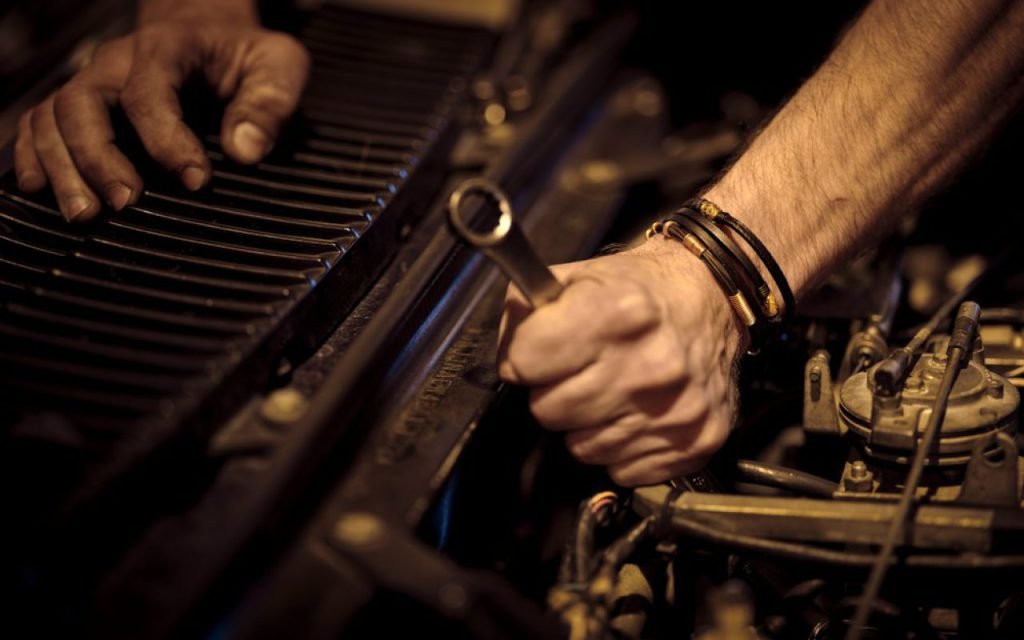
- A basic socket set, screwdrivers, pliers and an adjustable wrench.
- Work gloves and a headlamp with spare batteries.
- A quart of the engine oil our van uses and a jug of coolant.
- Spare wiper blades and a gallon of washer fluid.
- Hose clamps in two sizes and a short length of wire.
- Reflective triangles and a high-visibility vest.
- Rags, hand cleaner and a small tarp to kneel on.
We also carry a full-size spare tire, a jack and a lug wrench that actually fits our lug nuts. That last part sounds obvious, but we learned the hard way that the factory wrench can be flimsy. We bought a sturdier one for about twenty dollars.
The know-how
We watched a few videos at home before we ever needed any of it. Parts are only half the kit. The other half is knowing what to do with them, and that is best learned in a quiet driveway on a sunny afternoon, not on a dark shoulder with trucks roaring past.
Here is how we built our basic skills without becoming mechanics:
- Read the owner’s manual. Ours shows where the fuse boxes, jack points and spare tire live, and it lists tire pressures and fluid types.
- Do a practice tire change. We timed ourselves. The first try took forty minutes. Now it takes about fifteen.
- Find the fuses. We opened every fuse box and took a photo of each diagram.
- Check fluids together. Oil, coolant, brake fluid and washer fluid, with the engine cool.
- Take a free class. A friendly shop in our hometown, Hollis Auto Care, hosts a short basics night each spring. It was worth every minute.
Know when to stop
The most important skill in our kit is knowing when not to use it. Some problems are simple. Many are not. If we smell burning, see smoke, notice a brake problem, hear grinding or see a warning light we do not understand, we pull over safely and call for help. We carry roadside assistance through our insurance and keep the number saved in both phones and written on a card in the glovebox.
Safety comes first on the shoulder of any road. We pull as far off as we can, turn on the hazard lights, set out reflective triangles and wear the bright vest. On a busy highway, we often stay well away from the vehicle, behind a guardrail if there is one, while we wait. No repair is worth standing in traffic.
Key takeaway: a small parts box buys you time and options, but it does not replace a qualified mechanic. Use it to get to safety and to the next shop, not to rebuild an engine in a parking lot.
Keep the box ready
A kit only works if it is complete when you need it. We check ours at the start of every big trip and after any time we use something from it. The jump starter gets charged, the batteries get swapped, and anything we used gets replaced at the next auto parts store. We also keep a short note inside the lid listing what is in the box, so we notice right away when something is missing.
Weather matters too. Before a winter trip, we add an ice scraper, a small folding shovel, a bag of kitty litter for traction and extra warm layers. Before a summer desert trip, we add more water than we think we need, both for us and for the radiator, and a reflective windshield shade. The core box stays the same all year; the seasonal extras ride along in a separate bag.
Building this kit took us a few weekends and less than two hundred dollars spread over a year. It has paid for itself many times over, mostly in peace of mind. If you are planning your first long trip, start with the four basics, learn the simple skills at home and add the rest as you go. Then hit the road and hope you never have to open the box.
Basic guidance only. See a qualified mechanic for real repairs.







Sharing this with my friends.
Saved this one for later. Really useful.