Before every big trip we spend ten minutes looking over the car. It has saved us more than once. One spring, it caught a tire with a nail slowly leaking air the night before a long drive to Utah. Another time, it showed us that the coolant was alarmingly low just before we headed into the desert in July. Both of those could have ended in a long wait on the side of the road. Instead, they ended with a quick, cheap fix in town.
You don’t need to be a mechanic. Just curious. Neither of us had any real car knowledge when we started road tripping. We learned by reading the owner’s manual, asking questions at the tire shop and slowly building a routine. This is that routine, step by step.
Why ten minutes matters
Most roadside breakdowns do not come out of nowhere. Low fluids, worn tires, weak batteries and burned-out lights often give warning signs well before they fail. A quick check in your driveway is a chance to catch those signs while you still have time, a phone signal and a nearby shop.


The other benefit is peace of mind. Long drives are more relaxing when you are not wondering about that strange noise or the tire that looked a little low last week. You know the car is ready, so you can focus on the road and the view.
Before you start
Do your checks on a flat, level surface with the engine off and cool. Some checks, like tire pressure and coolant, only give accurate readings when the car has not been driven recently. First thing in the morning is ideal. Keep your owner’s manual handy, because it shows exactly where everything is on your specific car and what the correct levels and pressures should be.

Fluids and tires
Check oil, coolant and washer fluid. Check tire pressure when the tires are cold. These are the checks that matter most, and they take only a few minutes once you know where to look.
Oil: Pull out the dipstick, wipe it clean with a rag, push it all the way back in and pull it out again. The oil should sit between the two marks. If it is low, add a little of the type listed in your manual, then check again. Very dark, gritty or milky oil is a reason to visit a mechanic.
Coolant: Look at the plastic overflow tank, usually marked with minimum and maximum lines. Never open the radiator cap or coolant cap when the engine is hot, because the system is under pressure and can spray scalding fluid.
Washer fluid: Easy to forget and very annoying to run out of on a dusty or buggy highway. Top it up before every trip.
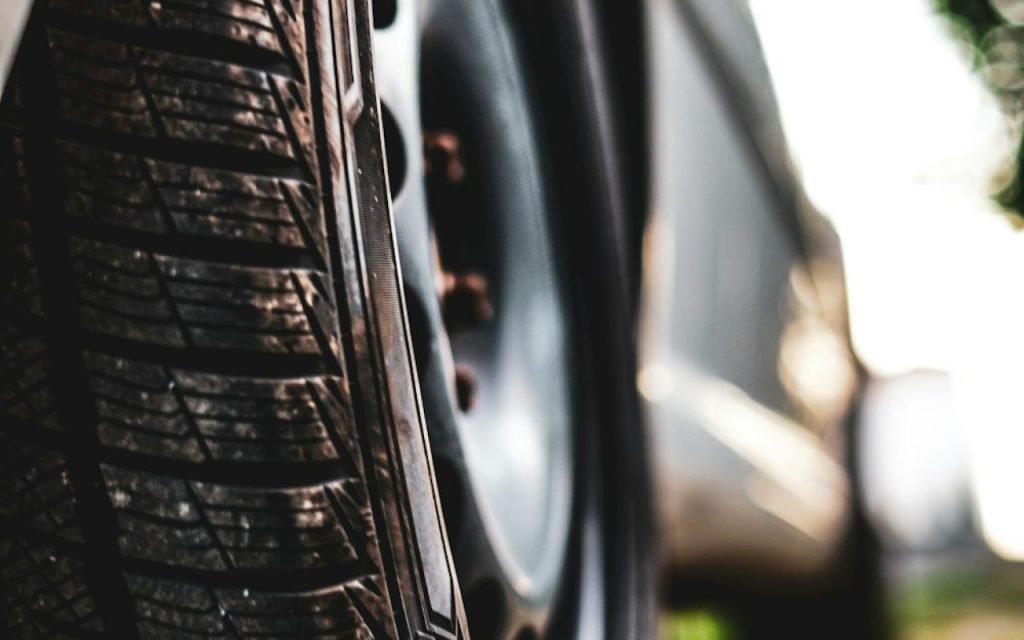
Tires: Use a simple gauge to check the pressure in all four tires, plus the spare. The correct pressure for your car is usually printed on a sticker inside the driver’s door frame, not on the tire itself. While you are down there, look for bulges, cracks, nails or uneven wear.
For tread depth, many people use the penny test. Place a penny upside down into the tread grooves. If you can see the top of the head on the coin, your tread is probably getting low and it is time to talk to a tire shop.
Ten minutes in the driveway beats three hours at a roadside shop.
Maya, contributing writer
Lights and wipers
Walk around with the lights on. Replace wipers every fall. This check is easiest with two people. One sits in the car and turns on the headlights, high beams, turn signals and hazards, while the other walks around and looks. Then press the brake pedal and check the brake lights. If you are on your own, you can back up toward a garage door or a shop window at night and look in the mirrors for the reflection.
A burned-out bulb is a small fix, but driving without working lights is unsafe and can get you pulled over. Many bulbs are easy to replace with basic tools, and an auto parts store can often help you find the right one.
Wiper blades wear out faster than most people realize, especially in hot sun. If they streak, skip or chatter across the windshield, replace them. We swap ours every fall, before the rain and snow arrive, and it is one of the cheapest safety upgrades you can make.

The checklist
Here is the short version we keep on an index card in the glove box. We go through it before any drive longer than a few hours:
- Oil level
- Tire pressure and tread
- Coolant and washer fluid
- All lights
- Wiper blades
On longer trips, especially into remote areas, we also add a few extra checks:
- Battery: Look for corrosion on the terminals. If your battery is more than a few years old, ask a shop to test it.
- Belts and hoses: With the engine off, look for cracks, fraying or soft, bulging spots.
- Brakes: Listen for squealing or grinding, and notice if the pedal feels soft. Any brake concern means a visit to a mechanic before you leave.
- Emergency kit: Jumper cables, a flashlight, a first aid kit, water and a warm blanket.
- Paperwork: Registration, insurance card and roadside assistance number.
Key takeaway: Fluids, tires, lights and wipers cover the most common problems. Ten minutes is all it takes.
When to call a mechanic
The point of this checklist is not to turn you into a mechanic. It is to help you notice when something needs a professional. Book a visit with a qualified mechanic before your trip if you notice any of these:
- A warning light on the dashboard that stays on.
- Fluid leaks or puddles under the car.
- Strange smells, such as burning or a sweet syrupy odor.
- Grinding, squealing or knocking noises.
- The car pulling to one side, shaking or vibrating.
- A tire that keeps losing air.
It is also smart to schedule regular maintenance according to your owner’s manual, such as oil changes and tire rotations. If a big trip is coming up and you are close to a service interval, get it done before you leave rather than on the road.
Make it a habit
The first time you go through this list, it might take twenty minutes as you hunt for the dipstick and figure out the coolant tank. By the third time, it will take ten. Eventually, it becomes as automatic as packing snacks.
We have come to enjoy it. It is a little ritual that marks the start of every adventure, a quiet moment in the driveway with a cup of coffee before the miles begin. And every so often, it catches something that would have turned a great trip into a long, expensive day waiting for a tow truck.
Basic guidance only. See a qualified mechanic for anything that looks wrong.