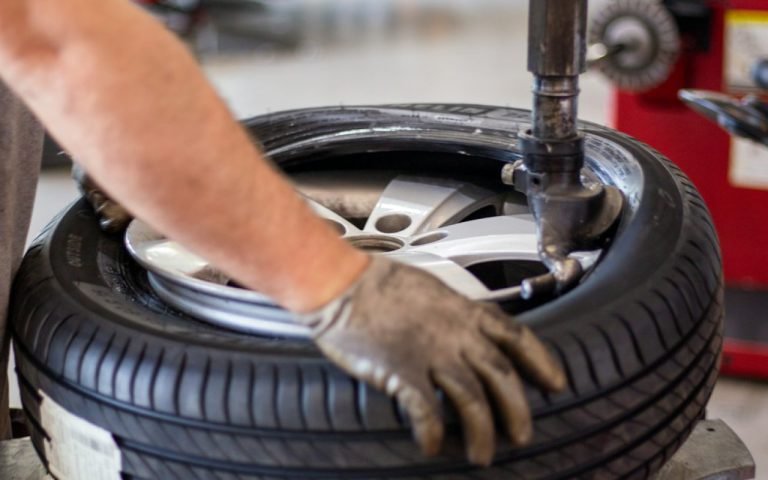

MINNEAPOLIS — The first measurable snow has not yet fallen in the Twin Cities, but the waiting list at Northfield Tire & Alignment already stretches into the second week of November. Owner Gary Lindqvist said appointments to mount winter tires started booking up in late September, about two weeks earlier than usual.
“People got caught last year when that early storm came through on a Tuesday morning,” Lindqvist said. “This year they’re not waiting.”
Winter tires, sometimes still called snow tires, have become more common across the Snow Belt as more drivers learn the difference between them and the all-season tires that come standard on most new cars. Here is a look at what they do, what they cost and the questions drivers most often ask.


How winter tires are different
The key is rubber chemistry. All-season tires use compounds that stay flexible in mild weather but begin to stiffen as temperatures drop below about 45 degrees Fahrenheit. Winter tires use softer compounds designed to stay pliable in deep cold, which helps them grip ice and packed snow.
They also have deeper treads and thousands of tiny slits, called sipes, that act as biting edges. Independent braking tests by the Great Lakes Driving Institute found that a typical sedan on winter tires stopped on ice about 20 percent shorter than the same car on all-seasons.
All-wheel drive helps you get moving. It does nothing to help you stop or turn. Tires are the only part of the car actually touching the road.
Renee Halverson, lead instructor, Great Lakes Driving Institute
What to know before buying
- Cost: a set of four typically runs $600 to $1,200 for a compact car or crossover, plus mounting.
- Wheels: buying a second set of inexpensive steel wheels, often $300 to $500, makes seasonal swaps faster and cheaper.
- Timing: many shops suggest installing them when daytime highs consistently fall below 45 degrees and removing them in spring.
- Lifespan: used only in winter, a set often lasts four to six seasons.
- Look for: the mountain-and-snowflake symbol on the sidewall, which indicates the tire met a standardized snow traction test.
Tire professionals generally recommend installing winter tires on all four wheels rather than just the drive wheels, which can make a car’s handling unpredictable in a slide. Some drivers opt for “all-weather” tires, a newer category that carries the snowflake symbol but can be used year-round. They are a compromise, said Lindqvist, offering better winter grip than all-seasons but not matching a dedicated winter tire on ice.
Not everyone thinks winter tires are necessary. In cities that plow and salt aggressively, some drivers say good all-season tires with plenty of tread are enough. Mark Ostrowski, a fleet manager for a Milwaukee delivery company, said his company equips only vehicles assigned to suburban and rural routes. “Downtown, the streets are usually clear by 7 a.m.,” he said. “It’s a cost-benefit decision.”
Insurers have taken note of the debate. Some regional carriers offer small premium discounts for drivers who document winter tire use, though such programs remain uncommon in the United States.
Whatever tires drivers choose, shop owners stress the basics. Check tread depth before winter, since grip falls sharply below about 4/32 of an inch. Check pressure often, because it drops roughly 1 pound per square inch for every 10-degree fall in temperature. And book early.
“The worst day to call a tire shop,” Lindqvist said, “is the morning after the first big snow.”