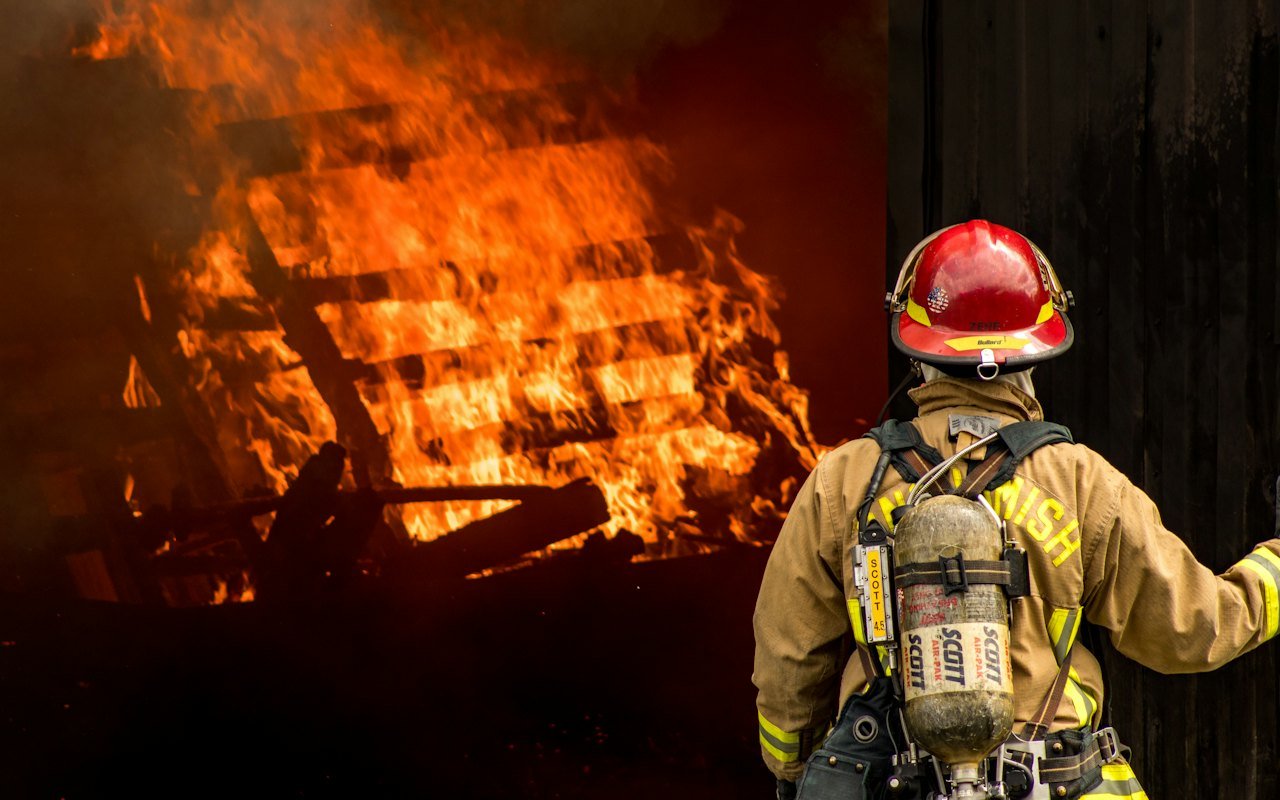

KAMLOOPS, British Columbia — The crew from Montana arrived in the British Columbia interior in early July with chainsaws, hand tools and three weeks of supplies. By the time they flew home, they had cut miles of fire line, protected a ranching community of about 400 people and learned to call a fire camp’s breakfast line “the queue.”
They were among about 1,200 wildland firefighters who crossed the Canada–U.S. border in one direction or the other this season under a long-standing mutual aid arrangement between the two countries, according to figures compiled by the North American Wildfire Coordination Center. “A fire doesn’t care about the border, and neither does a tired crew that needs relief,” said Dana Whitehorse, the center’s operations manager. “When one country is at its peak, the other usually has people to spare. That’s the whole idea.”
Fire seasons that overlap more often
Historically, the busiest stretch of Canada’s wildfire season tended to come earlier in summer, while many regions in the western United States peaked later. That timing made it easier for each country to lend crews to the other. But officials say longer and hotter seasons have increasingly caused those peaks to overlap, forcing tighter planning about when and where crews can be spared.


- Personnel exchanged: about 1,200 firefighters and support staff
- Aircraft shared: 14 air tankers and helicopters
- Typical deployment: 14 to 21 days, plus travel
- Agreement in place: for more than four decades
This year, U.S. crews helped in British Columbia and Alberta during a June and July surge, while Canadian crews later traveled to Oregon, Idaho and northern California as fires there intensified in August.
Learning each other’s ways
Firefighters say the exchanges go beyond extra hands. Crews pick up different tactics, equipment and communication styles. Canadian teams, for instance, often rely heavily on large water pumps and hose lines in remote boreal forest, while many U.S. crews specialize in steep, dry terrain and controlled burning operations.
You come home with new tricks. We learned their hose setups, and they watched how we run burnout operations on steep slopes. Next time we work together, it’s smoother for everybody.
Marco Delgado, superintendent of a U.S. hotshot crew
The exchanges also face challenges. Language differences are minimal, but equipment standards, radio frequencies and paperwork vary. Officials said a joint training program, started three years ago, now prepares about 300 people each spring to serve as liaisons on cross-border deployments.
Some local officials have raised concerns about sending crews away when fire danger at home remains high. Rebecca Lund, a county commissioner in a fire-prone part of eastern Washington, said communities want assurances that their own protection won’t be stretched too thin.
“Helping our neighbors is the right thing to do,” Lund said. “But people here want to know that if a fire starts on our ridge next week, somebody will answer.” Coordination officials said each request is reviewed against local fire danger forecasts before crews are released, and that resources can be recalled if conditions change. Costs are reimbursed by the country receiving help.
Researchers say demand for cross-border support is likely to grow. A study by the Western Forest Fire Research Institute projected that the number of days with high fire danger in parts of western North America could increase by 20 to 30 percent by mid-century.
Back in Kamloops, the ranching community the Montana crew helped protect held a barbecue for firefighters before they left. A hand-painted sign still hangs on a fence along the highway: “Thank you, neighbors.” “That sign is the reason you do it,” Whitehorse said. “It’s two countries, but in a fire camp, it’s one team.”