
MONTERREY, Mexico — On the edge of this industrial city, where cattle grazed only a few years ago, rows of new warehouses and assembly plants stretch toward the mountains. Trucks line up at loading docks, and construction cranes rise above half-finished buildings bearing banners that read “Now Hiring.”
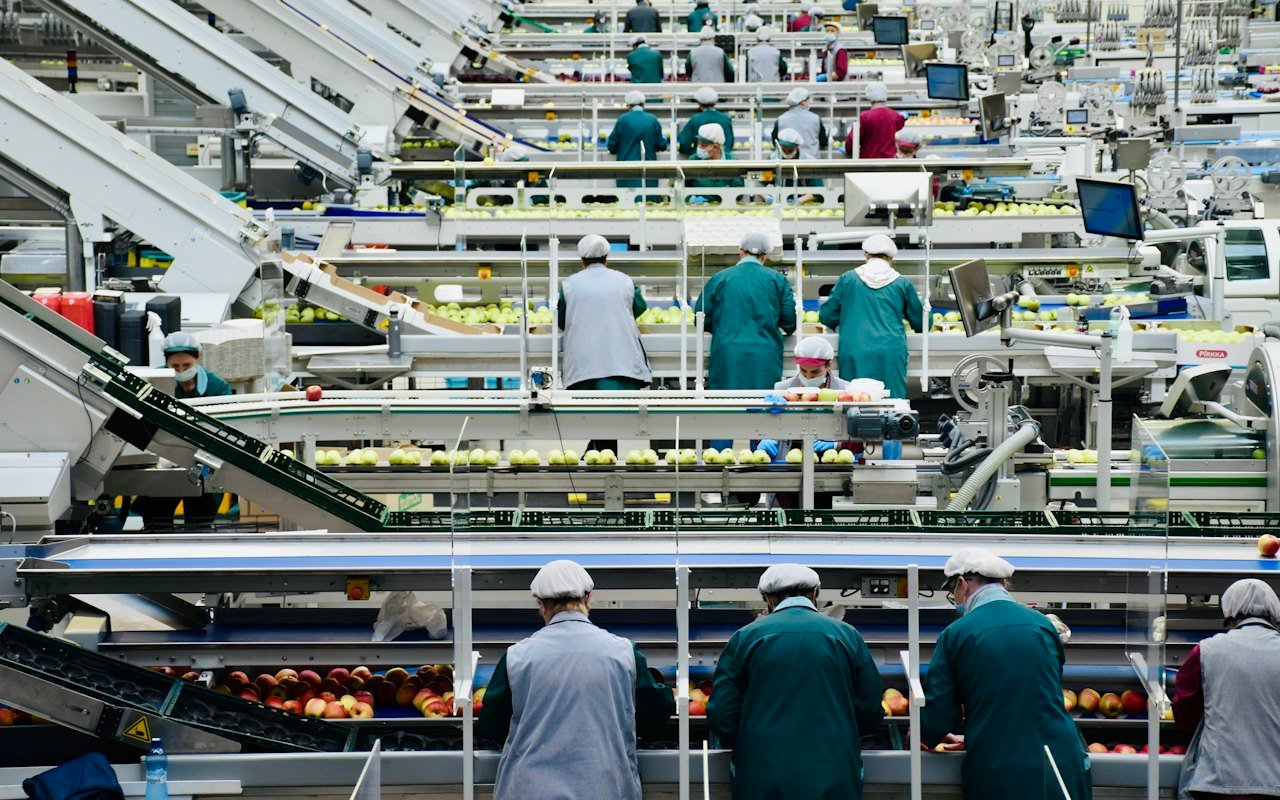
Manufacturers in Mexico’s northern states added about 85,000 jobs over the past 12 months, according to the Northern Mexico Industrial Council, as companies move production closer to customers in the United States. The trend, often called nearshoring, has drawn makers of electrical equipment, appliances, auto parts and medical devices.
“Companies learned a hard lesson about long supply chains,” said Alejandra Treviño, the council’s president. “Being a two-day truck ride from a customer instead of a month on a ship is a powerful advantage.”


A building boom
Developers say industrial park vacancy rates in Monterrey, Saltillo and Ciudad Juárez have fallen to historic lows. New parks are being planned along highways leading to border crossings, and local governments are competing to attract investment with tax incentives and training programs.
- New manufacturing jobs: about 85,000 in 12 months
- Industrial space under construction: roughly 38 million square feet
- Average factory wage: up about 11 percent in two years
- Top sectors: electrical equipment, auto parts, appliances, medical devices
Among the newcomers is Orvalle Industries, a maker of electric motors that opened a plant outside Saltillo this summer and plans to employ 1,400 people. Company executives said proximity to U.S. customers and a skilled local workforce were key factors.
Water, power and housing
The rapid growth has strained basic services. Northern Mexico is largely arid, and several cities have faced water shortages in recent years. Business leaders and officials say new plants must be paired with investments in water recycling, power lines and transportation.
We welcome every new job. But a factory needs water, electricity and workers who have somewhere to live. If we don’t build those at the same pace, the boom will hit a wall.
Rodrigo Salinas, urban planning director in a municipal government near Monterrey
Labor groups say wages have improved but rents in industrial suburbs have risen even faster, pushing some workers into long commutes. Patricia Herrera, an organizer with a workers’ rights center in Ciudad Juárez, said companies should help fund housing and transit for employees. “A worker who spends three hours a day on a bus is a tired worker,” she said. “Good wages need to come with a decent life outside the factory.”
Economists say the boom could add meaningfully to Mexico’s growth, but only if infrastructure catches up. Javier Ochoa, an economist at the Center for North American Trade Studies in Mexico City, estimated that power grid limits alone could delay some projects by a year or more.
Some U.S. manufacturers and labor advocates have watched the trend with mixed feelings, welcoming shorter, more reliable supply chains while worrying about competition for jobs. Supporters of the shift argue that many of the moves come from Asia rather than from U.S. plants, and that closer partners can strengthen regional supply chains as a whole.
State officials in Nuevo León said they are fast-tracking water projects, including an aqueduct and wastewater recycling plants designed to serve industrial users. They also plan to expand technical training at community colleges. At a job fair in Monterrey last weekend, the line stretched around the block. Daniela Garza, 24, who recently finished a technician program, said she had three interviews lined up. “My parents had to move north to find work,” she said. “Now the work is coming to us.”