

Families in the region no longer need to drive two hours for specialized emergency care for children. Mercy General opened a 24-bed pediatric emergency department on Monday, the first of its kind in the area, and by the end of its first shift, staff had treated a broken wrist, two high fevers, a toddler who swallowed a coin and a 9-year-old with a cut chin who left with four stitches and a sticker shaped like a dinosaur.
The unit sits in a new wing on the east side of the hospital campus, with its own entrance, its own ambulance bay and a waiting room that looks more like a children’s library than a clinic. Hospital leaders said it took nearly four years of planning, fundraising and construction to get the doors open.
Built around kids, not adults
Every room has smaller equipment, a parent bed and a screen for movies. Staff include pediatric emergency physicians and child-life specialists. Even the paint colors were chosen with children in mind: soft greens and blues instead of bright white, with murals of forests, rivers and animals running along the hallways.


The idea, according to the unit’s designers, is that a calmer environment can make the whole visit easier. A child who is less frightened is often easier to examine, more willing to hold still for an X-ray and quicker to recover from a painful procedure.
A scared kid is a harder patient. Everything here is built to make them a little less scared.
Dr. Michael Grant, medical director
Grant, who trained in pediatric emergency medicine and spent 12 years at a children’s hospital in another state, was recruited to lead the new department. He said many of the design choices came directly from parents and nurses who were asked what they wished emergency rooms did differently.
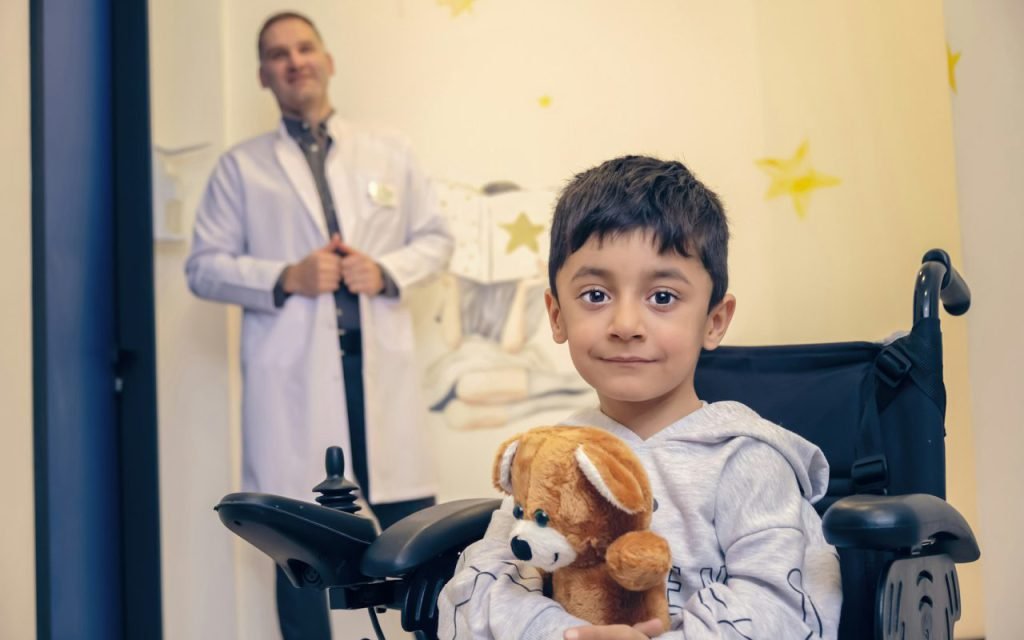
Small details that matter
Some of the features families will notice include:
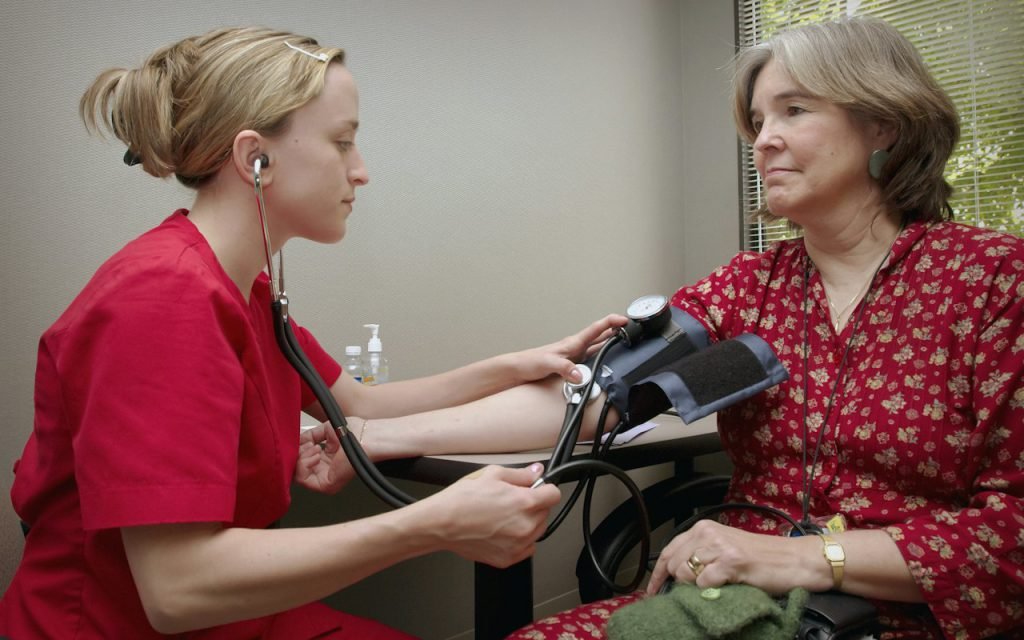
- Blood pressure cuffs, oxygen masks and IV equipment sized for infants, toddlers and teens
- Ceiling-mounted screens so children can watch a movie lying down
- Fold-out beds so a parent can stay overnight if needed
- A separate, quieter area for children with sensory sensitivities
- A treatment room set aside for teenagers, with more privacy
Why the region needed it
Before Monday, the closest dedicated pediatric emergency department was in a children’s hospital about two hours away. Regular emergency rooms in the area treat children every day, and do it well, Grant said. But they are designed mainly for adults, and the most serious pediatric cases were often transferred by ambulance or helicopter to the bigger hospital.
Those transfers are hard on families. Parents may have to arrange child care for siblings, take time off work and find a place to stay in an unfamiliar city. Hospital officials estimated that several hundred children from the region were transferred for emergency care each year, though they said the new unit will not eliminate every transfer. The most complex cases, such as major trauma or rare conditions, may still need a specialized children’s hospital.
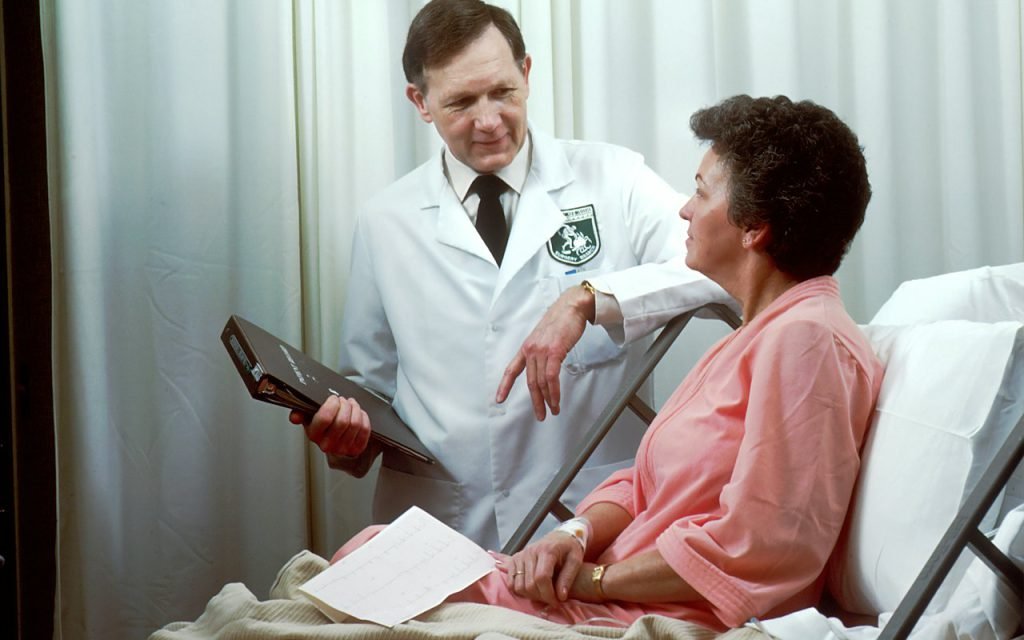
The people behind the care
The department opened with 14 pediatric emergency physicians, more than 60 nurses and four child-life specialists, whose job is to help children understand and cope with what is happening to them. Child-life specialists might use a doll to show a 5-year-old how an IV works, distract a toddler with bubbles during a shot or simply sit with a teenager who is anxious about test results.
Nurse manager Rebecca Thornton said many of the nurses transferred from other parts of the hospital and completed additional training in pediatric emergency care before the opening. Others were hired from children’s hospitals across the country.
Kids aren’t small adults. Their bodies respond differently, their medicine doses are different and the way they tell you they’re hurting is different. Our team is trained for all of that.
Rebecca Thornton, nurse manager
The department also has its own pharmacy station, stocked with medicines in child-friendly forms and doses, and a dedicated imaging room next door so children do not have to travel through the main hospital for X-rays or ultrasounds. Thornton said shortening that trip makes a bigger difference than people might think. “Every hallway you push a frightened child down is another chance for them to get more frightened,” she said.
Staff schedules were built so that at least one pediatric emergency physician is on site around the clock. During the busiest evening hours, when many families arrive after school and work, the unit will have three physicians and additional nurses on duty.
What parents should know
Hospital officials stressed that families should still call 911 for any life-threatening emergency. Ambulance crews will decide which hospital is best based on the child’s condition. For less urgent concerns, they encouraged parents to call their pediatrician first, since many offices offer after-hours advice lines.
As general guidance, the hospital suggests heading to an emergency department for problems such as trouble breathing, a seizure, a serious injury, signs of severe dehydration or a very young infant with a fever. Parents who are unsure should ask their child’s doctor or a nurse advice line. Officials said the unit also offers a few tips to make a visit smoother:
- Bring a list of your child’s medicines and any allergies.
- Pack a favorite blanket, stuffed animal or tablet with headphones.
- Bring a phone charger and a snack for yourself, since visits can take several hours.
- Ask staff to explain anything you do not understand. Questions are welcome.

The unit also keeps a supply of donated books, coloring sheets and small toys for siblings who come along on a family’s visit. Staff said brothers and sisters are often just as worried as the patient, and giving them something to do helps the whole family stay calmer during a long wait.
A community effort
The $68 million project was paid for through a combination of hospital funds, a state health facilities grant and a community fundraising campaign that raised more than $11 million. Local schools held bake sales and fun runs, a regional credit union sponsored the waiting room and a group of retired nurses knitted 500 small blankets for the unit’s first patients.
At Monday’s ribbon cutting, hospital president Gerald Whitman thanked donors and staff and introduced the family whose experience helped inspire the project. Five years ago, their infant daughter was transferred by helicopter to the distant children’s hospital in the middle of the night. She is now a healthy kindergartner, and she cut the ribbon herself, with some help from her father and a very large pair of scissors.
Key takeaway: The new 24-bed pediatric emergency department means most children in the region can get specialized emergency care close to home, with staff, equipment and spaces designed around kids.
Looking ahead
Grant said the department will track wait times, transfer rates and family feedback closely over its first year and will share results with the community. The hospital is also exploring a telehealth link with smaller rural hospitals in the region, so their emergency doctors can consult with pediatric specialists by video when a sick child arrives.
For now, the focus is on getting through the first weeks smoothly. By Monday evening, the waiting room had a few families, a stack of picture books on every table and a toddler asleep on her father’s shoulder. Grant said that was exactly the scene he had hoped for. “Calm,” he said. “That’s the goal. Calm is good medicine.”





Sharing this with my friends.
Saved this one for later. Really useful.