

Your digestive system hosts trillions of bacteria and other microbes — roughly as many as your own body’s cells. Together they weigh somewhere around a few pounds and include hundreds of different species, along with yeasts, viruses and other tiny organisms. Scientists call this crowded community the gut microbiome. Over the past two decades it has gone from an obscure research topic to a fixture of headlines, grocery labels and social media advice. Some of that attention is deserved. Some of it is running well ahead of the evidence.
A city inside you
Most of your gut microbes live in the large intestine, also called the colon, where food moves slowly and there is little oxygen. That environment suits bacteria that break down material your own body cannot handle. Your stomach, by contrast, is too acidic for most microbes, and the small intestine moves food along too quickly for large populations to settle.
No two people have exactly the same mix. Your microbiome began forming at birth and was shaped by how you were born, what you ate as a baby, where you grew up, the medicines you have taken and even the pets you live with. Identical twins do not have identical gut communities. Researchers sometimes compare a microbiome to a rainforest: a rich, layered ecosystem where many species depend on one another.


What they do
Gut microbes help digest fiber, make some vitamins and train the immune system. Those three jobs are the best understood, and each one is worth a closer look.
Breaking down fiber
Humans lack many of the enzymes needed to break down certain fibers found in beans, whole grains, fruits and vegetables. Gut bacteria have them. As they ferment that fiber, they release short-chain fatty acids, small molecules that help nourish the cells lining the colon and appear to play a role in many other processes in the body.
Making vitamins
Some gut bacteria produce vitamins, including vitamin K and several B vitamins. Diet remains the main source for most nutrients, but microbes contribute too.
Training the immune system
Your immune system has to learn which visitors are harmless and which are dangerous. Gut microbes are part of that education, especially in early life. A balanced community also helps crowd out harmful germs by taking up space and resources they would otherwise use.
The microbiome is real and fascinating — but be wary of anyone selling a miracle pill.
Dr. James Cole, physician and researcher
Early days
Many headlines run ahead of the science. Researchers are still working out cause and effect. Studies have linked differences in gut microbes to a long list of conditions, from digestive disorders to mood and weight. But a link is not the same as a cause.
Dr. James Cole, a physician and researcher, uses a simple example with his patients. “If people with a certain illness have a different microbiome, did the microbes help cause the illness? Did the illness change the microbes? Or did a third thing, like diet or medication, change both?” he said. “Those are very different situations, and early studies often can’t tell them apart.”
Much of the most striking research has been done in mice, which do not always behave like people. Human studies are often small and short. That is how science works at the start of a new field, and it is not a reason for cynicism. It is a reason for patience.
Larger, longer studies are now underway, following thousands of volunteers over years and tracking what they eat, how they live and how their gut communities change. Those projects take time, but they are exactly the kind of work needed to turn interesting links into reliable answers that doctors can actually use.
What about probiotics?
Probiotics are products containing live microbes, sold as supplements or added to foods. Some have shown benefits for specific, well-defined situations, and doctors may recommend them in those cases. But “probiotic” covers a huge range of products with different strains and doses, and supplements are not checked as strictly as prescription medicines. A product helping one condition does not mean it helps everything on the label. Dr. Cole’s advice is simple: ask your doctor before you start one, especially if you are pregnant, have a weakened immune system or take other medications.
What you can reasonably do
Despite the open questions, there is broad agreement on some everyday habits that support a healthy gut, and they happen to be good for you in other ways as well. These are general ideas, not medical advice for any particular person.
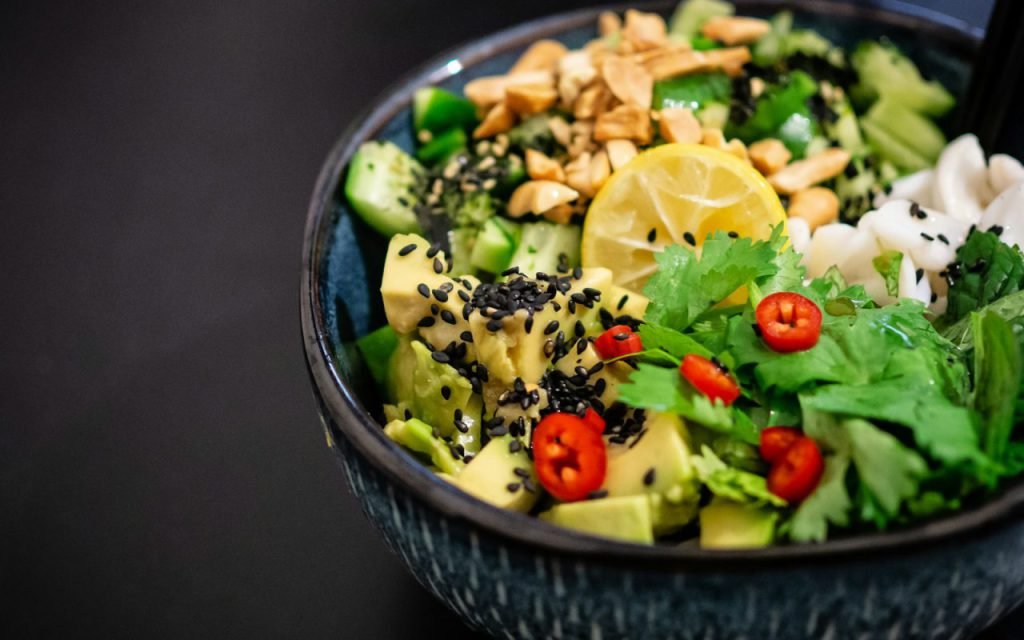
- Eat a variety of plants. Different fibers feed different microbes. Aim for a range of vegetables, fruits, beans, nuts, seeds and whole grains across the week.
- Add fiber gradually. A sudden jump can cause gas and bloating. Increase slowly and drink plenty of water.
- Try fermented foods if you enjoy them. Plain yogurt, kefir, sauerkraut and kimchi contain live cultures. They are a food, not a cure.
- Use antibiotics only when needed. They can be lifesaving, but they also affect helpful bacteria. Take them exactly as prescribed and never pressure a doctor for them.
- Look after the basics. Sleep, movement and managing stress all seem to matter for gut health, as they do for nearly everything else.
A sample day of eating for your microbes
None of this requires a special diet. Here is one simple example of how a regular day can include a wide range of plant foods without much fuss. Breakfast might be oatmeal topped with frozen berries, a spoonful of ground flaxseed and a handful of walnuts. Lunch could be a big salad with mixed greens, chickpeas, shredded carrots, sunflower seeds and a simple olive oil dressing, plus a piece of fruit. For an afternoon snack, try plain yogurt with sliced banana, or hummus with bell pepper strips.
Dinner might be a pot of black bean chili with onions, tomatoes, corn and peppers, served over brown rice, with a side of roasted broccoli. That one ordinary day includes more than fifteen different plants. Dr. Cole suggests people simply keep a rough count for a week and try to beat it the next week. “It turns healthy eating into a game instead of a chore,” he said. “And variety is one of the few microbiome tips most researchers agree on.”
If you have a digestive condition, a food allergy or special dietary needs, talk with a doctor or a registered dietitian before making big changes. What works well for one person’s gut may not suit another’s.
Key takeaway: your gut microbes are real partners in digestion and immunity, but the science of fixing them with products is young. Food variety beats flashy promises.
Quick facts
- A varied, fiber-rich diet feeds a varied microbiome
- Antibiotics can disrupt gut microbes for a while
- Talk to your doctor before taking supplements
It is a strange and wonderful thought that you are never truly alone, even inside your own body. Trillions of tiny partners are at work right now, breaking down last night’s dinner and quietly helping your immune system do its job. Science is only beginning to understand them. Until it knows more, the best thing you can do is feed them well, treat bold claims with healthy doubt and bring your questions to a doctor who knows you.












Sharing this with my friends.
Saved this one for later. Really useful.