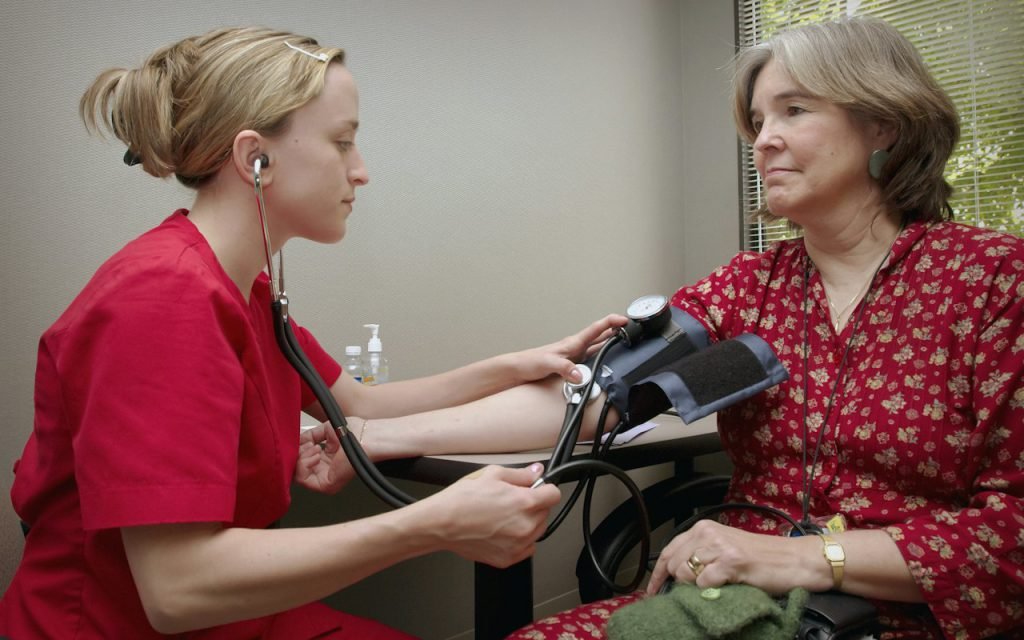

Starting this month, volunteer nurses will set up at six branch libraries every Saturday morning to offer free blood pressure checks. There is no appointment to book, no insurance card to show and no paperwork to fill out. A visitor simply pulls up a chair beside a small table near the library entrance, rolls up a sleeve and, about five minutes later, walks away knowing a number that many adults have not checked in years.
Organizers say many adults have not had a reading in years, and a library is a place people already visit. The program, run by a volunteer group of working and retired nurses in partnership with the city library system, is designed to make a basic health check as easy as returning a book.
How the program came together
The idea started at a community health fair last spring. A group of nurses who had volunteered to take blood pressure readings noticed that many of the people who stopped by said they had not had a check in a long time. Some had no regular doctor. Others had a doctor but found it hard to take time off work for an appointment. A few simply hadn’t thought about it.


The nurses began asking where those visitors spent their weekends. The library came up again and again. Parents brought children to story time. Job seekers used the computers. Older residents came to read the newspaper or attend a book club. The nurses approached the library system with a simple proposal: give us a table and a corner, and we will bring the rest.
We meet people where they already are. Today, that is the library.
Angela Moore, RN, program volunteer
Library staff agreed quickly. Branch managers said the program fits naturally alongside other services libraries already offer, from tax help to job workshops, and that it brings people through the door who might not otherwise visit.
Why it matters
High blood pressure often has no symptoms. A quick check is an easy first step to know your numbers. Many people feel perfectly fine even when their blood pressure is higher than it should be, which is why health organizations often describe it as a condition that can go unnoticed for years.
Over time, blood pressure that stays high can strain the heart, blood vessels, kidneys and other organs. The good news is that it is easy to measure, and once people know their numbers, they can talk with a health care provider about what, if anything, they should do next. For many, that conversation begins with simple steps like changes to diet, activity or sleep. For others, it may involve medication or further testing that only their own doctor can recommend.
What a reading involves
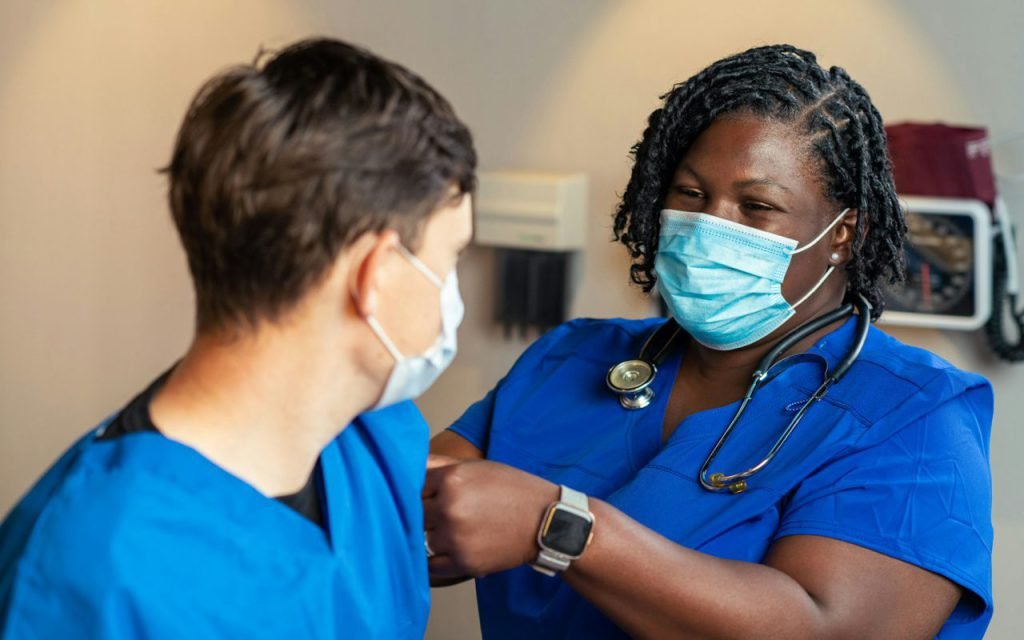
For anyone who has not had a check recently, the process is quick and comfortable. A volunteer nurse will:
- Ask you to sit quietly for a few minutes with your feet flat on the floor and your back supported.
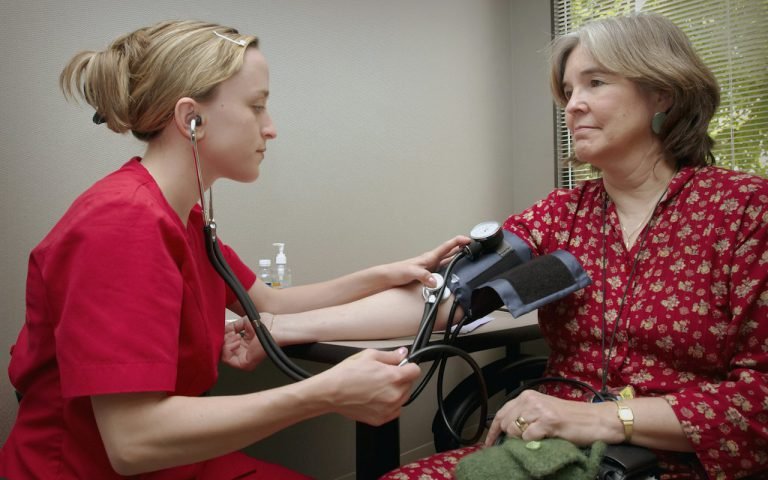
- Wrap a soft cuff around your upper arm, which tightens for a few seconds and then releases.
- Take a second reading after a short pause to make sure the result is consistent.
- Write your numbers on a printed card for you to keep.
- Answer general questions and explain what the numbers mean in plain language.
Nurses ask only for a first name, and visitors may skip even that. No information is stored or shared, organizers said.
What happens next
If a reading is high, nurses share a printed card with the result and a list of nearby clinics with sliding-scale fees. Sliding-scale clinics adjust what they charge based on a patient’s income, which can make follow-up care more affordable for people without insurance or with high deductibles.
Volunteers are careful to explain that a single high reading does not mean a person has a health condition. Blood pressure can rise temporarily because of stress, caffeine, a brisk walk to the library or even nervousness about being checked. That is why the nurses encourage visitors with high numbers to follow up with a health care provider who can take several readings over time and look at the full picture.

When to seek care right away
Nurses also share general safety information. Anyone who has a very high reading along with symptoms such as chest pain, severe headache, trouble breathing, weakness, vision changes or difficulty speaking should call 911 or seek emergency care immediately. Volunteers are trained to recognize these warning signs and will help visitors get urgent help if needed.
Tips for an accurate reading
Volunteers shared a few general tips for anyone planning to stop by. They suggest avoiding coffee, tea and other caffeinated drinks for about half an hour beforehand, as well as tobacco. Wearing a short-sleeved shirt or a top with loose sleeves makes it easier to place the cuff on bare skin. Visitors who have just walked up a hill or hurried in from the parking lot should take a few minutes to rest before the check, and anyone who needs to use the restroom should do so first, since a full bladder can slightly raise a reading.
Nurses also encourage visitors who already take blood pressure medication to keep taking it as prescribed and to share their printed card with their own doctor at their next visit.
Who is behind the table
The program’s volunteers include hospital nurses who give up a Saturday morning each month, school nurses on weekends off and several retired nurses who say they missed working directly with patients. Each volunteer holds a current nursing license and completes a short orientation on the program’s procedures, including how to share results clearly and kindly.
Organizers said they currently have enough volunteers to cover all six branches every Saturday, with a waiting list of nurses hoping to join. If interest continues, they hope to add more branches next year and possibly a weekday evening session for people who work on weekends.
Library branch managers said they would track how many visitors stop by and gather feedback through short, anonymous comment cards. The library system also plans to display free health information pamphlets near the nurses’ table, including materials on healthy eating, physical activity and finding a primary care provider.

The details
- Saturdays, 9 a.m. to noon
- Six branch libraries
- Free, no appointment
Visitors can check the library system’s website or call their local branch to confirm which locations are participating each week. Readings are first come, first served, and organizers said waits are usually short. Family members and friends are welcome to come together, and children are welcome to watch, though the program is intended for adults.
Key takeaway: a blood pressure check takes about five minutes, costs nothing and could be the first step toward a helpful conversation with your doctor.
Organizers say their goal is simple. They hope that someone who stops by the library to pick up a novel or print a resume will also leave with one more useful piece of information: their own numbers. For a few minutes on a Saturday morning, that is a small investment with a potentially meaningful return.
General health information, not medical advice. Talk with your own doctor about your health.