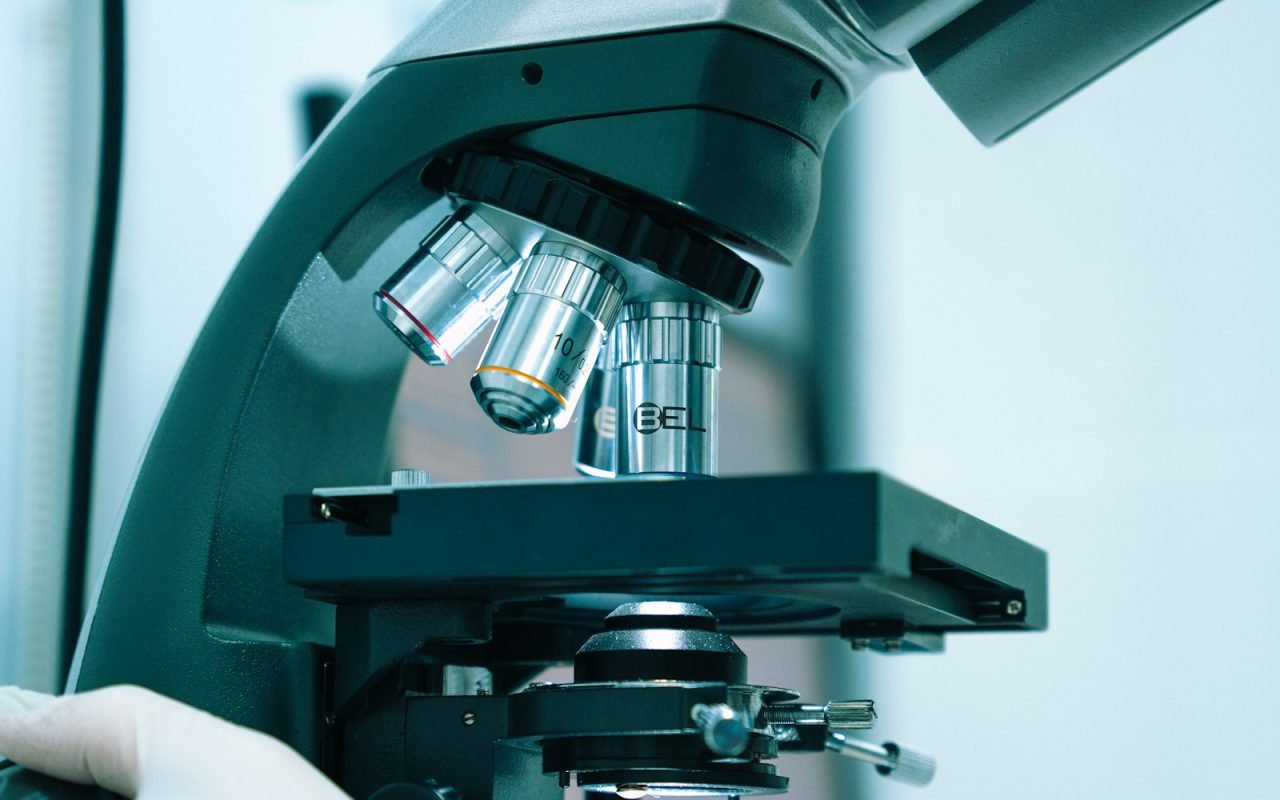

Antonie van Leeuwenhoek ground tiny, powerful lenses and became the first person to see and describe single-celled life. He was not a professor, a physician or a member of any learned society. He was a cloth merchant in the Dutch city of Delft in the 1600s, a man who began making lenses to check the quality of fabric and ended up opening a door into an entire hidden world. What he saw through those little glass beads changed biology, medicine and our sense of what it means to be alive.
A merchant with a hobby
Van Leeuwenhoek was born in Delft in 1632. As a young man he worked for a cloth seller, then set up his own shop. Merchants in his trade used magnifying glasses to count threads and inspect the weave of fabric. Somewhere along the way, van Leeuwenhoek became fascinated with the glass itself and began making his own lenses.
He also held a series of civic jobs in Delft, including roles connected to the city government. Those paid steady wages and left him time for his growing passion. Over the decades he made hundreds of lenses and simple microscopes, many of them with his own hands, and he guarded his techniques closely.


A different kind of microscope
Most microscopes of his era used two or more lenses stacked in a tube. They looked impressive, but the glass of the time was imperfect, and stacking lenses multiplied the blurring. Van Leeuwenhoek’s instruments were the opposite: one tiny, carefully shaped lens, often no bigger than a small seed, set between two small metal plates. The sample sat on a pin in front of the lens, and he held the whole device right up to his eye.
These instruments were awkward to use, but the results were remarkable. His microscopes had a single lens, and some magnified about 270 times, far better than the compound microscopes most of his contemporaries used. The quality of his lenses was so good that historians and scientists still debate exactly how he made them.
Many of his surviving letters include drawings, made by an illustrator he hired, showing exactly what he saw through each lens. Those sketches let readers in London compare their own observations with his, and some are still reproduced in biology textbooks today.
“Animalcules”
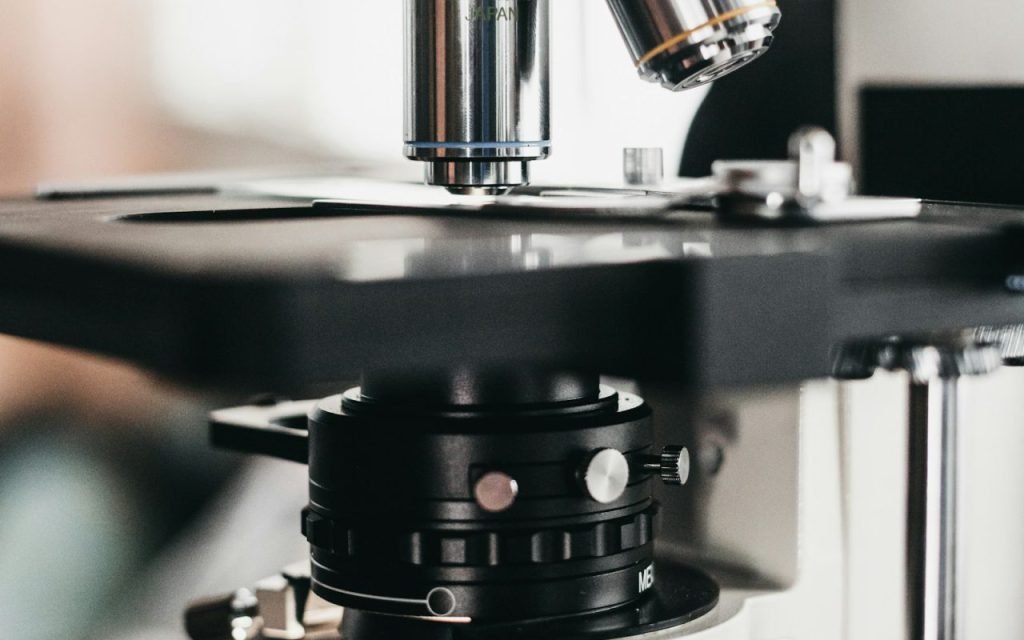
He described tiny moving creatures in pond water and in scrapings from his own teeth. In the 1670s, van Leeuwenhoek turned his lenses on a drop of water from a lake near Delft. To his astonishment, it was crowded with living things, darting, spinning and wriggling. He called them “animalcules,” meaning little animals.
He kept looking at everything he could get his hands on: rainwater, well water, pepper soaked in water, blood, insects, plant tissue. He was the first to describe red blood cells in detail. He studied the life cycles of tiny insects and showed that fleas and weevils hatched from eggs rather than appearing out of dust or grain, as many people still believed.
Most famously, he scraped the white material from between his own teeth, mixed it with water and found it teeming with even smaller creatures. Many of these were what we now call bacteria. He noted that the people whose teeth he examined who cleaned them regularly seemed to have fewer of the moving creatures, an early observation linking hygiene and microbes.
He had no university degree. He had curiosity and incredible patience.
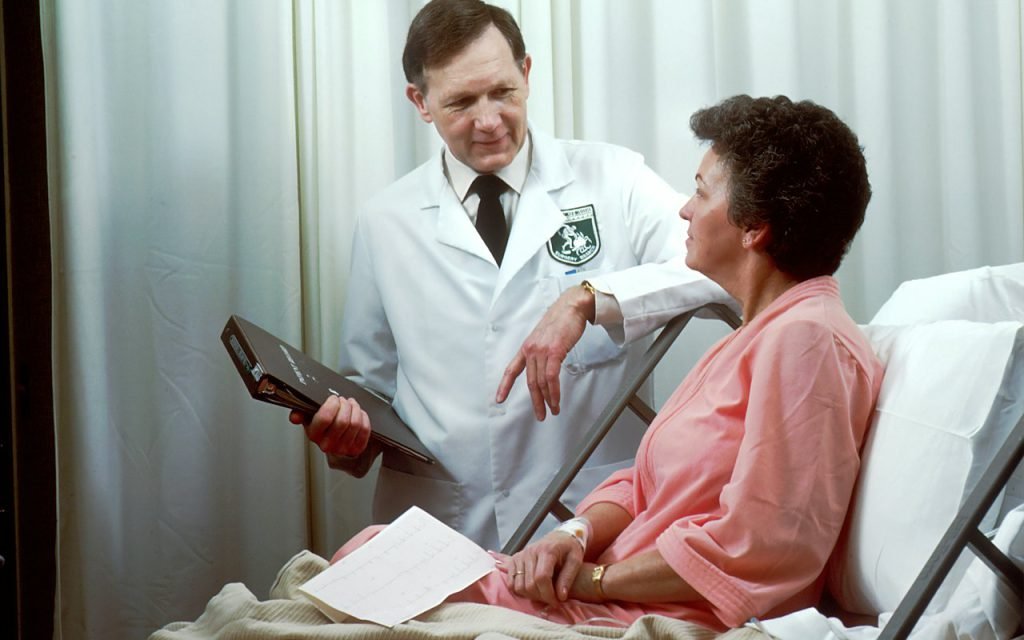
Dr. James Cole, physician and researcher
Dr. James Cole, a physician and researcher who teaches the history of medicine, says that is what students find most inspiring. “He didn’t have formal training or fancy equipment someone else built,” he said. “He made his own tools and spent years looking carefully and writing down exactly what he saw. That is the heart of science.”
A doubtful audience
The Royal Society in London was skeptical — until witnesses confirmed what he saw. Van Leeuwenhoek shared his findings in a long series of letters, written in Dutch, since he did not read or write Latin, the usual language of scholars. A friend introduced him to the Royal Society, which published translations of many of his letters.
His claim that a single drop of water held thousands of living creatures sounded incredible. Some members suspected exaggeration or error. Other researchers tried to repeat his work with their own microscopes and at first could not see what he described, partly because their instruments were not as good as his.
Eventually, the Society asked for confirmation. Van Leeuwenhoek gathered respected local witnesses, including a minister and a notary, who looked through his microscopes and signed statements that they had seen the tiny creatures for themselves. Later, a leading English scientist improved his own technique enough to see the animalcules too. The doubts gave way, and in 1680 van Leeuwenhoek was elected a member of the Royal Society, a great honor for a merchant without a university education.
What he got right, and what came later
Van Leeuwenhoek did not know that some microbes cause disease. That connection came nearly two centuries later, when scientists in the 1800s showed that specific germs cause specific illnesses and developed ways to prevent and treat them. But his observations laid the foundation. Once people knew a hidden world of tiny life existed, they could begin to ask what it did.
His legacy shows up in places he could never have imagined:
- Medicine: the study of disease-causing bacteria and the development of antibiotics.
- Public health: clean water treatment and hygiene practices.
- Food science: understanding fermentation, spoilage and food safety.
- Ecology: the recognition that microbes run many of Earth’s essential cycles.
- The microbiome: today’s research into the trillions of microbes living in and on our bodies.
He kept working well into old age, continuing to observe and write letters until shortly before his death in 1723 at the age of 90. In his will, he arranged for a cabinet of his microscopes to be sent to the Royal Society, a final gift to the group that had once doubted him.
His habits of mind
What made van Leeuwenhoek so effective was not just his lenses. It was the way he worked. He looked at the same kind of sample again and again, on different days and under different light. He compared what he saw with what he expected and noted when the two did not match. He described sizes by comparing them to familiar objects, such as a grain of sand or the eye of a louse, so readers could picture what he meant. And he was willing to say when he was unsure. Those habits, careful repetition, honest description and patience, are still what teachers try to build in young scientists today.
Key takeaway: a curious shopkeeper with homemade lenses opened up the microbial world, proving that careful observation can matter as much as credentials.
Quick facts
- His microscopes had a single lens
- Some magnified about 270 times
- He is often called the father of microbiology
The next time you wash your hands, take an antibiotic or eat a cup of yogurt, spare a thought for a cloth merchant in Delft, squinting through a lens the size of a seed. He showed the world that life comes in sizes far smaller than anyone had imagined, and he did it with little more than patience, skill and an endless desire to look a little closer.





Sharing this with my friends.
Saved this one for later. Really useful.